
Wood Burning Fireplace Inserts in South Africa
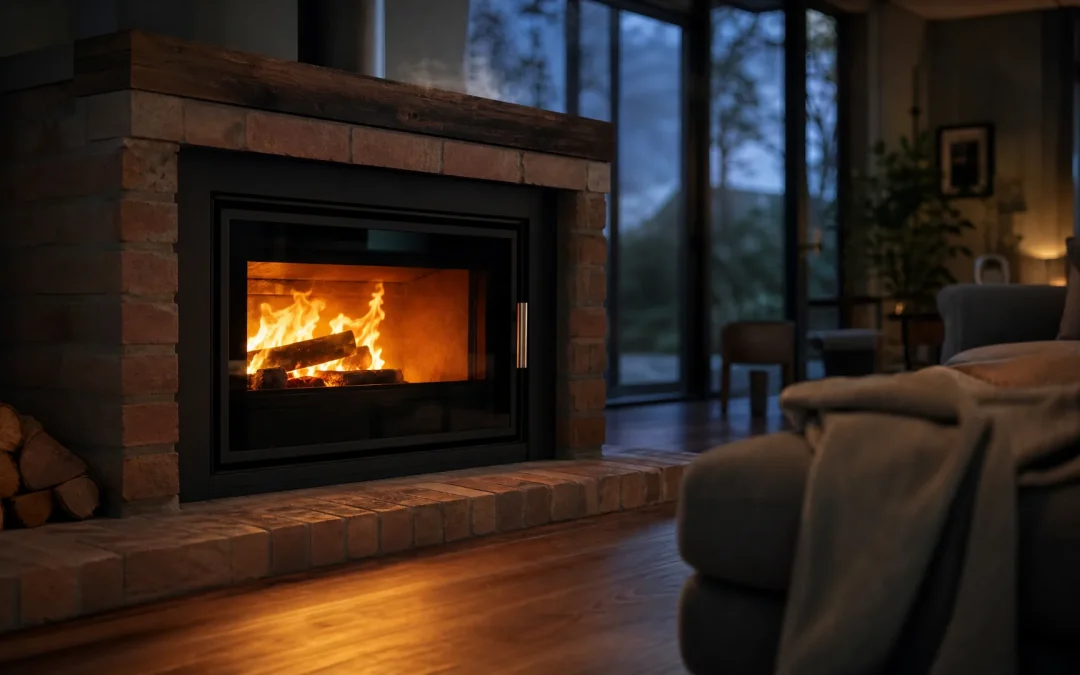
There’s a particular kind of cold that settles into a South African home in July. No plug-in heater seems to fix it, and it gets worse the moment load-shedding hits. That’s exactly what’s sending so many homeowners to their old, draughty open fireplace, asking whether a wood burning fireplace insert in South Africa is worth the investment. The short answer is yes, for most homes. The longer answer is what this guide is for.
What Is a Wood Burning Fireplace Insert (and Why SA Homes Are Switching)
A wood burning fireplace insert is a closed combustion firebox. It fits into or in front of an existing fireplace opening. Instead of an open flame exposed to the room, the fire burns inside a sealed steel or cast-iron chamber, behind glass, with controlled air intake.
That control is the whole point. A closed system burns wood slower and hotter. It pushes far more of that heat into the room instead of losing it up the chimney.
South African homeowners are switching for two very practical reasons. Load-shedding has made electric heating unreliable exactly when you need it most. And rising electricity costs have made an efficient wood-burning setup look a lot more sensible than it did a decade ago.
Fireplace Insert vs Open Fireplace: The Real Difference
An open fireplace looks lovely, but it’s inefficient. It typically loses most of its heat straight up the chimney. A well-installed slow combustion insert, by contrast, is built to send far more of that heat back into the room. You also lose a lot of warm air up the flue even when the fire’s not burning, thanks to the constant draught an open chimney creates.
A fireplace insert changes that equation. The glass door stops the draught. The steel or cast-iron body radiates heat long after the flames die down. And the controlled airflow means you’re not feeding the fire nearly as much wood to get the same result. For anyone comparing a fireplace insert vs open fireplace on pure heating performance, the insert wins comfortably.
Wood Insert for Existing Fireplace: Retrofitting vs New Build
Most enquiries we get are from homeowners with an existing fireplace that’s underperforming. The good news: fitting a wood insert into an existing fireplace is very often possible. But it needs a proper assessment first, not a guess based on measurements alone.
Retrofitting a Fireplace With an Insert
Retrofitting starts with checking what you’ve already got. A surveyor will look at the condition of your flue, whether it needs a stainless steel liner, the size and depth of your existing hearth, and whether the opening can fit the insert you have in mind.
Take a homeowner retrofitting a 1980s open-plan lounge fireplace with an insert. They can often cut wood consumption dramatically while keeping the room noticeably warmer through load-shedding evenings. That’s the outcome most retrofit customers are chasing, and it’s realistic for most older SA homes, as long as the flue is sound or can be lined properly.
Not every opening is a straightforward fit. Some older chimneys are undersized, oddly shaped, or shared with another room’s flue. That’s why the survey step matters more than the shopping step.
Insert Options for a New Build Lounge
If you’re building or renovating from scratch, you have more freedom. You can choose your insert first, then size the hearth, chimney, and surround around it. This is the easier path. It avoids the compromises that come with fitting a modern unit into a decades-old opening. Anyone weighing up an insert against other options at this early stage might also want to compare the best indoor fireplace options for SA homes before finalising the design.
Choosing the Right Fireplace Insert Size and Heat Output
Getting the size right is the single biggest factor in whether you’ll love your insert or regret it. Too small, and you’ll be feeding wood constantly without getting warm. Too big, and you’ll be opening windows in July.
Fireplace Insert Sizes South Africa: Matching Room to Unit
Fireplace insert sizes in South Africa are usually chosen around room volume, not just floor area. A double-volume open-plan lounge needs considerably more output than a small, well-insulated study.
Installers generally recommend matching insert size to room volume rather than the size of the existing fireplace opening. An oversized unit can overheat a small lounge and waste wood. Ceiling height, wall insulation, and how open your lounge is to the rest of the house all shift the calculation. This is a case where a quick conversation with someone who fits inserts regularly saves you from an expensive mismatch.
Understanding Heat Output and Wood Burning Insert Efficiency
Heat output ratings tell you the maximum kilowatts an insert can produce. Wood burning insert efficiency is really about how much of that heat actually reaches your room instead of vanishing up the flue. A more efficient insert means fewer trips outside to refill the wood basket, and steadier heat through a long SA winter evening, rather than a hot burst that fades an hour later.
This is worth understanding properly before you buy. Two inserts with similar sale prices can perform very differently once they’re actually burning. For more detail on what drives that performance, it helps to look at how fireplace heating efficiency works in SA’s climate.
Installation, Regulations and What to Expect
A fireplace insert is not a DIY weekend job, and it shouldn’t be treated like one. Getting the installation right protects both your home and the performance you’re paying for.
Fireplace Insert Installation SA: The Process Step by Step
Fireplace insert installation in SA generally follows the same core steps. First, a site survey checks the flue, hearth, and clearances. Next comes any flue liner work needed to bring an old chimney up to standard. Then installers fit, seal, and connect the insert itself, followed by ventilation checks and a test burn.
Timelines vary depending on whether the flue needs relining or the hearth needs rebuilding, but most straightforward retrofits finish well within a week. For a broader look at what the process involves beyond inserts specifically, the full guide to installing a fireplace at home is a useful companion read.
Local Regulations and Wood Types Worth Knowing
Compliant installation in South Africa means paying attention to clearances, hearth dimensions, and flue standards. All of that is covered in detail in the SANS 10400 fireplace safety requirements. Proper ventilation also matters more than most homeowners expect, since a closed combustion insert still needs a reliable air supply to burn cleanly. The fireplace ventilation options for SA homes cover this in more depth.
On the wood side, well-seasoned hardwoods like bluegum, kameeldoring, and rooikrans burn longer and cleaner in a slow combustion fireplace insert than softer, resinous woods. Softer woods tend to burn fast and clog the flue with creosote. If you’re still deciding what to burn once your insert is in, a guide to the best wood types for burning is a handy reference, even though it’s written with braai fires in mind. The principles of good, dry, dense wood carry over directly.
Best Fireplace Inserts SA: Brands, Cost and What to Look For
Not all inserts are built the same. The South African market has its share of unbranded imports that look the part in a showroom but fall short once they’re actually installed and burning daily through winter.
Wood Fireplace Insert Brands SA Homeowners Trust
Firehouse’s team hand-picks every fireplace insert in the range, testing fit and finish before offering it to South African homeowners. That matters, because an insert is a long-term fixture in your home, not a seasonal purchase.
Firehouse works with trusted, established brands rather than unknown imports, so SA customers get inserts with parts and support actually available locally. When something eventually needs a replacement seal or a spare part years down the line, that local support is the difference between a quick fix and a frustrating search.
Fireplace Insert Cost South Africa: What Drives the Price
Fireplace insert cost in South Africa isn’t just the price tag on the unit itself. The total spend usually breaks down into three parts: the insert, the installation labour, and any flue or hearth work needed to make the opening compliant and safe.
An older home with a compromised flue will cost more to convert than a newer home with a sound chimney already in place, simply because of the extra lining work involved. Get a proper site survey before comparing prices. Two quotes that look very different often reflect very different scopes of work.
Your Cosy Fireplace Upgrade: Getting Expert Help
Choosing and fitting an insert fireplace for your lounge shouldn’t feel like a gamble. The right size, the right brand, and a proper installation turn a cold, draughty room into the warm centre of your home through winter.
If you’re still weighing up fuel types before committing, it’s worth a look at a wood burning vs electric fireplace comparison to be sure a slow combustion insert is the right fit for your household. And once you’re picturing the finished room, there’s plenty of inspiration in these cosy fireplace room design ideas.
Firehouse’s team is happy to walk you through sizing, brand options, and what installation will involve for your specific home. Reach out for a consultation, and let’s get your cosy fireplace upgrade in South Africa sorted before the next cold snap.