
Cost of a Built-In Fireplace in South Africa: Real Budget
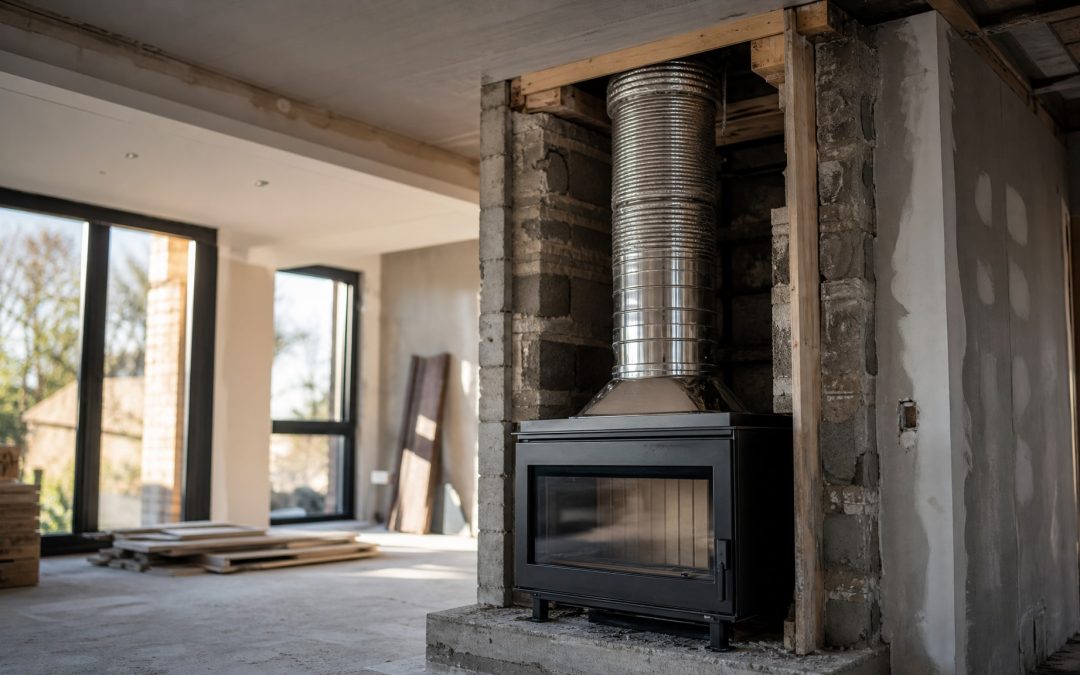
Planning a built-in fireplace means more than picking a unit you like and hoping it fits your budget. Built-in fireplace cost in South Africa varies a lot, because the final price depends on installation complexity, flue requirements, and the finishing materials your home needs. You need a realistic figure that covers everything from the firebox to the final plaster work, not just a sticker price that leaves you short halfway through the project.
This guide breaks down where your money actually goes when you install a closed combustion system. We focus on real-world pricing for quality units and the professional labour it takes to install them safely, so you can tell genuine value from false economy.
Understanding Built-In Fireplace Installation Cost Components
The total spend on a built-in system comes down to four things: the fireplace unit itself, the certified flue system, professional installation labour, and finishing materials. Many homeowners look only at the unit price. The surrounding infrastructure often makes up nearly half the final bill, because safe operation depends entirely on how well the unit integrates with your building structure.
There’s no fixed retail number for built-in fireplace installation. Every home has its own structural quirks, and those quirks dictate material quantities and labour hours. Your roof pitch, wall thickness, and ceiling height all decide how much double-wall insulated pipe you need, and that flue component isn’t optional. It’s what keeps the installation safe and your warranty valid.
Professional fitting is mandatory here, not a nice-to-have. Manufacturer warranties typically require certified installation to stay valid, and insurers will want proof of compliance if you ever need to claim. Cut corners and you risk voiding cover on both the unit and your home insurance.
Finishing costs add up quickly too. Building a chase, installing a hearth, and applying heat-resistant cladding or plaster are separate line items that turn a bare metal box into a finished architectural feature. These vary a great deal depending on whether you’re renovating an existing cavity or building a new breast from scratch.
Budgeting for Closed Combustion Wood Fireplaces
Closed combustion is the premium tier of wood heating, because these units burn cleaner and more efficiently than an open fire. When you budget for this category, you’re paying for airflow engineering that pulls maximum heat from less wood, while keeping your living space free of smoke and ash.
The Dovre Tai55 WD is a good example of what sits at the higher end of the built-in market: cast iron construction, a weight of 160 kg, and up to 13kW of output. Those specs reflect serious material quality and thermal performance.
Models such as the Bronpi Boreal E1000S sit around ZAR 42,900 and come with fan-assisted convection as standard. The integrated fan pushes warm air into the room rather than relying only on radiant heat, which speeds up response time and improves heating for spaces up to 325 cubic metres.
Factor in the accessories too. Higher-end units often bundle in convection boxes, trim plates, and riddling grates as part of the base price. The Dovre 2100S, which retails around ZAR 41,780, is one example. Buy those parts separately and they get expensive fast, so check exactly what hardware comes in the box before you compare quotes.
Entry-Level vs Premium Built-In Fireplace Price Points
The market offers genuine options across different price brackets without forcing you to sacrifice safety standards. Understanding this spread helps you put your money where your actual heating needs are, rather than chasing specifications you’ll never use.
The Henley Elmwood is a good example of an Eco Design Ready convection heater that balances modern emissions standards with an accessible price for new builds. At around ZAR 23,995, this 6.5kW unit gives you compliant, efficient heating for smaller rooms or well-insulated modern homes where you don’t need massive output.
Higher-output units cost more because they need larger fireboxes and heavier construction. The Bellido Llama Crystal 100 costs around ZAR 49,400 and delivers 12-14kW, which suits large open-plan living areas that smaller units simply can’t warm. It includes a four-sided trim plate and a Blackeram ceramic interior lining, and those features are part of why it costs more.
A lower price doesn’t mean lower safety or build quality within reputable ranges. It usually just means lower kilowatt output and a simpler finish, suited to specific rooms. If you only need to heat a cosy reading nook or a standard bedroom, spending extra on a 14kW unit wastes money and risks overheating the space.
Want fuel flexibility without the price tag of a top-tier wood unit? The Henley Sherwood multifuel option is worth a look. It’s also worth comparing these tiers against freestanding fireplace pricing to see whether a built-in actually suits your renovation.
Gas vs Wood Fireplace Cost Considerations
Choosing between gas and wood changes your whole budget structure, not just the unit price. Gas installations need certified gas practitioners, copper piping runs, and pressure testing, and all of that adds labour and material cost to the timeline.
Wood-burning setups skip the gas certification fees, but they demand robust flue systems and clearances that gas units sometimes avoid. Gas gives you instant convenience and thermostat control, but the upfront plumbing can eat into any savings you expected from a cheaper unit price.
Looks often matter more than the spreadsheet here. Wood-burning built-ins like the Northern Flame Kenna 65 give you a visual authenticity and a ritual that gas can’t match, and that sways a lot of buyers despite the extra effort of feeding a fire. The Kenna 65 has a large Schott Robax glass window with an opaque black border, which gives it the designer look plenty of homeowners want over push-button convenience.
Think about fuel availability in your own suburb too. Load shedding doesn’t touch wood supply, while gas can leave you exposed during supply disruptions or price spikes. Your long-term running costs matter as much as the installation quote when you’re weighing up fuel types.
Hidden Costs in Fireplace Renovation Projects
Renovating an existing space for a built-in fireplace often turns up costs you never saw coming while browsing. Structural changes for flue routing through multi-storey roofs or reinforced walls can double your preparation budget before installation even starts.
Older South African homes often need real remedial work before a modern closed combustion unit can go in safely. Asbestos removal, roof truss reinforcement, and damp-proofing around new penetrations are common surprises, and no generic online estimator captures them.
Hearth construction gets overlooked a lot too. Building regulations call for non-combustible floor protection extending a set distance from the firebox, and retrofitting that into an existing wooden floor means carpentry and tiling work that falls outside the fireplace installer’s scope.
Flue routing through existing structures takes precise cutting and sealing, and that takes time. A route through multiple ceiling cavities or an external wall chase adds hours compared to a straightforward vertical run. Assume your renovation contingency should cover at least one major structural adjustment, unless a site visit has already confirmed clear access.
Getting the flue sizing and clearances right against manufacturer specifications isn’t something you can eyeball, and that’s why a professional assessment matters before installation. Guess these dimensions from photos and you risk a failed inspection, or worse, dangerous heat transfer to combustible materials hidden inside your walls.
Getting an Accurate Fireplace Installation Quote in South Africa
Online price guides give you a useful ballpark, but they can’t replace a physical look at your property. A site visit means your quote reflects the real flue length, the actual structural conditions, and real access constraints, instead of optimistic assumptions that fall apart mid-project.
A proper fireplace installation quote in South Africa factors in local building regulations and SANS safety standards on every line. It should include certified flue components, approved insulation materials, and labour rates that reflect skilled tradespeople, not general handymen learning on your job.
We curate our built-in fireplace range from hands-on industry experience, and we only stock brands that meet strict performance and reliability standards for South African homes. That means our quotes reference products we’ve personally installed and serviced, not catalogue items we hope will work in theory.
Bring your floor plans and any existing cavity measurements to your consultation. It speeds things up: we can give you faster preliminary guidance, though we still verify everything on-site before we commit to final numbers.
Accurate quoting protects you from variation orders later. Once an installer has physically inspected your roof space and measured the exact drop, the price should hold, barring any structural surprises found during demolition.
Planning Your Indoor Fireplace Budget for 2026
Set aside money for both the unit and professional installation, because that’s what prevents dangerous compromises down the line. Splitting your budget roughly evenly between product and fitment is a sensible starting point for most built-in projects. It stops you buying a premium fireplace and then skimping on the flue system that keeps it safe.
Talk to someone early so your product choice matches a realistic budget for 2026. Material costs and import duties shift through the year, and locking in pricing early protects you from mid-project price jumps.
Choosing the right fireplace before you request quotes saves everyone time and gets you a more accurate estimate. Know your room volume, your insulation levels, and what you want it to look like, and we can recommend the right models instead of cycling through ones that don’t fit.
If your existing open fireplace cavity is structurally sound, it’s worth looking at wood burning fireplace inserts too. Converting rather than rebuilding can keep your original masonry in place while improving efficiency, and that can cut your overall renovation spend.
Whether you want a statement piece for entertaining or a reliable heat source for winter evenings, plan with honest numbers, and the fire you install will bring warmth without the financial stress.