
Best Gas Fireplace Brands South Africa: Top Picks for Homes
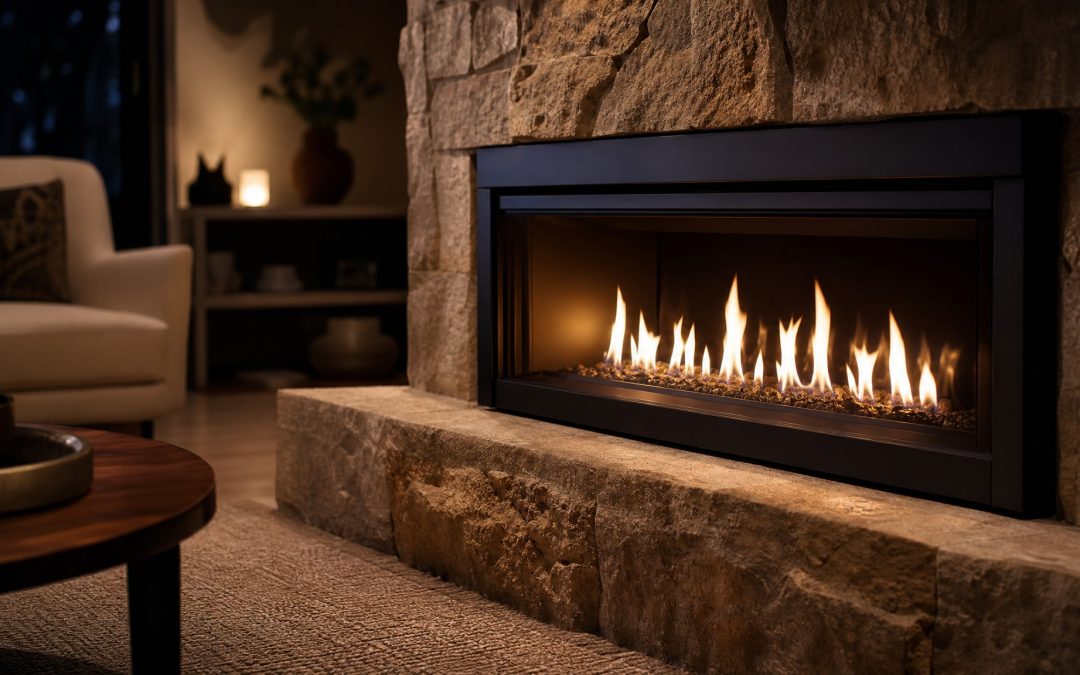
Finding the best gas fireplace brands South Africa has to offer means looking past glossy brochures and focusing on how a unit actually performs in our environment. You need a fire that handles local gas pressure fluctuations, survives load-shedding without failing, and gets proper technical support when something eventually wears out. The difference between a premium investment and a frustrating expense usually comes down to one thing: whether the manufacturer actually built for the South African market, or just sells into it.
We’ve spent years testing units in real homes rather than showroom floors, learning which brands deliver consistent heat and which ones struggle after their first winter. This comparison draws directly from that hands-on experience.
Why Brand Choice Matters for SA Gas Fireplaces
Choosing a quality gas fireplace South Africa homeowners can trust means checking that the unit was engineered for our infrastructure, not adapted from a European catalogue. Specialist retailers point out that reputable brands build specifically for South African gas pressure variations and altitude, unlike generic imports designed for European markets. A fireplace calibrated for sea-level natural gas in Amsterdam often runs rich or soots up when connected to LPG at Highveld altitude, creating safety hazards and voiding warranties that were never valid here to begin with.
Your warranty is only as good as the network standing behind it when a thermocouple fails on a cold July evening.
Top-tier manufacturers keep local warehousing and trained technicians on the ground, because downtime in winter isn’t acceptable to their customers. Entry-level brands might offer an attractive upfront price, but they often lack the service infrastructure needed to keep the unit running safely over its lifespan. Compare warranty terms across the market and you’ll notice premium brands back their heat exchangers and burners for longer, because they use materials rated for continuous local use.
That durability shapes your total cost of ownership once you factor in gas consumption and maintenance over a decade. Premium gas fireplaces typically reach thermal efficiency above 85%, well ahead of open wood fires, which often run below 30%. That efficiency gap means a superior brand burns less fuel for the same comfortable temperature, offsetting its higher initial price through lower monthly running costs and fewer service call-outs.
Professional installation is non-negotiable for keeping these warranties intact and staying compliant with South African safety standards. Even the finest unit becomes a liability if installed incorrectly, which is why leading brands require certified installers to validate coverage. Before you evaluate specific models, our complete guide to gas fireplaces walks through the foundational differences between balanced flue, direct vent, and room-sealed systems.
Top Gas Fireplace Brands Compared
The best fireplace brand for SA homes balances design with the heat output our open-plan living spaces actually need. Firehouse curates its range based on hands-on testing and long-term client feedback, and we stock only brands that prove reliable in local conditions. We focus on manufacturers who treat South Africa as a primary market, not an afterthought, with designs that suit both modern renovations and traditional Cape Dutch architecture.
You deserve a fireplace that looks intentional in your home rather than like an appliance bolted onto a wall.
Leading brands set themselves apart with burner technology that creates a realistic flame picture while keeping thermal output high. The best gas fireplace brands South Africa offers pair that visual appeal with practical engineering, like ceramic glass that keeps radiating heat even when the fan is off during power outages. That passive heat radiation matters for load-shedding resilience, since the unit keeps warming your room safely without relying on electricity.
Dual-fuel flexibility is another hallmark of the top-tier brands you’ll find through specialist retailers. These units let you switch between natural gas and LPG depending on your property’s connection, future-proofing you in a way cheaper single-fuel models can’t. Once you’ve worked out your spatial requirements, our guide on choosing the right fireplace fit helps you settle on the correct kW output for your room’s volume.
Build quality varies a lot even among well-known names, so we favor brands using heavy-gauge steel and sealed combustion chambers over those relying on thin cladding. This construction standard stops heat damage to surrounding cabinetry and keeps the unit quiet, without the metal expansion noises thinner units make. If you’re weighing alternatives to a built-in unit, our breakdown of freestanding fireplace costs gives useful context on installation complexity and heating coverage across different form factors.
A quality gas fireplace South Africa residents recommend year after year earns that reputation through consistent performance, not marketing spend. We stock these particular brands because they’ve proven themselves in thousands of local installations, not because they carry the highest margin. If you’re unsure whether built-in or freestanding suits your lifestyle better, think about how each integrates with your existing ventilation and hearth space before deciding.
Jetmaster vs Other Gas Fireplaces: Key Differences
Jetmaster holds a distinct position in the local market, thanks to its decades-long presence and manufacturing footprint here in South Africa. Any gas fireplace comparison ends up including this brand, because its dealer network and parts availability set the benchmark for after-sales support nationwide. Jetmaster has built an extensive dealer network across South Africa, so parts and technical support stay accessible years after purchase, which is peace of mind newer entrants simply can’t match yet.
Other premium brands often compete on more contemporary aesthetics or specialized burner technology, a step away from Jetmaster’s more traditional designs. Jetmaster wins on reliability and service accessibility, while some European-engineered brands offer sleeker linear profiles and more advanced remote functionality for modern architectural tastes. The trade-off can be a smaller service footprint or longer lead times for specialized parts, so you’re weighing visual preference against long-term servicing convenience.
Our guide to Jetmaster pricing and budgeting gives you a solid baseline for judging value across the category. Similarly specced units from other top brands often sit in comparable price brackets, though promotions and exchange rate swings can open temporary gaps. The deciding factor usually comes down to which brand’s design language suits your home, and whose local support covers your area best.
Installation expertise varies between brands, and Jetmaster’s long history means more technicians have hands-on experience troubleshooting its systems specifically. Going through an authorized Jetmaster dealer makes sure your installation meets warranty requirements and safety standards, whichever brand you land on. Other reputable brands run similar certification programs, but for complex retrofitting, the deeper institutional knowledge tends to sit with the established players.
No single brand wins every category. The right choice depends on your home’s heating needs and your own taste. Some homes suit Jetmaster’s proven convection heating and service network best, while others call for the precise radiant output and minimalist styling of a specialized European import. Reach out to our team for a personal recommendation, because a brochure can’t account for your ceiling height, your insulation, or how you actually live in your space.