
Electric Fireplace Vs Wood Burning Fireplace: SA Guide
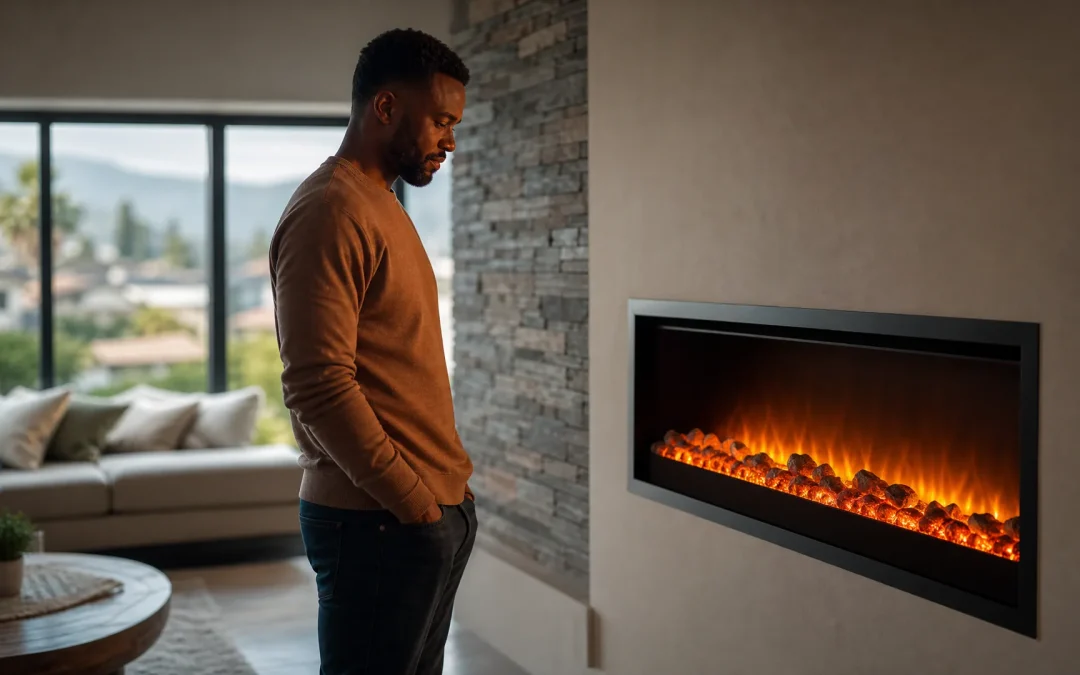
Choosing between an electric fireplace vs wood burning fireplace is one of those decisions that feels simple on the surface, until you’re actually standing in your living room, measuring the wall, and wondering whether the load-shedding schedule will ruin the ambience on the one night you actually want a cosy fire. For South African homeowners in 2026, this choice carries more weight than it does almost anywhere else in the world. It deserves a straight, honest answer.
The Big Question Every South African Homeowner Faces
You want a fireplace that delivers warmth, creates atmosphere, and fits your home and lifestyle. That’s the dream. But layered on top of it are very real SA-specific questions: How often is the power out in your area? Do you have access to dry hardwood? Does your home have a chimney, or is one feasible to install? Is this a rental property?
Both electric and wood burning fireplaces can give you that cosy living room you’re after. They just get there differently, and the wrong choice means ongoing frustration rather than genuine enjoyment. So let’s look at both options honestly, starting with the modern one.
Electric Fireplace Advantages: Modern Convenience Meets SA Reality
Electric fireplaces have come a long way. The best models in 2026 don’t just produce heat, they create a flame effect that’s genuinely convincing. Premium brands like Dimplex have refined their flame-effect technology to the point where a current model is visually difficult to distinguish from a real fire at a glance. Ezyfires units, popular in the SA market, offer similar realism with strong local support. These are no longer the orange-glow heaters of fifteen years ago.
The core electric fireplace advantages are straightforward:
- No flue or chimney required. You do not need a flue for an electric fireplace. That single fact opens up installation to apartments, newer double-storey homes, and any room where running a flue isn’t practical or affordable.
- Precise heat control. Most units let you run the flame effect independently of the heater, so you get ambience in summer without warming the room.
- Clean operation. No ash, no soot, no smoke. Switch it off and walk away.
- Lower ongoing maintenance. No annual chimney sweep, no ash removal, no sourcing of firewood.
For a full picture of how different fireplace types perform thermally, the guide to fireplace heating efficiency in the SA climate goes deeper on the numbers.
How Electric Fireplaces Handle Load-Shedding
This is the question most South African buyers ask first, and rightly so. An electric fireplace draws from the grid, which means a stage 4 or 6 load-shedding slot could leave you fireless on a cold winter evening.
The practical solution is pairing your electric fireplace with a home inverter or UPS system. Most units draw a manageable load, typically 1.5 kW to 2 kW on the heater setting, which a mid-range inverter setup handles comfortably. Run the flame effect only (no heat element) and the draw drops significantly, making it even easier to carry on a battery system. Done right, your electric fireplace runs through a load-shedding slot without you noticing the difference.
A wood burning fireplace runs entirely off-grid by nature. That’s a genuine advantage if your area faces extended or unpredictable outages and you don’t want to invest in backup power.
Installation, Safety, and Rental-Friendly Flexibility
Electric fireplaces can be wall-mounted, built into a surround, or placed freestanding, and most can be uninstalled and taken with you if you move. That makes them ideal for rental properties, sectional title apartments, and anyone who isn’t ready to commit to a permanent structural installation.
Safety is another strong point. There’s no open flame, no carbon monoxide risk, and no hot glass panels that reach dangerous temperatures. For households with young children or pets, that matters.
Wood Fireplace Benefits: The Ritual, the Warmth, the Authenticity
There’s something an electric fireplace cannot fully replicate, and most wood fire enthusiasts will tell you exactly what it is: the ritual. The crackle of dry hardwood catching, the scent of woodsmoke drifting through the house, the act of building and tending a fire. For a certain type of South African homeowner, especially one who already braais on wood every weekend, a wood burning fireplace isn’t just heating. It’s an experience.
Radiant Heat and the Real-Flame Experience
Wood fires produce radiant heat, which works differently from the convection heat an electric fireplace delivers. Radiant heat warms surfaces and people directly rather than just heating the air in the room. In a large, open-plan Johannesburg lounge, the kind where heat seems to disappear into the ceiling, a well-sized wood burning fireplace can heat the space in a way that would require multiple electric panel heaters to match.
If raw, room-filling warmth is your priority and you have the space for a proper installation, wood is hard to beat on pure heating performance. Understanding what a wood fireplace installation actually involves will help you plan realistically before you commit.
Costs and Maintenance You Should Plan For
The wood fireplace benefits come with genuine responsibilities. Before you choose this route, budget for:
- Chimney sweeping. A wood burning fireplace needs its flue inspected and swept at least once a year, more if you use it heavily. Creosote buildup is a fire risk, not an optional concern.
- Ash removal. Regular use means regular ash disposal. It’s a minor chore, but it’s a consistent one.
- Sourcing dry hardwood. Green or wet wood burns poorly, produces excess smoke, and accelerates creosote buildup. Sourcing quality, seasoned hardwood in your area requires planning, and in some parts of SA it adds meaningful cost.
- Flue installation. If your home doesn’t already have a chimney, installing one is a significant structural and financial commitment.
For practical tips on ongoing upkeep, the guide on keeping your fireplace or braai in top condition covers the routine in detail.
Fireplace Type Comparison: Side-by-Side at a Glance
Here’s where the two options sit across the dimensions that matter most for a South African buyer:
| Factor | Electric Fireplace | Wood Burning Fireplace |
|---|---|---|
| Running cost | Dependent on electricity tariff and usage; inverter pairing adds upfront cost | Dependent on local wood prices and usage frequency; can be competitive |
| Installation complexity | Low, no flue needed, often plug-and-play or simple wall mount | High, requires a flue, hearth, and often structural work |
| Heat output | Strong convection heat; excellent for insulated or smaller rooms | Powerful radiant heat; better for large or open-plan spaces |
| Maintenance demand | Very low, no ash, no sweeping | Moderate to high, annual sweep, ash removal, wood sourcing |
| Load-shedding resilience | Requires inverter/UPS pairing to maintain function | Fully independent of the grid |
The question we hear most at Firehouse is “which is cheaper to run?”, and the honest answer is that it depends heavily on local wood prices, your municipality’s electricity tariff, and how often you actually use it. Neither type wins universally. The right one is the one that fits your lifestyle.
Which Fireplace Suits Your South African Home?
A useful way to approach this is to match the choice to your situation. Three common scenarios:
The Cape Town apartment dweller. You’re in a sectional title unit, no chimney, and the body corporate won’t approve structural changes. An electric fireplace, wall-mounted or set into a media unit, is the clear answer. Pair it with a small inverter for load-shedding peace of mind, and you have warmth and ambience without any structural drama.
The family in a large Johannesburg suburb home. You have an open-plan lounge that eats heat, a garden big enough to store firewood, and you’re planning to be in this house for many years. A wood burning fireplace makes sense, the radiant heat suits the space, and the investment in a proper flue and hearth is worth it for the long term. Budget for the maintenance reality and enjoy it.
The braai-lifestyle homeowner who loves fire. If you’re the person who lights the braai from scratch every Saturday and enjoys the whole process, a wood burning fireplace is a natural extension of that. The ritual is part of the value. Well-designed wood burners in 2026 are as much a design feature as a heat source.
If you’re still weighing up which specific model suits your home once you’ve made the type decision, the guide to the best indoor fireplace for South African homes is a practical next step.
Getting the Decision Right: Firehouse Can Help
This is exactly the kind of decision that benefits from talking to someone who actually knows the products, not just the spec sheets, but how different fireplaces perform in real South African homes, in real SA winters, with real load-shedding schedules.
At Firehouse, every fireplace in the range has been hand-picked by people who have spent years around real fires. We only stock models we’d confidently install in our own homes. When you browse our range or reach out to the team, you’re getting advice shaped by genuine experience, not a catalogue.
Whether you’re leaning electric or wood, settled on a type but unsure of the model, or starting completely from scratch, we’re here to help you get it right. Browse the Firehouse fireplace range or get in touch with the team for personalised advice before you commit. A few minutes of conversation can save you from a decision you’ll be living with for years.