
Best Wood for Braai in South Africa: Heat, Burn Time & Flavour
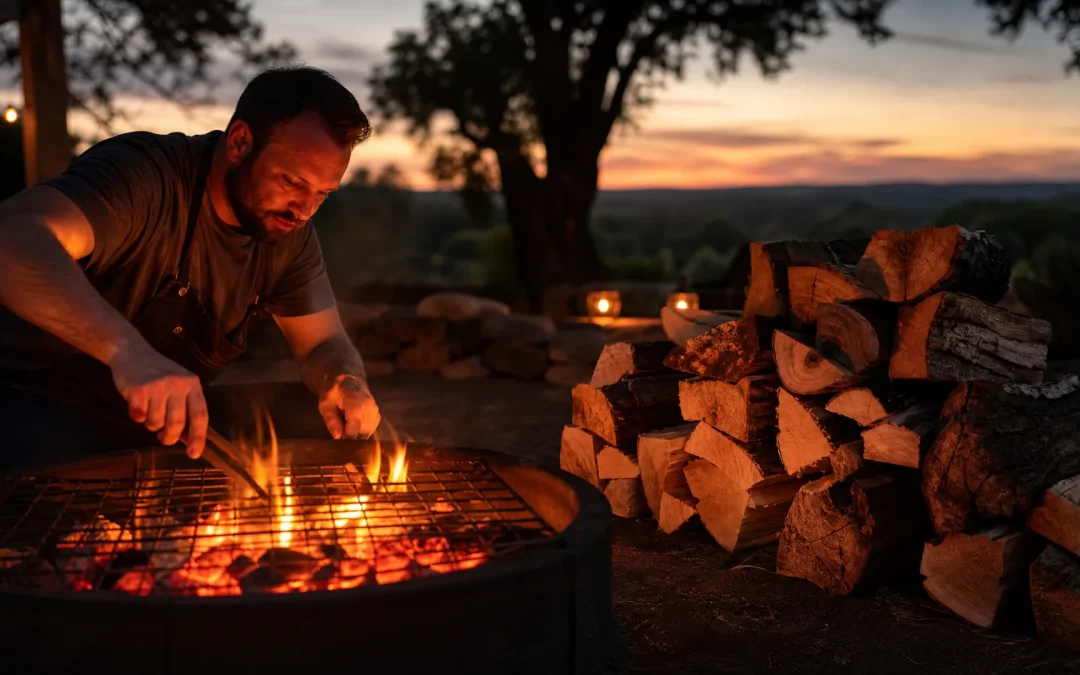
Ask ten South Africans what the best wood for braai in South Africa is, and you’ll get ten confident, slightly different answers. Most advice stops at naming a wood, rooikrans, kiaat, sekelbos, without explaining what actually changes when you swap one for another. Wood choice isn’t about tradition alone. It’s about heat output, burn time, and the smoke flavour that ends up on your meat.
Why the Wood You Choose Changes Your Braai
Every log you throw on the fire does three jobs at once: it heats your grid, it burns for a certain amount of time, and it flavours the smoke drifting through your chops or boerewors. Get the wood right for the occasion, and the whole evening runs smoother. Get it wrong, and you’re either scorching a slow-cooked shoulder or waiting an hour for coals that never quite arrive.
That’s the real decision behind braai wood types in South Africa. A quick weeknight sear needs something different from an all-afternoon spit. Understanding that distinction is more useful than memorising a list of names.
Heat Output, Burn Time and Smoke Flavour Explained
Heat output is how hot the wood burns once it’s coaled down. This determines how well you sear steak or chops. Burn time is how long those coals stay usable, which matters most for slow cooks or big gatherings where you don’t want to keep feeding the fire. Smoke flavour is the subtler factor: some hardwoods add a sweet, mild aroma, while others turn acrid if the wood isn’t properly dried.
Most of the confusion around braai wood heat output comes from people judging a wood by how big the flames look, rather than how it performs once it’s burned down to coals. Flames are for show. Coals are where the actual cooking happens.
Braai Wood Types in South Africa and What They’re Best For
South Africa has a handful of hardwoods that braai regulars have relied on for generations. The main options you’ll come across are rooikrans, sekelbos, kiaat, bluegum, and wattle, each with its own burn profile.
Bluegum is widely available and burns reasonably hot, though it tends to burn faster than denser hardwoods, so it suits shorter braais rather than long, slow sessions. Wattle is another common option, easy to find and decent for everyday braais, though it doesn’t quite match rooikrans or kiaat for burn time or flavour.
Rooikrans vs Sekelbos Braai Wood
The rooikrans vs sekelbos braai debate comes up at almost every South African braai. Rooikrans is the wood most Western Cape braai regulars reach for because it burns hot, lasts long, and leaves a mild, sweet smoke that doesn’t overpower the meat. It coals down well, which makes it forgiving for anyone still learning to judge fire temperature.
Sekelbos burns fast and hot with less coaling time, so it suits impatient weeknight braais more than an all-afternoon spit. It’s a good option when you want fire-ready coals quickly and you’re cooking something that doesn’t need hours over the flame. Think chops or boerewors rather than a whole leg of lamb.
If you’re choosing between the two, ask yourself how much time you have. Rooikrans rewards patience with a long, steady burn. Sekelbos rewards a shorter timeline with quicker results.
Kiaat and Other Hardwood Braai Wood Options
Kiaat is prized in parts of Limpopo and Mpumalanga for its dense grain and slow, even burn, making it a favourite for lengthy spit or slow braais. It’s harder to find in coastal provinces, but worth seeking out if you’re planning a proper low-and-slow session and have access to it through regional suppliers.
Between rooikrans, sekelbos, kiaat, bluegum, and wattle, you’ve got most of what you need to match wood to occasion. The trick is knowing which one suits the meal you’re actually cooking.
Best Wood for Searing vs Slow Braai and Smokeless Options
At Firehouse we’re often asked which wood pairs best with a new built-in braai. The honest answer is it depends on whether you’re searing chops or slow-cooking a whole leg of lamb. There’s no single best burning wood for braai across the board. There’s a best wood for the specific meal in front of you.
For a hot, fast sear, steak, chops, boerewors, you want wood that coals down quickly and burns intensely. Sekelbos and bluegum both work well here, giving you strong heat without demanding hours of prep time.
Best Wood for a Long, Slow Braai
For the best wood for slow braai, density is what matters. Kiaat and rooikrans both hold their heat over long periods, which is exactly what you need for a whole chicken, a leg of lamb, or a low-and-slow spit rotating for hours. Denser wood breaks down more slowly into coals, giving you a steadier, more even temperature for the long haul.
If you’re planning a slow braai, start your fire earlier than you think you need to. Dense hardwood takes longer to reach cooking-ready coals, but once it does, it holds that heat far longer than lighter wood.
Smokeless Braai Wood for Indoor-Outdoor Spaces
Is there such a thing as smokeless braai wood? Not entirely. All wood produces some smoke. But properly seasoned, dense hardwood like rooikrans or kiaat burns far cleaner than damp or resinous wood, producing noticeably less visible smoke and less of the sharp, eye-watering smell that comes from wet logs.
This matters most if you’re braaiing in a semi-enclosed patio or a dedicated braai room attached to the house. For those setups, choosing well-seasoned hardwood and pairing it with good airflow makes a real difference. If you’re planning that kind of space, it’s worth looking at braai room ideas for smokeless entertaining and ventilation options for enclosed braai spaces before you commit to a design.
How Long Braai Wood Burns and Why Seasoning Matters
How long does braai wood burn? It depends heavily on the wood type and how dry it is, but as a rough guide, dense hardwoods like rooikrans or kiaat give you a longer, steadier coal bed than lighter woods like sekelbos or bluegum, which burn down faster. This is why matching wood density to your cooking time matters. It’s the difference between running out of heat halfway through a roast and having coals to spare.
What Seasoned Wood Actually Means
Seasoned wood simply means wood that’s been left to dry out for months after being cut, until its internal moisture content drops significantly. Properly seasoned wood, dried for several months until moisture content drops, lights faster, burns cleaner, and produces far less of the acrid smoke that comes from damp, freshly cut logs.
Unseasoned wood fights you the whole way. It’s harder to light, it hisses and spits as trapped moisture escapes, and it fills the air with thick, bitter smoke that clings to your clothes and your food. Seasoned wood, by contrast, catches quickly and burns with a cleaner, more controllable heat. When you’re buying braai wood, always ask how long it’s been seasoned for. A supplier who can answer that confidently is usually a supplier who knows their stock.
Where to Buy Braai Wood in South Africa
Wondering where to buy braai wood in South Africa that’s actually worth the money? Farm stalls along major routes are often a reliable source, especially in regions where rooikrans or kiaat grow locally. Garden centres and hardware stores stock bagged hardwood too, though quality can vary more than at a dedicated wood supplier.
Whichever source you choose, check a few things before you buy. The wood should feel light for its size, a sign it’s properly dried rather than still holding moisture. Bark should be starting to loosen or flake, another sign of good seasoning. And the wood should sound sharp and hollow when you knock two pieces together, rather than dull and dense with dampness.
Buying in bulk from a dedicated supplier is usually more economical than grabbing small bags as you need them, and it means you always have properly seasoned stock on hand rather than scrambling before a weekend braai.
Wood Braai Tips South Africa: Getting the Most from Every Fire
A few habits separate a good wood braai from a great one. Build your fire with a solid base of firelighters or dry kindling, then add your hardwood once there’s a strong flame going. Resist the urge to spread coals too early. Let them build into a proper glowing bed before you start cooking.
Keep a small reserve of extra wood nearby for slow braais, so you’re not caught short halfway through. And always leave enough time before your guests arrive. A rushed fire rarely gives you the steady heat a good braai needs.
Pairing Your Wood Choice with the Right Braai Setup
The wood you choose only performs as well as the braai it’s burning in. A built-in braai with good airflow and a solid firebox gets more out of dense hardwood like kiaat or rooikrans than a poorly ventilated setup ever could. If you’re weighing up choosing between a portable or built-in braai, it’s worth thinking about how you’ll use wood day to day, not just how the braai looks in your garden.
For those planning a permanent structure, designing a built-in braai for your garden is a natural next step once you’ve settled on your fuel of choice. And if you’re still deciding between fuel types altogether, our wood-fired braai vs gas braai comparison covers the trade-offs in more depth.
If you’re new to hosting around fire, getting started with braai entertaining is worth a read before your first big weekend gathering. And once you’re braaiing regularly, don’t forget the upkeep side, keeping your braai rust-free and well maintained will help your setup last through many more seasons of good fires.
Whether you’re searing weeknight chops over sekelbos or settling in for a slow Sunday spit with kiaat, the right wood makes the difference between a fire that fights you and one that works with you. That’s the kind of detail Firehouse builds its braais and braai rooms around, because the best evenings start with the right fire underneath them.