
Fireplace Safety Tips and Requirements: SANS 10400 Guide
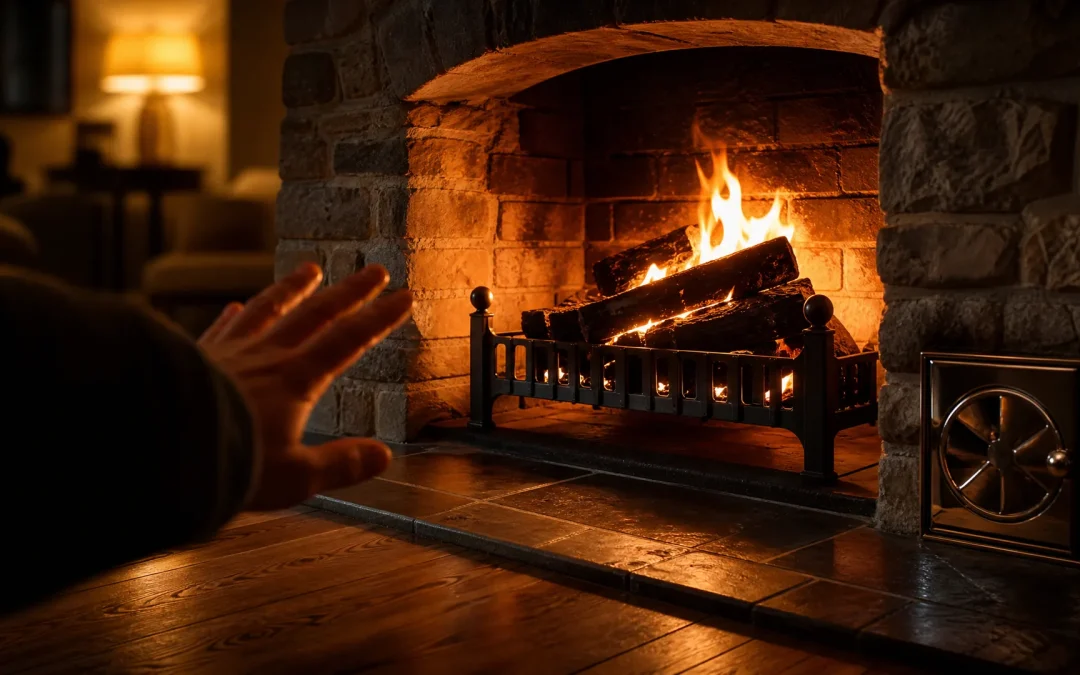
There’s something genuinely special about a fire at home, the crackle, the warmth, the way it pulls people together on a cold Highveld evening. But a fireplace is also a real piece of combustion equipment, and the gap between a perfect fire night and a preventable hazard is almost always about preparation. Getting your fireplace safety tips and requirements right isn’t about fear, it’s about enjoying that fire with complete confidence, every single time.
Why Fireplace Safety Matters More Than You Think
Most fireplace incidents don’t happen because someone was reckless. They happen because of small oversights: a flue that hasn’t been swept in two seasons, an ember that lands on a timber floor just beyond the hearth, or a gas appliance installed without proper ventilation. The main fireplace hazards to avoid are chimney fires (caused by creosote buildup in wood-burning flues), carbon monoxide poisoning (a silent risk with gas and poorly ventilated wood fires), and ember ignition on combustible surfaces.
None of these are inevitable. Each one is preventable, with the right installation, the right habits, and a basic understanding of what your fireplace actually needs from you.
South African Building Code and Fireplace Ventilation Requirements
South Africa has clear national standards for fireplace installations. Knowing them protects your home, your family, and your insurance cover.
What SANS 10400 Requires for Fireplace Installations
SANS 10400 Part T (Fire Protection) is the primary South African National Standard governing fire installations in buildings. It covers hearth construction, flue requirements, and clearances to combustible materials, and it applies to both new builds and renovations. If you’re installing a fireplace in your home, compliance with Part T isn’t optional; it’s what makes your installation legal and insurable.
Key requirements under SANS 10400 Part T include:
- Hearth construction: The hearth must be non-combustible and sized correctly relative to the fireplace opening.
- Flue sizing: The flue must be proportional to the firebox, an undersized flue creates back-drafting and smoke hazards.
- Clearances to combustibles: Timber, drywall, and other combustible materials must be kept at specified distances from the firebox and flue.
Gas braai and fireplace installations carry an additional layer of regulation. SANS 10087-1 (the LP Gas Installation Standard) specifies minimum distances from ignition sources, ventilation opening sizes, and mandatory use of a certified gas installer. You can’t legally commission a gas fireplace yourself, a qualified installer signs off on the work.
Fireplace Ventilation Requirements: Flues, Hearths, and Air Supply
Adequate ventilation is one of the most critical fireplace ventilation requirements, and one of the most misunderstood. A fire needs oxygen to burn cleanly. When air supply is restricted, by a room that’s too well-sealed, a damper that’s stuck, or a flue that’s too narrow, combustion becomes incomplete. Incomplete combustion produces carbon monoxide.
For wood-burning fireplaces, SANS 10400 Part T requires the flue to have sufficient cross-sectional area to draw combustion gases safely out of the building. A typical rule of thumb used by SA installers is that the flue area should be at least one-tenth of the fireplace opening area, though your specific installation may require more.
For gas fireplaces, SANS 10087-1 requires dedicated ventilation openings, the size depends on the appliance’s BTU rating and the room volume. Gas appliances must never be installed in a completely sealed room.
Safe Fireplace Distance Rules: Clearances You Must Know
Clearance distances aren’t arbitrary, they’re the physical buffer between controlled combustion and an uncontrolled fire in your home.
Indoor Fireplaces: Hearth Projections and Wall Clearances
A typical wood-burning fireplace installation in South Africa requires the hearth to project at least 300 mm in front of the fireplace opening and extend a minimum of 150 mm on either side. These are measurements that many DIY installations miss, creating real ember ignition risks on timber floors and carpets.
Safe fireplace distance rules for indoor installations also include:
- Combustible wall materials (timber cladding, wallpaper, shelving): minimum 500 mm clearance from the sides of the firebox opening, though this varies by product, always follow the manufacturer’s specification.
- Mantels and shelving above the opening: minimum 300 mm clearance above the opening is a common requirement; some firebox designs need more.
- Furniture: keep upholstered items at least 1 m from any open fire or glass-fronted firebox during operation.
- Ceiling height: the flue must terminate at a specified height above the roofline to ensure adequate draw and prevent ember fall-back.
Outdoor Braai and Fireplace Clearances
Outdoor installations feel more forgiving, open sky, no ceilings, but the risks are still real, especially near timber pergolas, shade sails, and fencing. For a built-in braai design for your garden, standard guidance from SA installers is:
- Minimum 500 mm clearance from any combustible structure on all sides.
- Minimum 1 m clearance from gas cylinders and flammable storage.
- Overhead clearance of at least 2 m to any combustible covering.
- Gas braai installations must also comply with gas braai installation safety requirements under SANS 10087-1, including hose specifications and regulator standards.
Your Fireplace Safety Checklist: Before, During, and After Every Fire
A fireplace safety checklist doesn’t need to be complicated. It just needs to be consistent.
Pre-Season Fireplace Care and Inspection
Before you light your first fire of the season, ideally in early winter, work through these steps:
- Flue inspection and sweep: Have a professional chimney sweep clean the flue before each season. This removes creosote (for wood-burning) and any blockages (bird nests are surprisingly common). Chimney sweeps and fireplace installers consistently flag this as the most skipped step, the reasoning that “the fire seemed fine last winter” is exactly how preventable chimney fires happen.
- Check the damper: Open it fully and confirm it moves freely. A stuck damper blocks draw and forces smoke back into the room.
- Inspect the firebox: Look for cracked refractory bricks, damaged seals, or rust. Any structural issue needs repair before use.
- Check carbon monoxide detectors: Install one near the fireplace and test the battery. Replace detectors older than 7 years.
- Clear the hearth area: Remove rugs, décor, and any combustibles that have crept close during the off-season.
For braai and fireplace cleaning between uses, thorough braai maintenance and cleaning extends both the life of your appliance and its safety profile.
Safe Fire-Lighting and Burning Practices
- Use a fireplace screen: For open fires, a spark guard or mesh screen is non-negotiable, it stops embers reaching the floor.
- Burn seasoned hardwood: Green wood produces far more creosote and smoke than properly dried wood. Moisture content below 20% is the target.
- Never leave a fire unattended: This applies to both indoor fireplaces and outdoor braais, if you’re leaving the area, reduce the fire or extinguish it.
- Ash disposal: Wait at least 48 hours before disposing of ash, embers can stay alive far longer than they look. Use a metal ash bucket, never a plastic bag.
- Don’t burn rubbish or painted wood: Toxic fumes and unpredictable burn rates make this a genuine hazard.
Understanding fireplace heating efficiency in the SA climate also helps you burn smarter, a well-tuned fire produces more heat with less wood and less creosote.
Gas vs Wood Fireplace Hazards: What’s Different
The dominant risks differ by fuel type, and your safety practices should reflect that.
Wood-burning fireplaces carry the highest risk of chimney fires. Creosote, a tarry byproduct of incomplete combustion, accumulates on flue walls over time. When it reaches a certain thickness and catches a spark, it burns intensely. Regular sweeping and burning dry hardwood are the primary defences. Embers are also a constant hazard; always use a fireguard and keep the hearth projection clear.
Gas fireplaces eliminate creosote entirely, but introduce carbon monoxide risk if the burner is faulty or the ventilation is inadequate. A gas flame that burns orange or yellow (rather than blue) is a warning sign, it indicates incomplete combustion. Gas leaks are the other major hazard; always have a gas detector near the appliance and never ignore the smell of LP gas. Annual servicing by a certified technician matters as much for gas as flue sweeping does for wood.
Weighing up the full picture between fuel types? The electric vs wood-burning fireplace options comparison covers the tradeoffs in detail.
Choosing a Safe Fireplace or Braai: What to Look for in a Product
The safest fireplace is one that’s been properly engineered, properly certified, and properly installed, in that order. When evaluating a product, look for:
- SANS certification: The product should be tested and certified to the relevant South African National Standard. For wood-burning units, this aligns with SANS 10400 Part T requirements. For gas appliances, look for SANS 10087-1 compliance.
- Quality firebox construction: Heavy-gauge steel, quality refractory lining, and well-fitted doors all reduce the risk of structural failure and uncontrolled emissions.
- Documented clearance specifications: A reputable manufacturer provides clear minimum clearance-to-combustibles specs in the installation manual. Be wary of products that don’t.
- Compatible flue systems: The fireplace and its flue should be designed to work together. Mixing components from different manufacturers can compromise draw and safety.
At Firehouse, every fireplace and braai in the range has been hand-selected by people who’ve spent years in the industry. One of the first things we look for is whether a product has been tested and certified to the relevant SANS standards, it’s a baseline, not a bonus. The best indoor fireplaces for South African homes in our range is a good starting point if you want options you can trust from the outset.
A great fire at home should never come with doubt. Get the installation right, follow a simple seasonal routine, and buy equipment that’s built to the standard, then all that’s left is enjoying it.