
Braai Spit for Sale South Africa: 2026 Buyer’s Guide
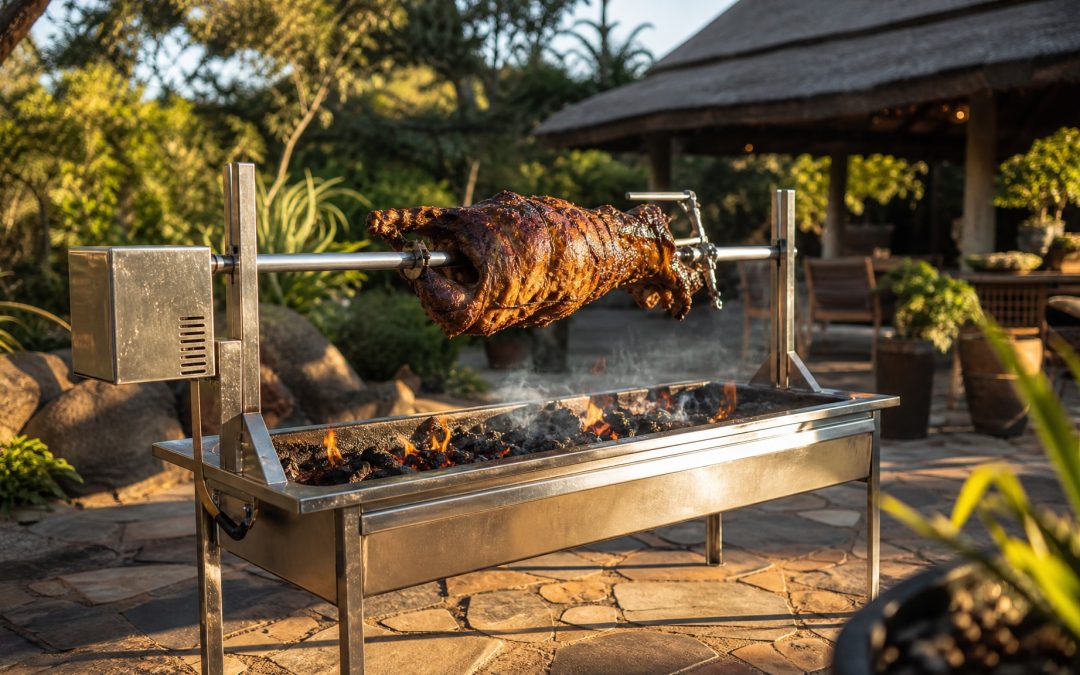
Finding the right braai spit for sale in South Africa means looking past glossy photos and focusing on what actually survives a year of weekends, wind, and salt air. A freestanding unit gives you serious rotisserie capability without demanding you commit to brickwork or sacrifice your patio layout when plans change. This guide helps you separate durable engineering from disposable imports, so your next whole lamb roast is memorable for the food, not the equipment failure.
Why Choose a Freestanding Spit Braai Over Built-In Options
More South African homeowners are choosing freestanding braais over permanent masonry installations these days, because flexible outdoor living space matters more than a fixed brick setup. You get professional-grade rotisserie results with the freedom to reposition your setup for shade, shelter, or social flow depending on the season and guest count.
Portability and Flexibility for Outdoor Entertaining
A standalone unit lets you chase the breeze in summer or tuck under a lapa when the winter wind bites. Renters benefit enormously, since you can take premium cooking capacity with you when the lease ends. Even homeowners with established gardens appreciate this flexibility when hosting larger groups that spill beyond the usual entertainment area.
This mobility doesn’t mean compromising on stability or heat management compared to fixed units.
Installation Freedom Without Permanent Masonry
Building a brick spit enclosure requires planning permission, skilled labour, and a permanent allocation of garden space you can’t reclaim later. A quality freestanding spit braai delivers the same cooking performance while leaving your landscaping intact and your options open. If you’re still weighing up different configurations before committing, our freestanding braai options can help you work out whether a dedicated spit or a multi-use unit suits your entertaining rhythm better.
You avoid the sunk cost of masonry if your outdoor living needs change over the next few years.
Key Features to Evaluate in Premium Spit Braai Machines
Distinguishing a quality freestanding spit braai from a budget model comes down to motor torque, steel grade, and heat source compatibility, not cosmetic extras. These three factors decide whether your machine handles a 20kg lamb smoothly at midnight or seizes halfway through your most important gathering of the year.
Motor Torque and Weight Capacity Ratings
Motor specifications tell you more about real-world performance than any marketing claim ever could. Manufacturers generally rate a 25kg motor as the minimum for whole lamb roasting, while lighter 10-15kg motors suit chicken and pork cuts. Underspecify here and the gearbox will strain continuously against loads it was never built to handle, which guarantees premature failure.
Check the rated continuous load rather than peak capacity. Sustained rotation under weight generates heat that cheap motors can’t dissipate. For deeper technical detail on matching motors to specific meat weights and cooking frequencies, our spit motor specifications guide can help you avoid a costly mismatch between ambition and hardware.
Material Quality: Stainless Steel vs Mild Steel
Premium freestanding spits typically use food-grade 304 stainless steel rather than mild steel, because it holds up against corrosion in South Africa’s coastal and inland climates alike. Mild steel may look identical in product photos, but it will rust within months if it’s exposed to rain, humidity, or salty air without constant painting and maintenance. The higher upfront cost of proper stainless reflects material longevity, not brand markup.
Expect to pay more for genuine 304 stainless. Raw material costs are substantially higher than coated mild steel alternatives.
Heat Source Compatibility: Charcoal, Wood, or Gas
Your preferred fuel type decides which freestanding models deserve serious consideration. Charcoal and wood spits need robust ash management and adjustable grate heights to control radiant heat without flare-ups damaging the motor housing. Gas-assisted models offer convenience but bring burner complexity and regulatory compliance requirements that pure solid-fuel units avoid entirely.
Choose based on how you actually cook, not theoretical versatility you’ll never use.
Understanding Spit Braai Machine Price Ranges in South Africa
Spit braai machine prices vary dramatically across the market, and the cheapest option almost always costs more over five years than a properly specified unit bought once. Budget models cut corners on motor windings, steel thickness, and bearing quality that you can’t see until something breaks during peak entertaining season.
Entry-Level vs Commercial-Grade Cost Differences
Entry-level spits suit occasional users who roast chickens and small cuts now and then, but they lack the thermal mass and motor durability for regular whole-animal cooking. Commercial-grade pricing reflects heavier gauge steel, sealed bearings, and motors rated for continuous operation under load rather than intermittent domestic use. For broader context on where spit braais fit within overall outdoor entertainment spending, our braai budgeting guidance helps you set realistic expectations.
The gap between adequate and exceptional narrows considerably once you factor in replacement parts and premature repurchases.
Hidden Costs: Accessories, Covers, and Delivery
The advertised price rarely includes essential drip trays, heavy-duty covers, or freight to remote areas, and these add real value and protection. Budget for these upfront rather than discovering mid-checkout that your bare-bones purchase leaves critical components missing. Delivery costs for heavy steel units can be significant outside major metros, so confirm total landed cost before comparing quotes.
Skimp on a proper cover and you lose the warranty advantage of buying premium steel in the first place.
Charcoal Spit Braai Considerations for Authentic Flavour
Charcoal purists accept the extra maintenance because no other fuel replicates the smoky flavour that defines South African spit braai culture. A charcoal spit braai is genuinely more demanding to maintain than a gas version, and understanding those differences before you buy prevents frustration with equipment designed primarily for convenience rather than authenticity.
Airflow management matters far more with charcoal, because inconsistent oxygen supply creates temperature swings that ruin slow-roasted meat. Look for adjustable ventilation dampers and raised fire baskets that let you fine-tune combustion without constantly lifting grates or disturbing coals. Ash clearance features like removable trays or raking systems save hours of messy cleanup after long cooks, where grease and carbon buildup would otherwise corrode contact points.
Gas-assisted hybrids cut down on active management but sacrifice the radiant coal bed that renders fat properly and builds a good bark.
Trusted Brands and Where to Buy Spit Braai Online Safely
Buying a spit braai online in South Africa carries risk, because generic marketplaces host sellers who lack technical knowledge, local support, or genuine warranty backing. Checking retailer credibility protects you from receiving under-spec equipment that fails when you need it most, with no recourse for repair or replacement.
Verifying Retailer Credibility and Warranties
Legitimate specialists publish detailed specifications, honour manufacturer warranties locally, and stock spare parts for the models they sell. Check whether the retailer can answer technical questions about motor torque curves or steel grades, rather than just quoting brochure copy. No physical presence or local service network often signals a dropshipper reselling unverified imports with zero accountability.
You deserve support after the sale from someone who understands what they sold you.
Benefits of Expert-Led Curation Over Generic Marketplaces
At Firehouse, we curate our spit braai range based on hands-on testing of motor reliability and steel quality, not catalog specifications alone. That filtering removes products that look impressive online but fail under South African conditions or lack accessible spare parts. Buy your spit braai online through a curated specialist, and you know every listed model has been vetted for actual performance rather than theoretical capability.
Generic platforms optimise for search visibility and price competition, not for whether a product survives three winters on a Cape Town patio.
Essential Accessories for Your Freestanding Spit Setup
Drip trays prevent grease fires and make cleanup manageable after long roasts, where rendering fat would otherwise pool dangerously beneath the meat. Adjustable forks and prongs secure irregularly shaped cuts that standard spits can’t balance, which stops uneven cooking and motor strain from wobbling loads. Heavy-duty weather covers sized specifically for your model protect stainless surfaces from bird droppings, tree sap, and UV damage between uses.
These additions cost little relative to the braai itself, but they decide whether your setup stays functional and pleasant to use month after month.
Maintenance Tips to Extend Your Spit Braai’s Lifespan
South African conditions demand proactive care, because coastal salt, highveld dust, and subtropical humidity attack steel and electrical components relentlessly. Wipe down stainless surfaces with a non-abrasive cleaner after each use to remove acidic marinade residues and airborne salts that start pitting corrosion overnight. Store motors indoors or under sealed covers when not in use. Moisture that gets into gearboxes causes failures that warranties exclude as environmental exposure.
For comprehensive seasonal storage protocols specific to our climate, protecting your braai investment outlines routines that preserve resale value alongside functionality. Lubricate moving parts quarterly with food-safe grease rated for high temperatures, not general-purpose lubricants that degrade near heat sources. Inspect electrical connections annually for corrosion or fraying that compromises safety and motor performance.
Consistent maintenance takes minutes per session but adds years to equipment that neglect would destroy prematurely.