
How to Install a Fireplace in Your Home: Complete SA Guide
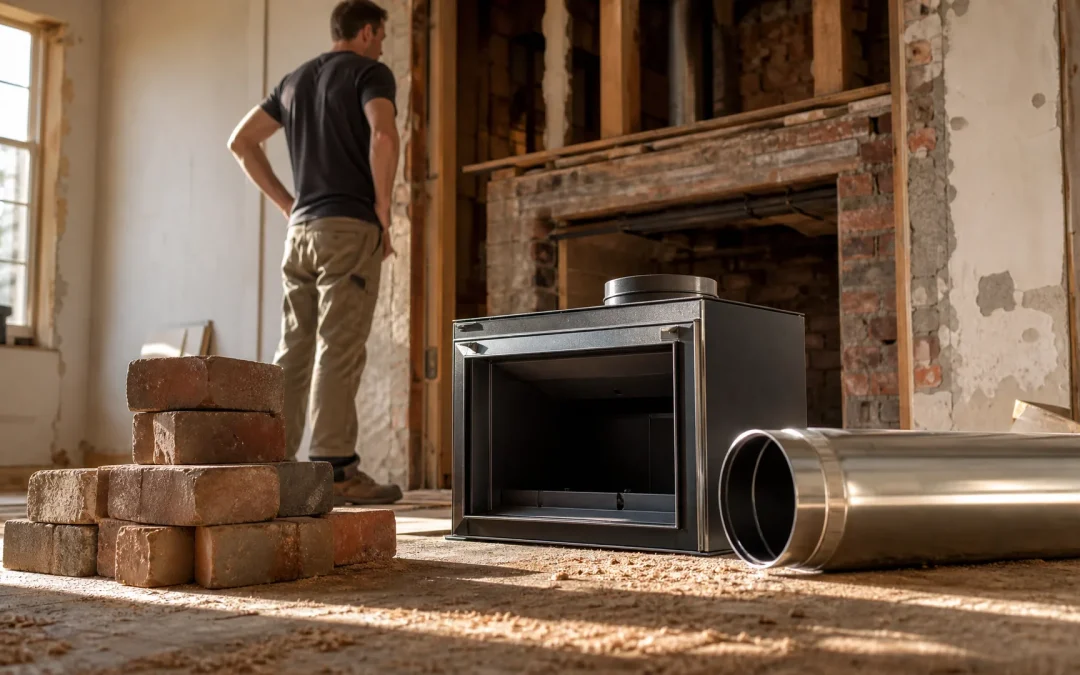
Learning how to install a fireplace in your home is one of those projects that sounds straightforward until you realise how many decisions come before the first brick is laid. Fuel type, wall preparation, venting, compliance, each one shapes the final result. Get it right and you have a fireplace that heats your home beautifully for decades. Get it wrong and you’re dealing with smoke problems, failed inspections, or worse. This guide walks you through every stage, with the South African context most generic guides completely miss.
Before You Start: Planning Your Indoor Fireplace Setup
Choosing the Right Fireplace Type for Your Space
The first real decision is fuel type. Wood-burning fireplaces deliver the most heat output and that authentic crackling ambience, but they need a proper flue and regular ash removal. Gas fireplaces are cleaner, quicker to light, and easier to control, ideal for busy households or rooms where you want heat on demand. Electric fireplaces require no venting at all, making them the simplest to install, though their heat output suits smaller rooms best.
You also need to decide between built-in and freestanding. A built-in fireplace installation is a structural project, it involves opening a wall or building an alcove, fitting a firebox, and running a flue. Freestanding units sit against a wall and connect to a flue pipe through the ceiling or an external wall. Built-ins look integrated and add real value to a home; freestanding options are faster to install and easier to relocate.
Room size drives the heat output you need. A small lounge of around 20–25 m² suits a unit in the 5–8 kW range. A large open-plan kitchen-living space might need 12 kW or more. For a deeper look at how to size a fire for your space, the same principles that apply outdoors translate usefully indoors.
Understanding South African Building Regulations
This is where many DIY-leaning homeowners get caught out. South African building regulations under SANS 10400 Part T (Fire Protection), published by the South African Bureau of Standards, govern all built-in fireplace installations. Non-compliance doesn’t just mean a failed council inspection, it can void your home insurance if a fire-related claim is ever made.
Before you break a single wall, check with your local municipality. Most require a building plan submission for any structural fireplace installation. Some municipalities have additional bylaws that sit on top of SANS 10400. Do the paperwork properly upfront rather than chasing compliance after the builder has left.
Fireplace Venting Requirements You Can’t Ignore
Flue and Chimney Options
Fireplace venting requirements are non-negotiable for any wood-burning or gas installation. There are three main approaches:
- Traditional masonry flue, built into the wall, lined with a clay or stainless-steel liner. Durable, but expensive to build and requires an experienced chimney builder.
- Balanced flue (room-sealed), draws combustion air from outside and exhausts directly outside through a concentric pipe. No internal air is consumed, making it highly efficient and ideal for well-insulated modern homes.
- Direct vent, similar in principle to balanced flue, using a sealed system with dedicated intake and exhaust. Common with contemporary gas fireplaces.
Flue sizing is critical. An undersized flue is the single most common cause of smoke spillage into a room. The flue diameter must match the firebox opening area, your installer should calculate this, not estimate it. A registered chimney builder or a contractor with SANS 10400 experience should handle any wood-burning installation.
Ventilation in South Africa’s Climate
South Africa’s climate creates some specific venting challenges. Seasonal wind changes, particularly the Berg winds on the Western Cape coast and the transitional winds on the Highveld in spring and autumn, create downdraft conditions that can push smoke back into the room if the flue isn’t correctly sized and topped.
Because SA winters are short (typically June to August), flues can sit unused for eight to nine months of the year. A cold, dry flue has poor natural draw when first lit. Building a small starter fire or warming the flue with a rolled newspaper torch before lighting the main fire helps establish the draft. A cowl on top of the chimney reduces wind interference and keeps birds and debris out during summer.
Step-by-Step Fireplace Installation Guide
Preparing the Wall or Alcove
A built-in fireplace installation begins with structural assessment. Your builder needs to confirm whether the wall is load-bearing before opening it. If it is, a lintel must be installed above the opening to carry the load. The hearth area, the floor in front of and beneath the firebox, must be non-combustible: tile, stone, or concrete. SANS 10400 specifies minimum hearth projection dimensions, so check these before laying anything.
The alcove depth needs to accommodate the firebox plus clearance behind it for the flue connection. Measure twice; cutting into a wall is not easily undone.
Fitting the Firebox and Surround
Once the alcove is prepared, the firebox is positioned and levelled. Clearance to combustible materials on all sides must meet the manufacturer’s specifications and SANS 10400 requirements, typically a minimum of 50 mm to timber framing, though this varies by product. The surround (the decorative frame around the firebox opening) is fitted last and anchored to the wall. Non-combustible board behind the surround is standard practice.
The hearth protection extends forward from the firebox opening. Many homeowners choose a stone or porcelain tile that complements the surround, this is also where personal style choices come in.
Connecting Fuel Supply or Flue
For wood-burning fireplaces, the flue connects at the top of the firebox and runs vertically to exit above the roofline. The exit point must be positioned so that the flue extends at least 600 mm above the highest point of the roof within a 3-metre horizontal distance, a SANS 10400 requirement that ensures proper draw.
For gas fireplaces, the fuel line connection is a legal matter. LP Gas connections in South Africa must be completed by a registered installer under the Pressure Equipment Regulations (PER) of the Occupational Health and Safety Act. This is not optional guidance, it’s a legal requirement. Using an unregistered installer can void your insurance and create genuine safety risk. Ask to see your installer’s registration certificate before work starts.
South African Climate Considerations for Indoor Fireplaces
South Africa’s climate is genuinely different from the markets most fireplace brands design for. Most regions only need active heating for three to four months a year, which changes the buying calculus significantly. You’re not heating a home through a six-month European winter. Quick heat-up time and efficiency at lower burn rates matter more here than raw maximum output.
On the Highveld, Johannesburg, Pretoria, and surrounding areas, winter nights regularly drop below 5°C, and dry, cold days make a high-output wood-burning fireplace a practical heat source, not just an aesthetic one. The dry air also means wood seasons quickly and burns cleanly. This is genuinely good braai and fireplace country.
Coastal homes in Cape Town and Durban face a different set of conditions. Higher ambient humidity accelerates corrosion in traditional steel flue components and can cause moisture issues inside an unused chimney over summer. For these homes, a balanced-flue gas fireplace is a more durable long-term choice, sealed against the elements and easier to maintain in a humid environment. Comparing wood-fired vs gas options in South Africa in more detail helps here, since the climate logic applies equally to indoor and outdoor fires.
Choosing the Right Fireplace for Your Home
When evaluating a built-in fireplace, look at four things: firebox depth (a shallow firebox limits log length and heat output), glass viewing area (bigger glass panels mean more radiated heat into the room), heat output in kW (matched to your room size), and brand reputation backed by local support.
A product that’s cheap to buy but impossible to get parts for in South Africa is a poor investment. Look for brands with a local distributor or stockist who can supply replacement glass seals, grates, and burner components years down the line.
At Firehouse, every fireplace in our range has been hand-picked by people who have spent years sourcing and installing fires across South Africa, we only stock products we’d put in our own homes. If you’re planning a bigger project, it’s also worth thinking about pairing your indoor fireplace with an outdoor setup, many SA homeowners tackle both in the same renovation, and the planning overlaps more than you’d expect.
Keeping Your Fireplace Safe and Working Well
A well-maintained fireplace lasts decades. The upkeep isn’t demanding, but it does need to be consistent.
Annual flue sweep, before the start of each winter, have a chimney sweep clear the flue of creosote and soot build-up. Creosote is flammable, and a dirty flue is the most common cause of chimney fires. One sweep a year is usually sufficient for a wood-burning fire used through a typical SA winter.
Glass seal inspection, the rope seal around the firebox glass degrades over time, allowing air to bypass the controlled burn. A failing seal reduces efficiency and can cause glass to crack from uneven heat. Check it annually and replace it when it feels soft or compressed.
Ash removal, don’t let ash build up more than a few centimetres in the firebox. A thin bed of ash actually helps insulate the fire base, but excess ash restricts airflow and reduces burn efficiency. Remove it when cool, into a metal container, never a plastic bag.
Gas valve and burner checks, for gas fireplaces, have a registered LP Gas technician check the valve, burner, and connections at least every two years. Smell gas? Close the valve, ventilate the room, and call a professional before relighting.
An indoor fireplace is one of the best investments you can make in a South African home, for comfort, ambience, and resale value. Do the planning properly, use registered professionals for structural and gas work, and choose a product built to last. Browse Firehouse’s curated indoor fireplace range at thefirehouse.co.za or get in touch directly, we’re here to help you find the right fire for your home.