
Gas Fireplaces in South Africa: Complete Guide
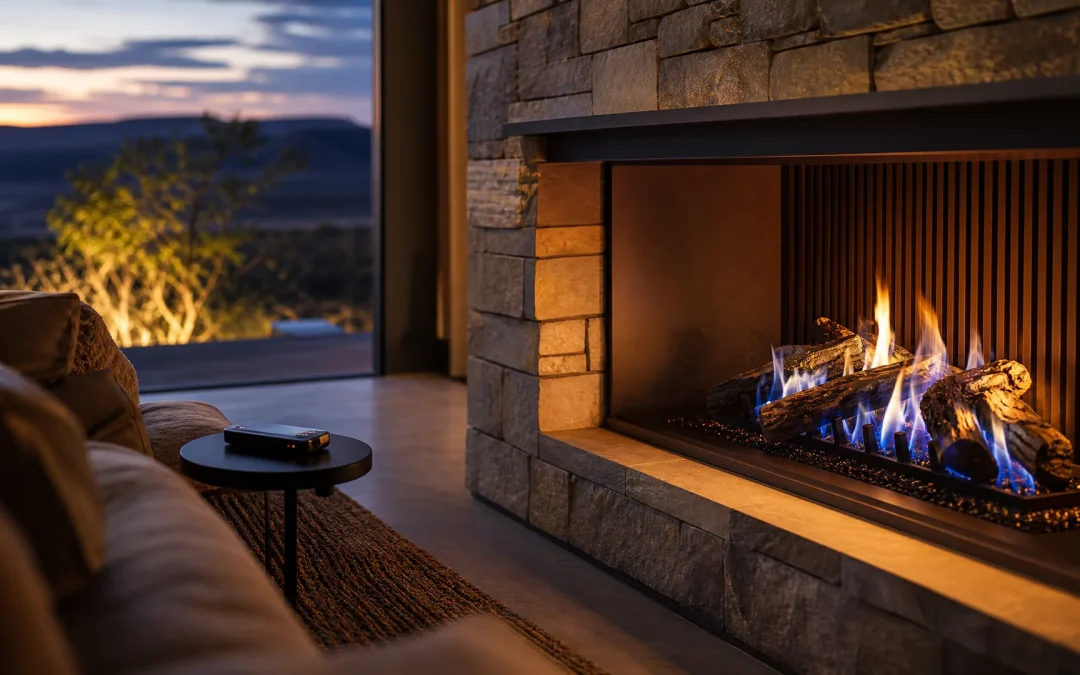
There’s something about a real flame that South African evenings ask for, especially once the highveld chill or Cape winter rain sets in. A gas fireplace gives you that flame without the hassle of chopping wood or waiting for coals to catch. If you’re weighing up a gas fireplace for a South African home, this guide walks you through the fuel choices, the sizing, the safety rules, and what actually separates a good unit from one you’ll regret.
Why Choose a Gas Fireplace for Your South African Home
Gas fireplaces have become a popular middle ground for homeowners who want real ambience without the daily upkeep of wood. Flick a switch or press a remote, and you have flame and heat within seconds. No firewood deliveries, no ash to sweep, no smoke smell lingering in the curtains.
That convenience matters more than people expect. Homeowners switching from wood to gas often underestimate how much easier daily use becomes. There’s no ash, no wood storage, and heat comes at the flick of a switch or remote. For busy households, that’s often the deciding factor over romantic notions of a crackling log fire.
Gas Fireplace vs Wood Fireplace: Key Differences
Wood fireplaces give you that authentic crackle, the smell of burning logs, and a sense of ritual. But they demand storage space, regular cleaning, and constant tending through the evening.
Gas fireplaces trade some of that ritual for control. You choose the flame height, the heat level, and when it starts and stops. Running costs feel more predictable too, since you’re not at the mercy of firewood prices or availability. If you want the full comparison, our piece on how electric compares to wood burning fireplaces covers the running-cost and ambience trade-offs in more depth.
Gas Fireplace vs Electric Fireplace South Africa
Electric fireplaces are the simplest to install and often the cheapest to buy. But they can’t quite match the real heat output or the genuine flame you get from gas.
A gas fireplace sits between wood and electric. It gives you a real flame, meaningful heat, and far less daily effort than wood. For homeowners who want warmth that actually heats a room, rather than just a decorative flicker, gas usually wins that comparison.
LPG or Natural Gas Fireplace: Which Fuel Suits Your Home
Before you choose a unit, you need to know what you’re feeding it. Most buying guides skip this question. It’s the one that decides whether installation is simple or complicated.
LPG Fireplace South Africa: Pros and Cons
LPG remains the most widely available option for South African homes off the natural gas grid. Piped natural gas is only accessible in a handful of areas. Most homes run on LPG gas bottles, either a small cylinder tucked outside or a larger installation feeding multiple gas points.
The upside is flexibility. You can install an LPG fireplace almost anywhere, refill bottles as needed, and skip dependence on municipal infrastructure. The downside is that you need to manage bottle swaps and keep an eye on supply, especially through a cold winter when demand spikes.
Natural Gas Fireplace South Africa: Where It’s Available
Reticulated natural gas exists in South Africa, but it’s limited to specific estates and developments, mostly in and around Johannesburg and parts of the Western Cape. If your home already has a piped gas connection, a natural gas fireplace is a great option, since you skip the bottle-swapping altogether.
Before you shop, check what’s already installed at your property. An existing gas point or reticulated line narrows your fireplace choice considerably. If not, LPG is almost certainly your practical route.
Freestanding vs Built-In Gas Fireplaces
Once you’ve settled on fuel type, the next decision is how the fireplace sits in your room. This is as much a design choice as a technical one.
Choosing a Freestanding Gas Fireplace South Africa
A freestanding gas fireplace is the easier route if you’re not renovating. It sits in the room rather than inside a wall cavity, so you don’t need to break into brickwork or rebuild a chimney breast. It also gives you flexibility to move it later if you redecorate or relocate.
Freestanding units work well as a statement piece in an open-plan lounge, especially where you want the fireplace to double as a room divider or focal point.
Built-In Gas Fireplace South Africa for a Seamless Look
A built-in gas fireplace recesses into the wall, giving you a clean, architectural finish that reads as part of the room rather than an addition to it. It takes more planning and building work upfront, but the payoff is a look that feels considered rather than added on.
If you’re designing your lounge around the fireplace rather than fitting a fireplace into an existing lounge, built-in is usually the stronger choice. For inspiration on making the space feel finished, our guide to styling a cosy fireplace room is worth a look before you commit to a layout.
How to Choose a Gas Fireplace: Sizing and Heat Output
Getting the size right matters more than most buyers realise. Too small, and the room never quite warms up. Too large, and you’re paying for heat you don’t need, with a flame that overwhelms a modest space.
Matching Heat Output to Your Lounge Size
A well-chosen indoor gas unit can heat a 25-35m² lounge comfortably. That covers most standard South African living room sizes. Larger, open-plan spaces or rooms with high ceilings need a unit with stronger heat output, while smaller, well-insulated rooms can get away with less.
Ceiling height, window size, and insulation all affect how a room retains heat. A lounge with large sliding doors onto a patio, for instance, loses heat faster than an enclosed room. Factor that into your sizing decision. For a broader look at how climate and room design affect performance, see our guide on fireplace heating efficiency for the SA climate.
Ventilation and Placement Considerations
Indoor gas fireplaces need proper ventilation, whether that’s a flue, a balanced flue system, or another approved venting method depending on the unit. This isn’t optional and it isn’t a detail to sort out after you buy. Placement, wall type, and ventilation route all need to work together from the start.
Our article on ventilation options for SA homes breaks down which systems suit which room types, so it’s worth reading before you finalise your fireplace choice.
Gas Fireplace Safety and Regulations in South Africa
Gas and enclosed indoor spaces demand respect. Read this section carefully, even if you skim the rest of the guide.
SANS Compliance for Indoor Gas Fireplace Installation
Indoor gas fireplace installation in South Africa needs to comply with SANS safety standards, covering everything from gas line work to ventilation clearances. Our installation partners work within SANS safety requirements for gas appliances. That’s non-negotiable for indoor units given ventilation and carbon monoxide risks.
A gas fitter registered to install to code isn’t a nice-to-have. It protects your household from carbon monoxide risk, and it’s usually required for insurance and resale purposes too. For the full detail on what compliance involves, read our guide to SANS 10400 fireplace safety requirements.
Gas Fireplace Installation Cost South Africa: What Affects It
Installation cost depends on several moving parts: the type of unit you choose, whether you need new gas line work run to the fireplace, and how much ventilation infrastructure the room needs. A freestanding LPG unit with an existing gas point nearby is usually the most affordable path. A built-in natural gas fireplace requiring new piping and flue work costs more, simply because it needs more labour and material.
Get a proper site assessment before you budget. A qualified installer can tell you exactly what your specific room and gas setup will need. For related guidance on gas line safety and installation standards, our piece on gas installation safety requirements is a useful companion read, even though it’s written with gas braais in mind.
Best Gas Fireplace Brands South Africa: What to Look For
Not all gas fireplaces are built the same, even when they look similar in a showroom photo. The differences show up years later, in how reliably the unit performs and how easy it is to get parts or service when something needs attention.
Look for solid build materials, honest heat output ratings, and a warranty that a brand actually stands behind. After-sales support matters just as much as the unit itself. A fireplace you can’t get serviced locally is a fireplace that eventually sits unused.
Every gas fireplace in the Firehouse range is hand-picked by our team based on build quality, heat performance, and after-sales support, not just price point. We’ve spent years around fires and braais, and that experience shapes every choice in our indoor gas fireplace range, not just a spec sheet.
If you’re ready to see what suits your lounge, browse Firehouse’s curated indoor gas fireplace range and book a consultation with our team. We’ll help you get the sizing, fuel type, and installation right from the start, so your gas fireplace feels like it was always meant to be there. For a wider view of your indoor options before you decide, our roundup of best indoor fireplace options for SA homes is a good next stop.