
Gas Braai Installation South Africa: Safety Requirements
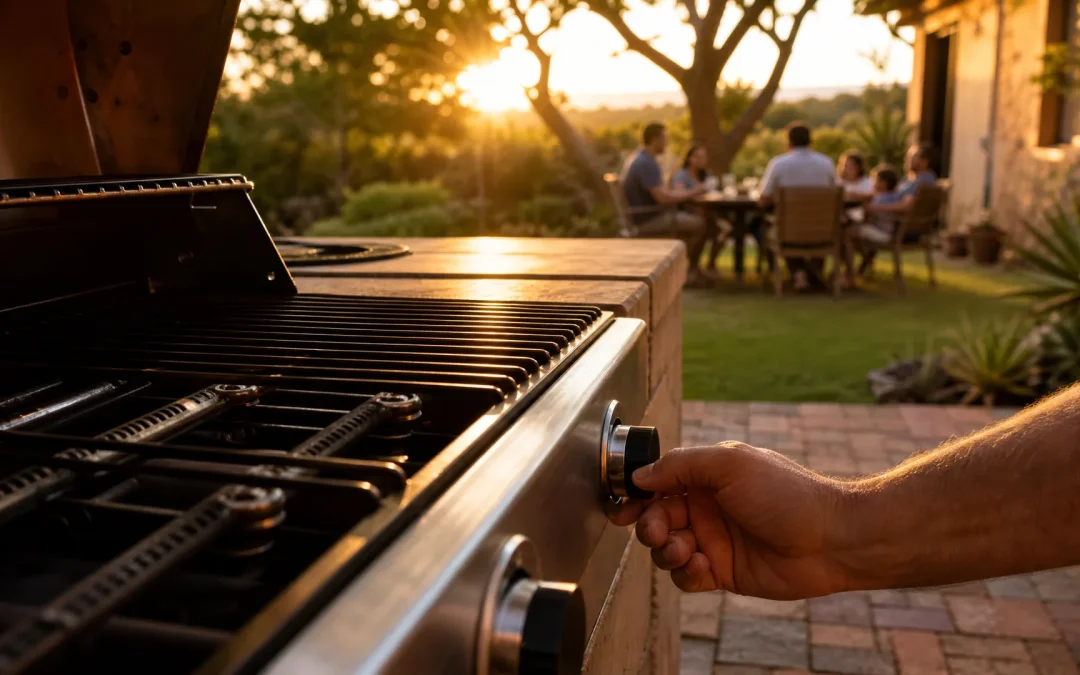
Gas braais have changed the way South Africans entertain. You get instant heat, precise control, and no need to source firewood, just open the valve and you’re cooking. But gas braai installation requirements in South Africa come with real responsibilities that a wood fire simply doesn’t carry. Get the setup right and you’ll have years of effortless braais. Cut corners, and you’re dealing with leaks, liability, or worse.
This guide walks you through everything: the regulations, the practical setup steps, ongoing safety habits, and how to choose the right braai before you even think about installation.
Why Gas Braai Installation Requirements Matter in South Africa
South African braai culture is built on fire, family, and freedom, and a gas braai fits that lifestyle beautifully. No waiting for coals, no smoke in everyone’s faces, and you can still hold a braai on a Tuesday night without ceremony.
The freedom is real. So is the responsibility.
A gas braai introduces LPG, liquefied petroleum gas, into your home environment. LPG is highly flammable, stored under pressure, and unforgiving when mishandled. Unlike a wood fire, a faulty gas connection doesn’t just produce smoke; it can cause a leak, a flash fire, or an explosion.
That’s not meant to alarm you. Millions of South Africans use gas safely every day. The key is understanding what a proper installation looks like and respecting the rules that exist to protect you. If you’re still weighing fuel types, a wood-fired braai vs gas braai comparison can help you confirm gas is the right call for your setup.
South African Regulations and Safety Codes for LPG Braai Installation
South Africa has a clear regulatory framework for LPG installations. Understanding where your setup fits within that framework is the first step.
SANS Standards That Apply to Your Gas Braai
In South Africa, all permanent LPG installations, including built-in gas braais, fall under SANS 10087, the national standard for the handling, storage, distribution, and use of liquefied petroleum gas. This standard sets out how gas appliances must be connected, where cylinders can be placed, what materials must be used for gas lines, and how installations must be tested and signed off.
SANS 10087 is not optional. It has legal standing, and non-compliance can affect your home insurance, your liability in the event of an incident, and your ability to sell the property.
When You Need a Registered Gas Installer
Here’s a practical distinction that catches many homeowners off guard.
A freestanding gas braai connected via a rubber hose to a portable cylinder is typically considered a temporary connection in South Africa. For a temporary setup like this, a Certificate of Compliance (CoC) is generally not required, though the hose and regulator must still meet SANS specifications.
The moment you run a hard copper or steel line to a fixed point, a built-in braai counter, an outdoor kitchen, or a permanent wall-mounted connection, that installation becomes permanent and regulated. A Certificate of Compliance (CoC) is legally required, and it must be issued by a SAQCC Gas-registered installer.
SAQCC Gas (the South African Qualification and Certification Committee for Gas) maintains the register of qualified LPG practitioners in South Africa. Only a registered installer can legally sign off a CoC on a permanent gas installation. Keep that certificate, you’ll need it for insurance claims, property sales, and any future work on the installation.
Never let an unregistered person do permanent gas work on your home. The cost of a registered installer is modest compared to the risk of an uncertified installation.
Gas Braai Setup Steps: What Happens During a Proper Installation
Whether you’re working with a registered installer or just want to understand what they should be doing, here’s what a proper gas braai installation involves.
Siting and Clearance Requirements
Choosing the right location is the most important decision in the whole process, and it’s the one experienced SA gas installers consistently flag as the step homeowners skip. Buying a braai before confirming whether your outdoor kitchen design can accommodate the required clearances from combustible materials leads to costly rework.
Key siting requirements:
- Ventilation. Gas braais must be installed in well-ventilated areas. A covered patio with open sides is generally acceptable. A fully enclosed room or a poorly ventilated cabinet is not, gas accumulation in an enclosed space is a serious hazard.
- Overhead clearance. There must be adequate clearance above the braai to prevent heat damage to overhead structures, pergolas, or thatch roofing. Thatch requires significantly more clearance than a tiled or steel roof, check your braai’s manufacturer specs, which your installer will use as a baseline.
- Distance from combustibles. The braai body and burners must maintain minimum clearances from wooden structures, decking, curtains, and other combustible materials. These distances are specified in SANS 10087 and in the manufacturer’s installation guide.
- Cylinder placement. LPG cylinders must be stored upright, outdoors, in a ventilated enclosure, and at least one metre from any ignition source. They must never be placed inside an enclosed braai cabinet without proper louvre ventilation, a detail many built-in braai owners miss, and a common point of non-compliance.
Choosing the right braai size for your space before you commit to a location saves you from discovering mid-installation that the unit doesn’t fit your clearance envelope.
Gas Line and Cylinder Connection Guide
Once siting is confirmed, the connection process follows a logical sequence.
- Select the correct regulator. Most domestic LPG braais in South Africa use a low-pressure regulator, typically a 4kg/h or higher flow rate depending on the total BTU demand of your burners. The regulator must be SABS-approved.
- Use the correct hose. Gas hoses must be LP Gas-rated, undamaged, and the correct length. South African practice requires hoses to be as short as practically possible, long, coiled hoses increase risk and are not compliant. Replace hoses that show cracking, stiffening, or damage.
- For permanent lines. A registered installer will run a hard copper or CSST (corrugated stainless steel tubing) line from your gas supply point to the braai connection. All fittings must be rated for LPG service.
- Leak test before first use. This is non-negotiable. Apply a soap-and-water solution to every connection point with the gas on. Bubbles mean a leak. Do not light the braai until every connection is bubble-free. A registered installer will conduct a formal pressure test as part of the CoC sign-off.
- Purge and test the burners. Open each burner valve slowly before igniting to allow gas to flow fully. Follow the manufacturer’s ignition sequence, most modern gas braais have a piezo ignition system.
Gas Braai Safety Requirements: Ongoing Use and Maintenance
Installation is the start, not the end. Gas braai safety requirements extend into every braai you fire up.
After every braai session: Turn off the cylinder valve fully before closing the burner knobs. This depressurises the line between the cylinder and the braai, reducing hose wear over time.
Monthly: Visually inspect the hose for cracking, discolouration, or kinks. Check the regulator body for corrosion. If anything looks degraded, replace it before you use the braai again.
Keep the area clear: Never store combustibles near the braai, this includes braai covers left draped over the unit while lit, cardboard, and outdoor furniture cushions pushed too close during a busy evening.
Annual professional check: Have a registered installer inspect your permanent installation once a year. They’ll check the line integrity, regulator performance, and connection points, and they can re-issue documentation if your CoC is ever queried.
Good routine braai maintenance and cleaning keeps burners clear and igniters functioning, a blocked burner can cause gas to pool rather than burn cleanly. If your braai is showing persistent ignition problems or uneven flame, it may be time to look at signs it’s time to replace your braai rather than patching an ageing unit.
Choosing the Right Gas Braai Before You Install
The best time to think about installation is before you buy, not after the braai arrives and you discover it doesn’t fit your space.
BTU output is the headline spec. Higher BTU means more heat, faster cooking, and better performance in cooler weather. But higher BTU also means higher gas consumption and potentially larger clearance requirements. Match the output to how you actually cook.
Built-in vs freestanding is a fundamental choice. Built-in braais are designed to be set into a counter or outdoor kitchen, they require permanent plumbing and a CoC. Freestanding models on a cart are self-contained and easier to move, making them a better fit for renters or anyone not ready to commit to permanent infrastructure.
Installation type rating. Some gas braais are rated for outdoor-only use. Others are suitable under a covered patio. Very few are rated for use inside an enclosed structure. Check the manufacturer’s rating before you buy, installing an outdoor-only unit under a closed entertainment room ceiling is a compliance problem.
Manufacturer specifications. Every braai in the Firehouse range comes with clear manufacturer specs for BTU output, hose length, and minimum clearance distances, so your installer has everything they need from day one. That transparency makes the installation process smoother for everyone.
Browse the premium gas braai brands worth considering if you’re still at the product selection stage, quality brands publish full installation specs, which matters when you’re working through compliance.
Getting Your Gas Braai Ready for Entertaining Season
It’s July 2026 and the entertaining calendar is well underway. A properly installed gas braai is one of the best investments you can make in your outdoor space. Weekend braais, summer evenings on the patio, year-end celebrations, a gas setup means you’re ready within minutes, not hours.
More than the convenience, though, is the peace of mind. Knowing your braai was installed to code, by a registered professional, with a CoC on file, that’s what lets you focus on the people around the fire rather than worrying about what’s behind the gas line.
If you’re building out a full outdoor entertaining area, designing your outdoor entertaining space is a natural next step once your braai installation is sorted. And if you’re new to gas braai hosting, getting started with braai entertaining will help you make the most of your setup from the very first fire.
The Firehouse team knows gas braais inside out, from the right product for your space to the installation considerations that matter in the South African context. Browse our curated range online, or get in touch directly and we’ll help you find the model that fits your setup, your site, and your lifestyle.