
Gas Braai Vs Charcoal Braai in South Africa: Which Suits You?
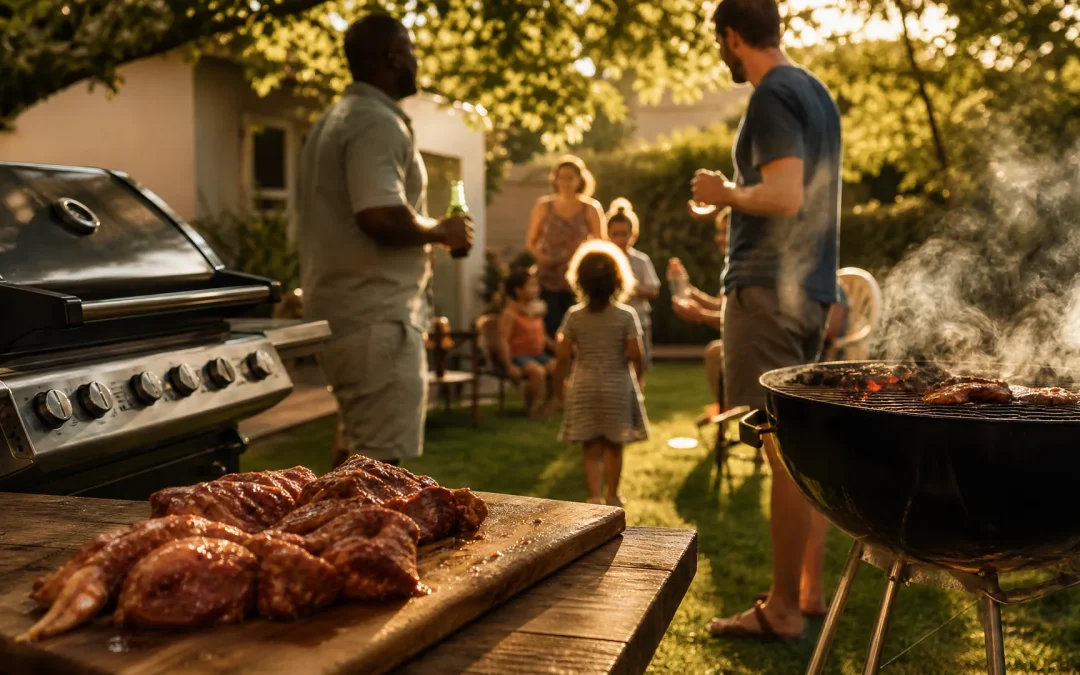
Ask ten South African households whether they braai with gas or charcoal, and you’ll get ten confident, slightly opinionated answers. That’s because the gas braai vs charcoal braai South Africa debate isn’t really about which fuel cooks meat better. It’s about how you actually live: how often you entertain, how exposed you are to load-shedding, and how much time you have on a random Tuesday evening.
This guide skips the generic pros-and-cons list you’ll find on international sites. Instead, it looks at what actually matters here: rolling blackouts, budget realities, and the social role a braai plays in South African life.
Gas Braai vs Charcoal Braai: The Real South African Decision
Overseas, this comparison usually comes down to taste versus convenience. In South Africa, it comes down to lifestyle.
Why This Comparison Looks Different in SA Than Overseas
South Africans braai more often, more socially, and under more unpredictable conditions than most other countries. Load-shedding means your electric oven or stovetop can’t always be relied on, so many households treat their braai as a genuine backup cooking appliance, not just a weekend indulgence.
Then there’s the social side. A braai here isn’t just dinner. It’s how families catch up, how neighbours become friends, and how long weekends get spent. That means the “best” braai fuel depends heavily on the occasion: a quick midweek meal for the family looks nothing like a slow Sunday gathering with extended family and friends.
So instead of asking which fuel is objectively superior, it’s more useful to ask which one fits the way you actually cook and host.
Gas Braai Benefits: Speed, Convenience and Load-Shedding Resilience
If your week is busy and unpredictable, a gas braai solves a real problem: getting food on the table fast, with minimal fuss.
Gas ignites in seconds, reaches cooking temperature quickly, and gives you a consistent flame you can adjust with a dial rather than guesswork. There’s no waiting for coals to grey over, no smoke in your eyes while you fan a stubborn flame, and no ash to clean up the next morning.
Quick Braai on a Weeknight: Why Gas Wins
This is where gas genuinely shines. A quick braai on a weeknight in South Africa often has to happen around load-shedding schedules, school runs, and general exhaustion. Gas removes the friction. You turn a knob, wait a couple of minutes, and you’re cooking.
During load-shedding stretches, South African households often lean harder on gas braais for quick weeknight cooking since they don’t depend on charging times or lighting up coals in the dark. When your inverter is already carrying the lights and the Wi-Fi router, firing up a gas braai instead of fumbling with charcoal and a torch is the path of least resistance.
Temperature control is another quiet win. With gas, you can drop the heat instantly if something’s cooking too fast, which takes a lot of the guesswork out of dinner for a first-time host or a tired parent.
Gas Braai Setup Cost and What to Budget For
Gas braai setup cost is the honest sticking point for a lot of buyers. Entry-level gas braais typically cost more upfront than a basic kettle or charcoal braai, but running costs per braai session tend to even out or favour gas over time once you factor in charcoal and firelighter purchases session after session.
Beyond the braai itself, you’ll need to budget for a gas bottle, a regulator, and possibly professional installation if you’re plumbing gas into an outdoor entertainment area. It’s worth reading up on gas braai installation safety requirements before you commit, since incorrect installation is a genuine safety risk, not just a compliance box to tick.
If you want a clearer sense of total spend before you shop, how much you should budget for a braai breaks down the full picture beyond just the unit price.
Charcoal Braai Flavour and the Ritual of Wood Fire
Now for the argument charcoal loyalists will die on: flavour. And honestly, they’re not wrong to bring it up.
Charcoal braai flavour comes from real combustion: smoke, char, and the slight unpredictability of an open flame interacting with fat and meat. Gas can sear well and cook evenly, but it doesn’t produce quite the same smoky depth that charcoal or wood does. If you’ve ever compared gas vs charcoal cooking taste side by side on the same cut of meat, the difference is subtle but real, especially on fattier cuts like boerewors or lamb chops.
But charcoal braaing in South Africa is about more than taste. It’s a ritual. Building the fire, waiting for the coals to be ready, and tending the heat while chatting with whoever’s standing nearby with a drink in hand is part of the evening, not a chore to rush through.
Charcoal Braai Temperature Control: What to Expect
Charcoal braai temperature control takes more skill than gas, and it’s worth setting expectations here rather than pretending otherwise. You’re managing heat by moving coals, adjusting vents, and reading the fire rather than turning a dial. It rewards patience and a bit of practice, and most seasoned braai-ers will tell you the learning curve is part of the appeal.
Wood Charcoal Braai vs Briquettes in South Africa
Not all charcoal is equal. A wood charcoal braai in South Africa, using proper lump wood charcoal rather than compressed briquettes, tends to burn hotter and impart more genuine smoky flavour, though it burns less predictably and needs closer attention. Briquettes burn longer and more evenly, which suits a low-and-slow session but sacrifices some of that authentic wood-fire character.
If you want to go deeper on choosing between wood types and charcoal grades, choosing the best wood for your braai covers the practical differences in more detail. There’s also our full wood-fired vs gas braai breakdown if you’re weighing wood specifically against gas rather than charcoal against gas.
Gas Braai for Entertaining vs Charcoal for the Slow Sunday Braai
Here’s where the decision often becomes obvious once you’re honest about how you actually host.
A gas braai for entertaining makes sense when you’ve got a larger group, unpredictable arrival times, or simply don’t want the fire to be the main event. Gas gives you consistent output across a big grid, so you can feed fifteen people without babysitting coals the whole time. It’s the practical choice for casual midweek get-togethers or when you’re juggling hosting duties with everything else going on.
Charcoal suits a different kind of gathering entirely. A typical Sunday family braai or long weekend gathering favours charcoal for the slow, social ritual: the fire-building and tending is part of the entertaining itself, not just a means to cooked meat. If your ideal Sunday involves standing around the fire with family, in no particular rush to eat by a set time, charcoal fits that mood far better than gas ever will.
If you’re newer to hosting and want practical guidance either way, braai entertaining tips for beginners is a useful starting point regardless of which fuel you choose.
Best Gas Braai and Best Charcoal Braai Picks in South Africa
There’s no shortage of braais on the market, and separating genuine quality from flashy marketing takes some know-how.
At Firehouse, every braai in our range, gas or charcoal, is hand-picked by people who actually cook on them, so you’re never choosing off marketing spec sheets alone. That matters, because a spec sheet won’t tell you whether a lid seals properly, whether the grid holds heat evenly, or whether the build quality will survive a few years of regular South African use.
What to Look for Before You Buy
Whether you’re after the best gas braai or the best charcoal braai in South Africa, a few criteria matter more than brand hype:
- Build quality, Look for solid materials, decent weight, and construction that can handle years of outdoor use, not just one good braai season.
- Size for your household, A braai that’s too small will frustrate you every time you host more than four people; one that’s too big wastes fuel on a quiet weeknight.
- Brand reputation, Established brands tend to have better parts availability and more consistent quality control.
- Ease of temperature control, Especially important for gas braais, where dial precision varies a lot between models.
- Realistic running costs, Factor in gas refills or charcoal purchases over a year, not just the sticker price on day one.
If you want a sense of which manufacturers consistently earn their reputation, premium braai brands worth investing in is worth a read before you commit to a specific model.
It’s also worth thinking about format alongside fuel type. If you haven’t settled on whether you want something you can move around or a fixed feature of your outdoor space, portable vs built-in braai options is worth considering alongside your gas-or-charcoal decision.
So, Which Braai Should You Buy?
There’s no single right answer here, and if anyone tells you otherwise, they’re probably trying to sell you something. Ask most seasoned braai-ers and they’ll tell you the debate isn’t really gas versus charcoal. It’s about matching the fuel to the occasion, the household, and how much time you actually have on a Tuesday night.
Use this simple framework to figure out which braai you should buy:
- Household size and cooking frequency, Braai several times a week? Gas will save you real time and hassle.
- Entertaining style, Big, casual groups favour gas; slow, social Sunday gatherings favour charcoal.
- Load-shedding exposure, If outages regularly disrupt your evenings, gas offers more reliable, faster cooking when the power’s out.
- Budget, Weigh the higher upfront gas braai setup cost against the ongoing cost of charcoal and firelighters over a year of regular use.
Many households end up with both, using gas for weeknight convenience and charcoal for weekend occasions where the fire itself is part of the fun. Whichever way you lean, the team at Firehouse can talk you through the trade-offs based on your actual space, budget, and entertaining habits. Browse the range, and reach out if you want a second opinion before you buy.