
Premium Braai Brands Worth the Investment
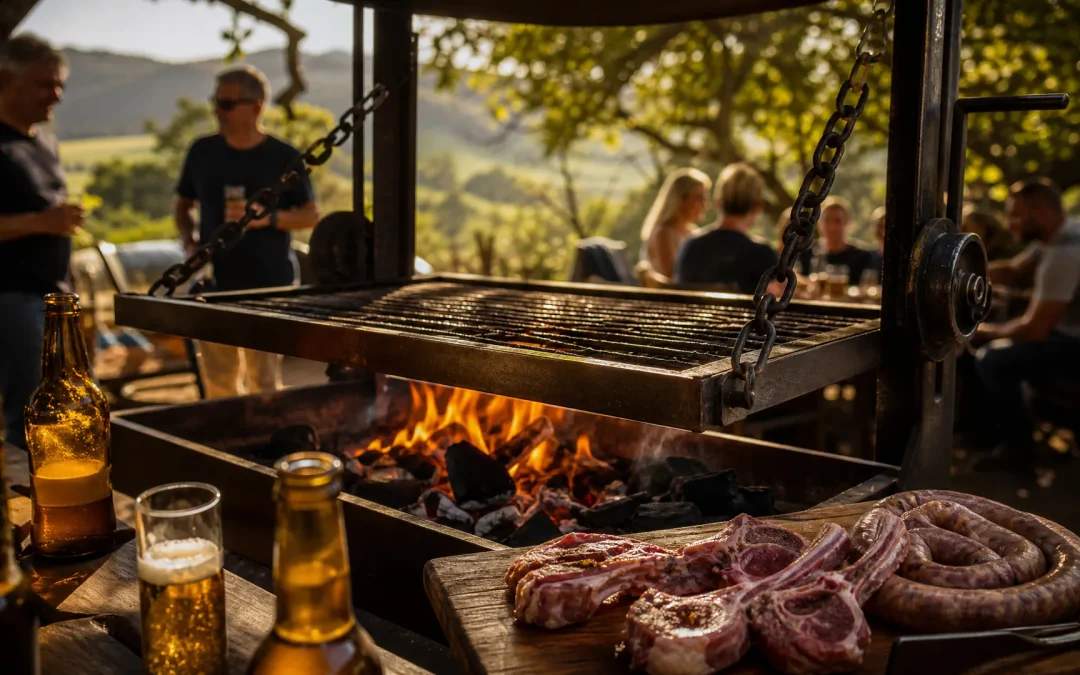
If you’ve ever stood around a fire with the right people, you know a braai is never just a meal. It’s a ritual, and the braai at the centre of it deserves to last. That’s why choosing premium braai brands worth the investment matters so much more than simply comparing price tags. A braai that warrants serious money is one that still performs a decade from now, handles a South African summer without warping, and comes with the backing of a brand that actually supports its products locally.
This guide cuts through the noise. We cover the quality signals that separate trusted braai manufacturers from cheap alternatives, profile the brands we’d confidently recommend in 2026, and help you match the right product to your lifestyle.
Why Brand Matters More Than Price When Buying a Braai
A braai isn’t a seasonal purchase. For most South African households, it’s a permanent fixture, used every weekend, every public holiday, and probably a few weeknights too. That frequency of use exposes cheap construction very quickly.
Brand heritage matters here because it signals accumulated knowledge. A manufacturer that has been building braais specifically for the South African market understands how a firebox behaves under highveld heat, how coastal salt air attacks welds, and how a grate needs to be designed for an afternoon of chops and boerewors rather than a quick hamburger flip.
Quality braai brands also come with after-sales support: local distributors, genuine spares, and warranties that mean something. Budget imports often look solid in the showroom and fall apart within two seasons, at which point there’s no local contact to call and no spare part to order.
Industry insiders consistently point out that the true cost of a budget braai isn’t the purchase price, it’s the replacement cycle. A well-built premium braai, properly maintained, should serve a South African household for well over a decade.
What Makes a Braai Brand Worth Trusting?
Build Quality and Materials
The single clearest quality signal is steel gauge. Premium steel braais made from 3mm or thicker mild steel, or 304-grade stainless steel, consistently outlast thin-gauge alternatives by many years under regular South African braai conditions. That’s a key reason quality-focused buyers pay more upfront.
Look at the welds too. Clean, continuous welds indicate proper fabrication; spotty or tack-welded joints will fail under heat cycling. Grate design matters for cooking performance, heavy-gauge cast iron or thick stainless grates retain heat better and create proper sear marks rather than just grey, steamed-looking meat.
Heat retention and airflow design separate good braais from great ones. A firebox with proper draft control lets you manage temperature rather than fighting it. How to keep your braai in peak condition also becomes much simpler when the build quality is sound from the start.
South African-Relevant Design
Generic braai designs engineered for the European or North American market don’t always translate well locally. SA braais need to handle longer cooking sessions, higher sustained temperatures for wood fire, and outdoor exposure to UV levels that break down cheaper powder coatings within a season or two.
Top braai brands design for these realities. That means UV-stable finishes, drainage provisions for summer thunderstorm downpours, and firebox dimensions that suit South African cooking styles, whole chickens on a spit, potjies balanced above coals, or a generous grid for a family spread.
Premium Braai Brands Worth the Investment in 2026
Built-In and Freestanding Specialists
Namibian Braai is one of the most respected names in South African braai culture. Built in Namibia from heavy-gauge steel, these braais are engineered for real-world fire management rather than aesthetic appeal, though the clean, functional design holds its own in any outdoor setting. The firebox depth and airflow design are particularly well thought out for wood-burning braais. Namibian Braai suits the buyer who takes fire seriously and wants a built-in or freestanding unit that will outlast the patio it sits on.
Napoleon (via their outdoor cooking range) brings Canadian manufacturing precision to the South African market. Their heavy-gauge stainless construction and precision-machined components make them a standout choice for built-in installations where longevity is non-negotiable. Napoleon suits the serious entertainer building a permanent outdoor kitchen, well worth pairing with advice on designing your outdoor entertaining space.
Gas Braai Brands for Convenience and Control
Cadac has been engineering gas braais for the Southern African market since the 1950s, and their continued dominance in the local gas braai segment reflects decades of iterative improvement for SA conditions, from coastal humidity to highveld heat. Their burner systems are designed for consistent output across a wide temperature range, and local service and spares availability is excellent. Cadac is the go-to for buyers who want reliable gas performance without hunting for parts.
If you’re weighing up fuel types before committing to a brand, our wood-fired vs gas braai comparison walks through the trade-offs in detail.
Luxury Braai Options for the Serious Entertainer
Kamado Joe is the benchmark for ceramic kamado-style cooking in South Africa. Ceramic construction delivers heat retention that conventional steel braais can’t match for low-and-slow cooking, and Kamado Joe adds thoughtful engineering touches on top of that, the divide-and-conquer cooking system, the air-lift hinge, the slo-roll lid, that make a genuine difference over time. This is a luxury braai option that earns its price through versatility and longevity.
Big Green Egg occupies a similar space, with a slightly more traditional kamado profile and an exceptionally active owner community in South Africa. Where Kamado Joe leads on included accessories, Big Green Egg wins on brand heritage and resale value. Both suit the buyer who wants to smoke, roast, bake, and braai from a single unit.
For a built-in luxury setup, Skottelbraai (and equivalent high-end local fabricators) offer bespoke options for buyers who want a braai designed around their specific outdoor space rather than an off-the-shelf footprint.
Braai Brand Reviews: How Different Brands Suit Different Lifestyles
Not every buyer needs the same braai. These braai brand reviews from a South African lifestyle perspective make that clear.
The weekend family braaier, cooking for six to ten people most Saturdays, needs a large, durable grid, good coal management, and simple maintenance. Namibian Braai and mid-range Cadac units hit this mark well. Solid build, practical design, and no steep learning curve.
The serious entertainer with a permanent outdoor kitchen wants a built-in, weather-resistant installation that looks as good as it cooks. Napoleon built-ins or a luxury kamado like Kamado Joe make sense here. The investment is justified by daily use and the fact that the braai becomes a focal point of the space.
The apartment dweller or compact-garden owner needs something efficient and space-conscious without compromising on quality. A compact Cadac gas unit or a small-format kamado delivers full performance in a smaller footprint. See our best braai picks for a smaller outdoor space for targeted recommendations in this category, and think carefully about choosing the right braai size for your garden before you commit.
Red Flags to Avoid When Choosing a Braai Brand
A few warning signs make it easy to filter out the wrong options early.
Thin-gauge steel. If the body flexes when you press on it in the showroom, it will warp under fire. Look for stated steel thickness from the manufacturer, if it’s not listed, that tells you something.
No local distributor or SA warranty. A premium price means nothing without local backing. Confirm that the brand has a South African distributor and a warranty you can actually claim in this country.
No spares availability. Grates wear out, burners corrode, hinges fail. If the brand can’t supply replacement parts locally within a reasonable timeframe, your braai becomes disposable the moment something breaks.
Misleading ‘stainless steel’ claims. 430-grade stainless is significantly cheaper and less corrosion-resistant than 304-grade. Budget brands use 430 and market it as stainless. Ask specifically about the grade.
Buying from a specialist retailer removes most of this guesswork, every brand they carry has already been vetted for exactly these criteria.
How Firehouse Curates Every Braai Brand We Stock
At Firehouse, every brand in our range has been hand-picked by people who’ve spent years around fires and braais, we won’t stock a product we wouldn’t use ourselves. That vetting process means you’re only ever choosing between brands we’d confidently recommend to a friend.
Our selection process starts with the product itself: we test build quality, review steel specifications, and assess how well the design suits South African cooking conditions. Then we look at the manufacturer’s track record, how long they’ve been in the market, whether they invest in product development, and how they handle warranty claims.
Finally, we assess local support. A brand without a reliable SA distribution channel, accessible spares, and a responsive service network doesn’t make our range, regardless of how the product performs on paper.
The result is a curated selection of quality braai brands that have proven themselves, not just in a controlled test, but in years of real South African use. Browse our full range online, or reach out to the Firehouse team directly if you’d like a personalised recommendation. We know these products well, and we’re always happy to help you find the right match.