
Wood Fired Braai Vs Gas Braai South Africa: Which Suits You
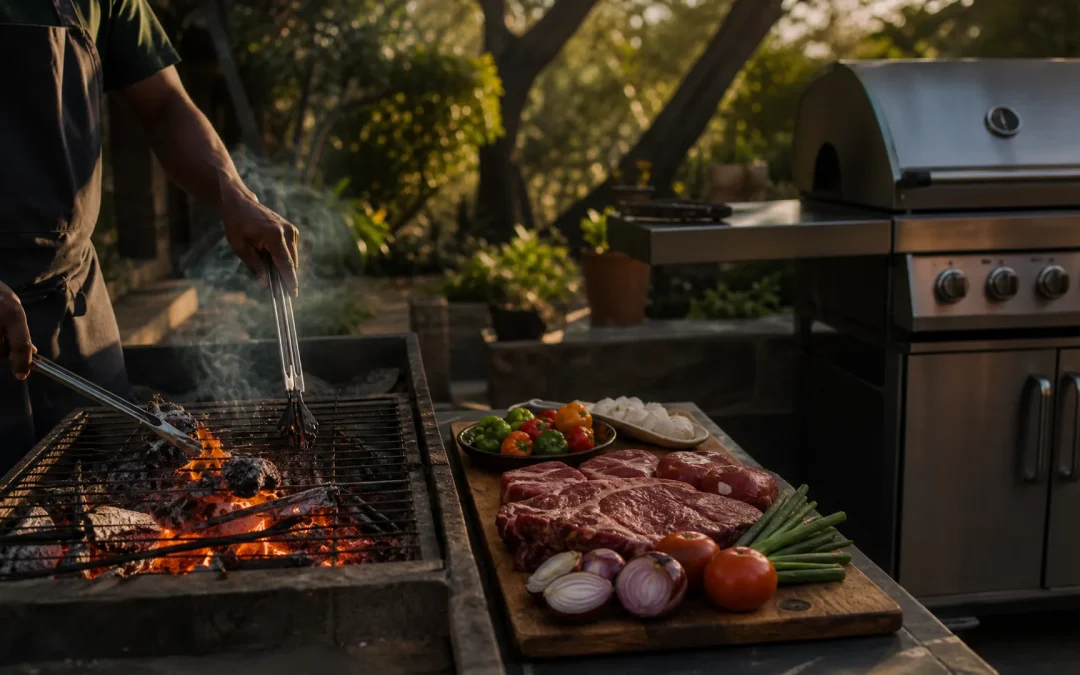
Ask any South African what braai fuel they prefer, and you’ll get an opinion, fast. The debate around wood fired braai vs gas braai South Africa is as much about identity as it is about cooking. Both options can produce a spectacular meal. Both have real advantages and genuine trade-offs. The right answer comes down to who you are, how you live, and what you want from the experience.
So let’s have an honest conversation about it.
The Real Difference Between Wood and Gas Braais
At a technical level, the difference is simple: one burns wood, the other burns LPG. But the actual experience is about far more than the fuel source.
A wood braai is an event. Building the fire, waiting for the coals, managing the heat, that process is part of the braai for millions of South Africans. A gas braai is a cooking appliance that happens to live outdoors. That’s not a criticism; it’s just a different relationship with fire.
South Africa celebrates National Braai Day on 24 September (Heritage Day), and the braai is genuinely central to social life across communities. That cultural weight sits more naturally with wood fire. But plenty of serious braai cooks use gas every week and eat extremely well.
Both fuel types are valid. The decision is personal, and it’s worth thinking through properly before you spend money on a braai you might not be happy with a year later.
Wood Braai Advantages (and a Few Trade-Offs)
Flavour, ritual, and the authentic South African braai experience
Nothing replicates the smoky, slightly-charred flavour that comes from cooking over real hardwood coals. The smoke infuses the meat, the fat drips and flames, and the result tastes like the outdoors. That character is genuinely hard to reproduce with gas.
Beyond flavour, there’s the ritual. Lighting the fire, tending the coals, the smell of wood smoke, these are sensory anchors for most South Africans’ happiest memories. The process slows things down in a good way. It’s sociable. People gather around a fire differently than they gather around a gas grill.
The trade-offs are real, though. Wood braais take time, expect at least 45 minutes from lighting to cooking-ready coals. Ash cleanup is required after every session. And fire management takes skill; beginners often cook over flames rather than coals and end up with burnt-outside-raw-inside results.
Fuel availability and cost in South Africa
South African hardwood braai fuels like sekelbos and rooikrans are favoured by experienced braai masters for their long burn time and intense heat. Both are widely stocked at filling stations and hardware stores across the country, you’ll find bags at most Builders Warehouse branches, Makro, and countless roadside vendors.
Wood prices vary by region and season. Coastal areas often pay more than inland provinces where hardwoods are grown and processed closer by. In 2026, a standard 10 kg bag of sekelbos or rooikrans typically retails between R60 and R110 depending on the retailer and your location.
One underrated advantage: wood braais are completely load-shedding proof. When the grid is down, your fire still lights. In a country where power cuts remain a feature of daily life, that independence matters.
Gas Braai Benefits: Convenience Meets Consistency
Speed, control, and everyday practicality
Gas braai benefits become obvious the moment you want to braai on a Tuesday evening after work. Turn the dial, press the igniter, and you’re cooking in under 10 minutes. There are no coals to wait for, no ash to clean, and no fire management skills required. Temperature control is precise, you can reduce heat instantly, which matters when you’re cooking fish or chicken that doesn’t forgive overcooking.
LPG cylinders are widely available from retailers across South Africa. Most Engen, Shell, and BP forecourts offer refill or swap programmes, so running out of fuel isn’t the drama it might be elsewhere. For urban and suburban households, gas is a genuinely practical choice.
Gas braais suit smaller gardens particularly well. A compact gas unit fits a patio or balcony where a large wood braai would be impractical. They’re also a natural fit for lock-up-and-go lifestyles, no storing bags of wood, no ash residue, easier to cover and leave.
The honest trade-off: some braai purists feel gas misses the wood-smoke character that defines the classic South African braai. That’s a legitimate point, not snobbery. If the ritual and flavour of a wood fire matter to you, gas won’t fully replace it. Cylinder refills also add an ongoing cost that compounds over time, so the running cost comparison is worth doing.
Braai Fuel Type Comparison: Cost, Availability, and Practicality
Here’s how the two options stack up across the factors that matter most for South African conditions.
Upfront cost: Entry-level gas braais generally cost more than comparable wood braais at the same build quality, because the burner and regulator add to the unit cost. A solid wood kettle braai or open grid braai can be had for less than a gas equivalent with the same cooking surface.
Running cost: Wood fuel costs accumulate per session, especially if you braai frequently. Gas cylinder refills add up too, but a full cylinder typically covers multiple sessions, making the per-braai cost reasonably predictable. Over a full year of regular use, costs are broadly comparable, though wood can be cheaper in regions with good local supply.
Fuel availability: Both are genuinely accessible across South Africa. Wood is ubiquitous at filling stations, hardware stores, and informal vendors. LPG swap-and-go programmes cover most urban and suburban areas. Rural areas may favour wood, where local supply is more reliable.
Setup time: Gas wins on speed, ready to cook in under 10 minutes. Wood requires 45 minutes or more to produce the right coals. For weeknight braais or spontaneous entertaining, that difference is significant.
Maintenance: Gas braais need burner cleaning and grill grate maintenance. Wood braais need ash removal and occasional grate cleaning. Neither is especially demanding if you stay on top of it.
Load-shedding resilience: Both wood and gas are grid-independent, which gives them a clear advantage over electric braais in South Africa’s current energy environment.
Lifestyle fit: Gas suits frequent, convenient weeknight use, compact spaces, and lock-up-and-go properties. Wood suits weekend rituals, large outdoor spaces, and anyone for whom building the fire is part of the enjoyment.
Premium Braai Brands: What to Look For in South Africa
South Africa is hard on outdoor equipment. Braais deal with intense heat, coastal salt air, highveld thunderstorms, and years of heavy weekend use. Build quality matters more here than in milder climates.
When assessing a braai brand, look for heavy-gauge steel or cast iron construction, quality welds, and a finish that handles high heat without warping or peeling. Hinges, grids, and adjustable grate mechanisms should feel solid, not like they’ll seize or break after a season.
Firehouse has hand-picked every braai in its range based on real-world performance in South African conditions, how they handle the heat, the weather, and years of heavy use at weekend braais. That curation matters, because the South African market is full of braais that look impressive in a showroom and disappoint outdoors.
A premium braai is a long-term investment in your outdoor space. Buy the right one once rather than replacing a budget unit every few years.
How to Choose the Right Braai for Your Lifestyle
Experienced braai retailers consistently find that first-time buyers tend to underestimate setup time for wood braais and overestimate the flavour difference with quality gas grills. An honest conversation about how you actually live makes the decision straightforward.
Ask yourself these questions:
How often do you braai? If it’s every weekend and the process is part of the pleasure, wood is probably your answer. If it’s a few times a week and convenience matters, gas makes daily use realistic.
Do you entertain large groups or cook for family? Large gatherings suit a wood braai, the fire becomes the centrepiece of the event. For smaller family dinners, gas is faster and less demanding.
What’s your outdoor space like? A large garden with a dedicated braai area suits a wood braai comfortably. A compact patio or balcony is better served by gas, and you might want to read up on best braai options for a small garden before you buy.
Do you value speed or ritual? Honest answer wins here. Neither preference is wrong.
Once you know the fuel type, the next practical question is size, choosing the right braai size for your garden is worth thinking through before you commit to a unit.
If you’re still not sure, don’t guess. Browse the Firehouse braai range and see what matches your setup, or reach out directly for a personalised recommendation. We know this market, and we’ll give you a straight answer, no upsell, just the right braai for how you actually live.