
Built-In Braai Design for Your Garden: The Complete Guide
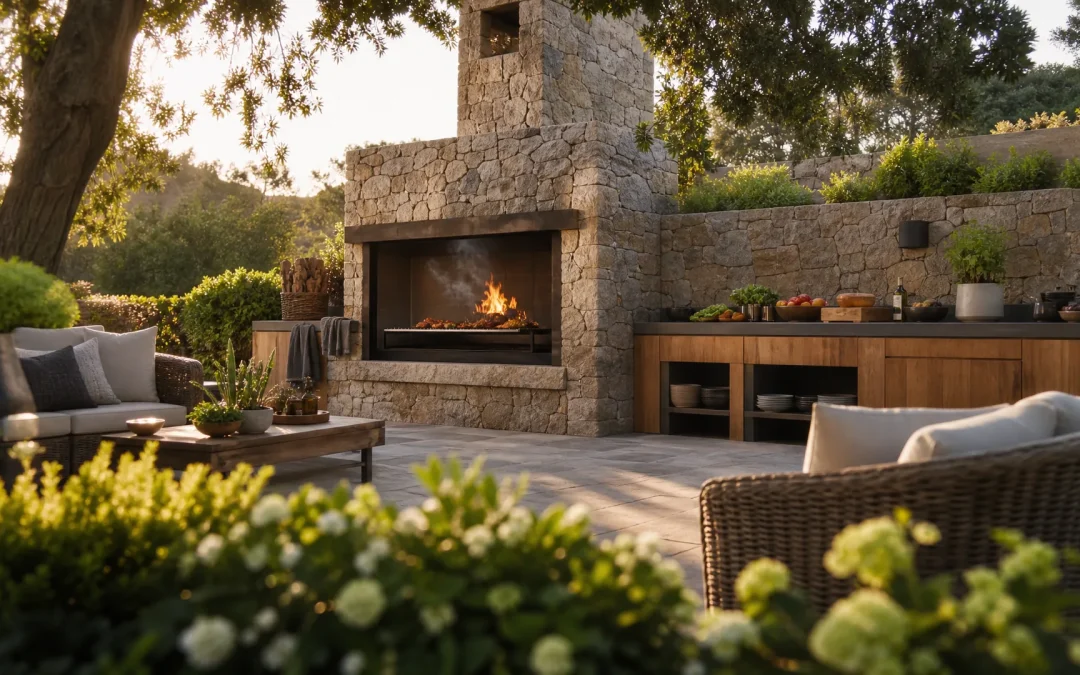
A well-planned built-in braai design for your garden changes everything about how you entertain outdoors. It anchors the space, gives guests somewhere to gather, and signals that this is a home where good food and good company are taken seriously. If you’re thinking about making the leap from a freestanding unit to a permanent installation, this guide covers everything you need to know, from placement and materials to style choices and getting the build right.
Why a Built-In Braai Transforms Your Outdoor Entertaining Space
A freestanding braai does the job. A built-in braai defines the space.
When you permanently fix a braai into your garden or entertainment area, it becomes the centrepiece everything else organises around, the seating, the prep counter, the lighting. It stops being a piece of equipment and starts being part of the architecture of your home.
There’s a practical side too. Built-in braais don’t shift or tip. They handle bigger fires safely. They accommodate proper ventilation and a quality firebox insert that delivers consistent heat year after year. And unlike a freestanding unit you move around to dodge the wind, a built-in is designed for its exact spot.
From a property value perspective, a well-executed permanent braai installation is a genuine asset, especially in South Africa, where outdoor entertaining space ideas for South African homes are central to how buyers assess a home.
Planning Your Built-In Braai Design: Space, Flow & Placement
Getting the placement right is the single most important decision you’ll make before anything gets built. Fix a mistake in the design phase with a pencil. Fix it after the build with a sledgehammer.
How Much Space Does a Permanent Braai Installation Really Need?
Most built-in braai structures need at least 1.2 m of width for the braai itself, plus counter space on one or both sides, budget for 600–900 mm of prep surface on at least one flank. Add another 1.5–2 m of clear space in front for the person managing the fire and the guests who will inevitably crowd in.
A compact braai area can work in a smaller garden, but don’t sacrifice the working depth in front of the firebox, that’s where pinch points cause frustration. If you’re unsure about dimensions before committing to a design, how to choose the right braai size for your garden walks through the key measurements in detail.
Choosing the Right Spot in Your Garden
Wind direction is critical. In most parts of South Africa, the prevailing wind comes from the south or south-west, so positioning the open face of the firebox away from the prevailing wind reduces smoke drift toward guests.
Proximity to the house matters too. Close enough to carry plates without a trek; far enough that smoke doesn’t pour into the living room when the wind shifts. A gap of 3–4 m from any wall or window is a reasonable working minimum for an open-air installation.
Underroof braai areas, whether a dedicated lapa, a covered patio, or an extension of the entertainment room, are a defining feature of South African home design, and a built-in braai is the natural centrepiece of that space. If you’re building under a roof, ventilation is non-negotiable: the flue must clear the roofline, and the design must account for smoke management before a single brick is laid.
Consider traffic flow as well. Guests move toward fire. Design a layout where that movement doesn’t cut across the cook’s workspace or block access to the prep counter.
Built-In Braai Design Ideas: Styles That Work in South African Gardens
South African gardens range from compact suburban plots to sprawling bushveld properties, and the braai design should respond to both the space and the home’s architecture. There’s no single “right” look, but there are smart choices.
Custom Braai Designs: Rustic, Modern & Everything In Between
Face brick remains the most popular finish for custom braai designs in South Africa. It’s durable, weathers well, and, when matched carefully to an existing boundary wall or home exterior, creates a sense of visual continuity that feels intentional rather than retrofitted. A face-brick built-in designed to match an existing boundary wall is one of the most common custom braai requests in South African suburban gardens. Done well, it reads as a natural extension of the property rather than an add-on.
Plastered and painted finishes work well with modern and Cape-inspired architecture. Natural stone cladding and plastered finishes painted in earthy tones have gained ground across South Africa in 2026, reflecting a broader shift toward relaxed, organic outdoor living spaces that feel like an extension of the interior. Warm whites, terracotta, and warm greys sit particularly well against indigenous planting.
Natural stone cladding, slate, sandstone, or rough-hewn granite, suits larger gardens and properties with a rustic or country aesthetic. It adds texture and ages gracefully, though it needs a skilled builder to execute cleanly.
Stainless steel inserts with a minimal surround appeal to homeowners after a contemporary or industrial look. The surround becomes secondary; the quality of the insert and the countertop finish do the heavy lifting aesthetically.
Garden Braai Build Ideas for Different Outdoor Spaces
- Small suburban garden: A compact single-bay built-in with a counter on one side, plastered finish, and a freestanding canopy above. Keep the footprint tight but invest in a quality insert.
- Medium-sized patio or lapa: A two-bay layout with integrated prep counter and storage below. Face brick or plaster with a tiled countertop. Seating wraps around the sides.
- Large entertainment area or bushveld property: A full outdoor kitchen with the braai as one element alongside a gas burner, sink, and fridge units. Natural stone cladding and a pergola overhead.
Choosing the Right Materials for Your Braai Design
The braai surround is what guests see. The firebox is what makes the braai work. Don’t confuse the two in your budget.
Fire brick (refractory brick) must line the firebox itself. Standard face brick cannot handle sustained high temperatures, it will crack and degrade. Fire brick is rated for the heat output of a serious wood fire and will outlast the decorative surround by decades if the mortar is correct.
Refractory mortar (not standard builder’s mortar) is essential for the firebox lining. Standard cement mortar fails at braai temperatures. This is a common corner-cutting mistake that causes expensive remedial work later.
For the decorative surround, standard clay face brick, plaster render, or stone cladding are all fine choices, they’re not exposed to direct fire heat, so material selection here is mostly aesthetic and practical.
Countertop materials each have trade-offs:
- Granite is heat-resistant, durable, and looks premium. It’s the most popular choice for a reason.
- Porcelain tile is versatile and budget-friendly, but grout lines require maintenance in an outdoor cooking environment.
- Stainless steel is the most hygienic and heat-resistant option, and it pairs well with modern or commercial-style builds.
The firebox insert is the heart of any built-in braai build. Investing in a quality steel or cast-iron insert and surrounding it with good fire brick is far smarter than spending the bulk of your budget on a decorative surround with a budget firebox. Firehouse has hand-picked every braai insert in its range for South African conditions, heat output, build quality, and long-term durability in outdoor environments are the criteria that matter.
Explore premium braai brands worth the investment before finalising your insert choice.
Wood-Fired vs Gas Built-In Braai: Which Is Right for Your Garden?
This comes down to what you value most in the experience.
Wood-fired delivers the authentic flavour and atmosphere that defines South African braai culture. The ritual of building the fire, managing the coals, and adjusting the grid height is part of the experience for many braai enthusiasts. A wood-fired built-in also requires no gas infrastructure, which simplifies the build and removes ongoing compliance considerations.
Gas offers convenience and control. You light it in seconds, dial in the heat, and focus entirely on the food. For regular weeknight use or for hosts who cook more elaborate meals, gas is genuinely practical. A built-in gas braai requires a properly installed gas supply line and must comply with South African LP gas regulations.
For a detailed breakdown of both options, the wood-fired vs gas braai comparison covers the key differences. If you’re leaning toward gas, read the gas braai installation requirements in South Africa before you design your build, gas line placement affects the entire structure.
Many homeowners building a larger entertainment area choose to include both: a wood-fired braai as the centrepiece and a gas burner for convenience. It’s a practical combination that doesn’t force a compromise on either front.
Getting Your Built-In Braai Installation Right: What to Know Before You Build
A built-in braai is a permanent structure. The decisions you make now will be part of your home for the next decade or longer, so it’s worth getting the fundamentals right.
Professional installation vs DIY: A competent DIYer with experience in brickwork can build a solid braai surround. The non-negotiables are fire brick installation and mortar selection, if you’re not certain about those, bring in a professional for at least the firebox work. Gas braais require a certified gas installer by law; there’s no DIY option for the gas supply line.
Ventilation: For underroof installations, flue size and height are critical. A flue that’s too short or too narrow will smoke out your guests. Oversize slightly rather than undersize, you can manage a strong draw more easily than a poor one.
Braai insert quality: The insert is where your budget should be weighted. A quality firebox insert from a reputable brand handles thermal expansion correctly, resists warping under sustained heat, and maintains even heat distribution across the cooking surface. Budget inserts fail early, and replacing a firebox inside a built-in structure means demolition work.
Plan for maintenance access: Design the surround so the insert can be inspected and, if necessary, replaced without demolishing the entire structure. A removable insert design is worth asking about specifically.
Once your braai is built and running, keeping your built-in braai in top condition covers the ongoing care that protects your investment. And if you’re thinking about the broader entertaining setup around your braai, getting the most out of your braai entertaining setup is a useful next read.
Ready to start your build? Browse the Firehouse range of built-in braai inserts and premium products at thefirehouse.co.za, or get in touch with the Firehouse team for personalised advice on your custom braai design. Whether you’re at the planning stage or ready to order, we’re here to help you get it right, from the first sketch to the first fire.