
Outdoor Entertaining Space Ideas South Africa Guide
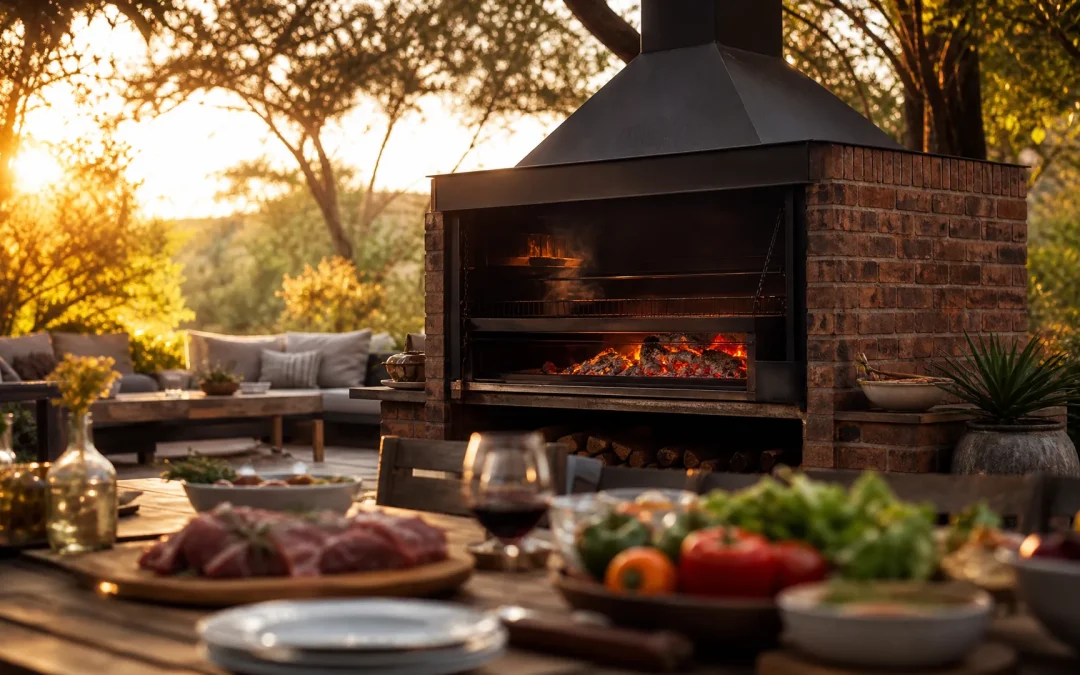
South Africa doesn’t really do indoor entertaining, not when the weather is this good. Whether you’re on the Highveld, in the Cape, or somewhere along the KwaZulu-Natal coast, the garden is where life actually happens. If you’ve been thinking about levelling up your outdoor entertaining space ideas South Africa style, this guide is built for your climate, your garden, and your braai culture.
Why South African Gardens Are Made for Outdoor Entertaining
Long summers, mild winters across most of the country, and a social culture built around fire, South African gardens aren’t just decorative. They’re functional living spaces used almost every weekend of the year.
The braai is the heartbeat of all of it. South Africa’s braai culture is so embedded in national identity that the country celebrates National Braai Day on 24 September, Heritage Day, which tells you everything about how central the outdoor fire is to South African social life. That cultural gravity makes the garden worth investing in properly.
A well-designed outdoor entertaining space doesn’t just look good in photos. It changes how you use your home, how often you host, and how long guests stay. Get the layout right, anchor it around a proper braai setup, and your garden becomes the best room in the house.
The Braai Area: Centrepiece of Every Outdoor Entertaining Space
At Firehouse, every braai in our range has been hand-picked by industry insiders who have spent years understanding what separates a great braai from a great braai experience, and that always starts with where and how it’s positioned in the space.
The braai isn’t just a cooking appliance you slot in somewhere. It’s the focal point around which your seating, dining, and traffic flow should all be arranged. Get the braai placement and spec right first, then design the rest of the space around it.
Experienced outdoor designers consistently advise placing the braai slightly apart from the primary seating zone, close enough to feel inclusive, but far enough that smoke and heat don’t drive guests away. That single decision shapes how enjoyable the entire space feels in use.
Choosing the Right Braai for Your Space
Before you think about paving, shade structures, or furniture, decide which braai suits your garden and your cooking style. The debate between wood-fired vs gas braai comes down to more than preference, it affects where you position the braai, what ventilation you need, and what infrastructure (gas lines, wood storage) your design must accommodate.
Size matters too. A braai that’s too small for your usual crowd creates stress; one that’s too large for a compact patio dominates the space. Our guide on how to choose the right braai size for your garden walks through this in detail before you commit to a permanent installation.
Built-in vs Freestanding: Which Suits Your Garden?
A classic built-in braai set into a low plastered wall with a tiled counter on either side is still one of the most popular outdoor configurations in South African suburban homes. It anchors the space visually and gives the braai master a proper workstation, prep surfaces, somewhere to rest tongs, and a defined cooking zone that signals “this is the place.”
Built-in braais suit homeowners who want permanence, a polished aesthetic, and a layout that won’t change. They’re ideal for larger gardens where you’re committing to a dedicated entertaining area.
Freestanding braais offer flexibility. You can reposition them as the space evolves, take them when you move, and upgrade without a rebuild. They’re also the smarter starting point if you’re still working out how you actually use your outdoor space.
Both approaches work well in South African gardens. The choice depends on your budget, your timeline, and how certain you are about your layout.
Patio Entertaining Layout: How to Plan the Flow
A good patio entertaining layout isn’t just about aesthetics. It’s about how people move through the space, where they naturally gather, and how the environment, sun, wind, rain, affects comfort.
Zoning Your Outdoor Space
Think in zones: cooking, dining, lounging, and (if you have children) play. Each zone should feel intentional without being rigid. The braai and prep area form one zone. A dining table with enough chairs for your usual headcount forms another. A more relaxed lounge zone, lower seating, perhaps around a secondary fire feature, draws people in for the long evening stretch.
Keep the cooking zone slightly downwind of the seating zone. Allow enough circulation space between dining and lounging so the space doesn’t feel crowded when it’s full. Level changes, planters, or a change in paving material can define zones without building walls.
Shade, Wind and Weather Considerations
South Africa’s climate varies dramatically by region, but a few design principles apply broadly.
Sun: Summer sun is harsh, particularly between 11am and 3pm. Shade the dining and lounge zones, a pergola, shade sail, or thatched lapa roof. Don’t shade the braai area too heavily, or smoke has nowhere to go.
Wind: Afternoon westerly winds are common across much of the interior. Position your braai so prevailing winds carry smoke away from guests, not towards them. Solid windbreak walls or dense planting on the western boundary help significantly.
Rain: Highveld afternoon storms can arrive fast. A covered section of your entertaining area, even a partial roof over the dining zone, means a summer thunderstorm doesn’t end the party.
Outdoor Lounge Setup: Seating, Lighting and Atmosphere
The braai brings people together, but a well-considered outdoor lounge setup keeps them there. This is where your design choices create atmosphere rather than just function.
Furniture: Choose materials that can handle UV exposure, heat, and the occasional wet season. Powder-coated steel, teak, eucalyptus, and quality synthetic rattan all hold up well in South African conditions. Untreated pine and cheap aluminium deteriorate fast under real outdoor use.
Seating configuration: Arrange lounge seating to face inward, creating a social circle rather than a row of chairs against a wall. Lower seating, deep armchairs or daybeds, signals that this is a space for lingering, not just sitting.
Lighting: Layered lighting transforms the space after dark. String lights overhead create a canopy effect that feels immediately welcoming. Lanterns at table height add warmth. If you have a fire pit or braai still glowing, that ambient flicker does more atmospheric work than any electric fitting. Solar-powered options have improved significantly in recent years and reduce the need for external power points across the garden.
Textiles: Outdoor cushions in weather-resistant fabric add comfort and colour. Bring them inside during wet periods and they’ll last for years.
Garden Braai Area Design Ideas to Inspire Your Build
Here are four design directions that work particularly well for South African outdoor braai area design, from urban to expansive.
The classic paved braai courtyard. A level paved area, sandstone, slate, or concrete pavers, with a built-in braai on one side, a dining table in the centre, and low retaining walls doubling as seating. Clean, low-maintenance, and works in both modern and traditional homes. This is the workhorse of South African residential outdoor design.
The lapa-style thatched entertaining area. Particularly popular in Gauteng and the North West, lapa-style thatched areas provide natural shade and a defined social zone that works in both summer heat and cool winter evenings around the fire. A properly built lapa with a central fire pit and thatched roof creates a space that feels genuinely removed from the house, a destination, not just an extension.
The compact urban backyard setup. Not every garden has room for a lapa and a full dining courtyard. A compact setup with a quality freestanding braai, a wall-mounted fold-down prep surface, and built-in bench seating along two walls can deliver a full entertaining experience in a small footprint. See our guide on best braai options for a small garden for specific recommendations.
The landscaped garden with integrated fire feature. For gardens where landscaping is a priority, a fire bowl or built-in fire pit integrated into the garden design, surrounded by planting, level-change steps, and ambient lighting, creates an outdoor entertaining space that feels more like a resort than a suburb. The braai can be a separate, freestanding unit positioned nearby, keeping cooking practical without compromising the aesthetic.
Maintaining Your Outdoor Entertaining Space Year-Round
A great outdoor space only stays great with a little seasonal attention. South Africa’s climate is generally kind to outdoor areas, but UV, summer rain, and the occasional cold snap all take their toll.
The braai: Clean the grate after every use, a wire brush while it’s still warm takes thirty seconds and prevents grease buildup. Cover the braai during periods of rain or when it won’t be used for a while. Check for rust spots at the start of each season and treat them before they spread. Our guide to keeping your braai clean and rust-free covers this in detail.
Furniture: Store cushions and textiles under cover during sustained wet periods. Wipe down frames after rain. Teak and eucalyptus benefit from an annual oil treatment to maintain their colour and resist cracking.
Paving and surfaces: Re-seal natural stone paving every couple of years. Clear drains and gulleys before the summer rainy season so water doesn’t pool under furniture or around the braai base.
Shade structures: Check thatching for any damage or nesting activity at the start of summer. Inspect shade sail fixings after strong wind events, hardware loosens over time.
Small, regular maintenance sessions beat a single annual overhaul every time. Ten minutes after a braai is worth an hour’s work later.
Ready to find the braai that becomes the centrepiece of your outdoor space? Browse our hand-picked range at Firehouse, every model chosen because it earns its place at the heart of a great South African entertaining space.