
How to Choose a Fireplace for Your Home: The Right Fit
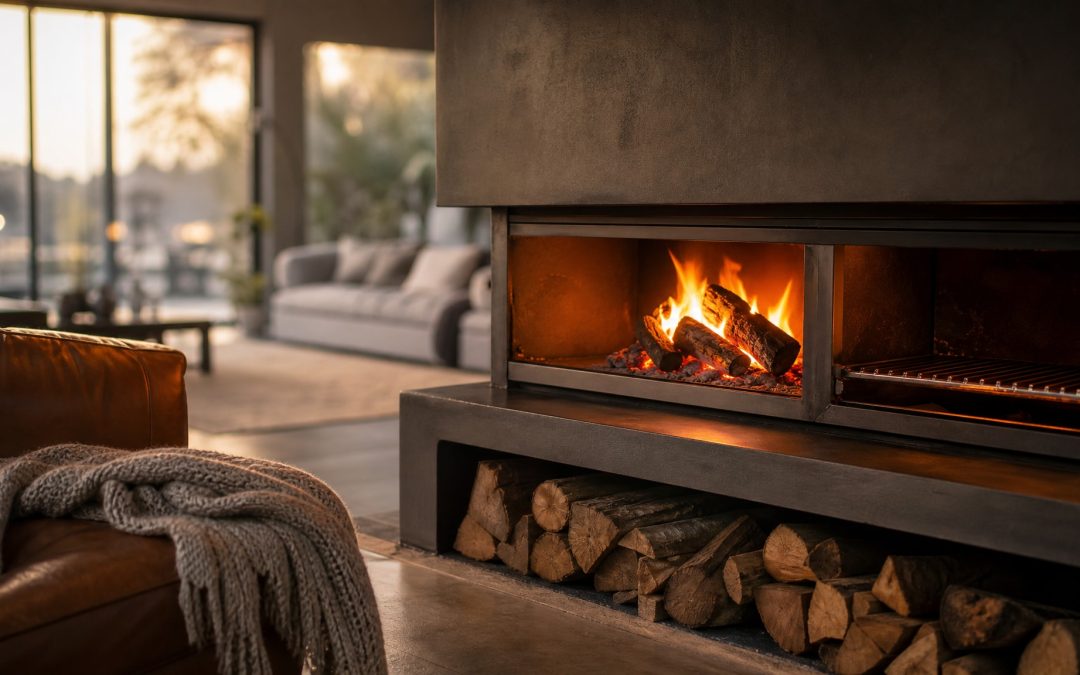
Choosing a fireplace is about more than picking a heat source. It’s about how you’ll actually live in your space once the temperature drops. Plenty of South African homeowners want a unit that heats the lounge in winter and doubles as a braai for the rest of the year, which means your decision has to balance real warmth with the way you actually entertain. Working out how to choose a fireplace for your home starts with honest questions about your habits and what your property can actually take.
Defining Your Primary Heating Goal and Lifestyle
Your first call is whether you need a genuine heat source or an atmospheric focal point for evenings with friends. That single decision shapes everything else, from fuel type to output, because a unit built to warm a large open-plan lounge works on entirely different principles from one meant to set the mood at dinner.
Supplementary Ambience Versus Primary Heat Source
A decorative flame creates atmosphere, but it rarely throws enough heat to carry you through a cold Highveld winter on its own. We built our buying guides to draw a clear line between ambience units and true primary heat sources, so you don’t end up either overspending on capacity you don’t need or under-buying and reaching for a blanket all season. If you need heat that actually penetrates a large room, look past the aesthetics and check the kilowatt rating and thermal efficiency first.
Indoor Comfort Versus Outdoor Entertaining
The line between inside and outside living has blurred in modern South African homes, but the technical requirements haven’t. You can’t install a sealed combustion gas unit on an open patio, and you can’t safely run an open wood fire in a tightly sealed bedroom without proper ventilation. Decide early whether this fireplace is for your indoor space or your outdoor entertaining area. Each demands its own safety clearances and fuel setup, and getting that wrong is an expensive mistake to fix later.
Choosing the Right Fuel Type for South African Homes
Fuel choice shapes the whole experience of your fire, and it decides how well your setup copes when the power goes out. Cost matters, but for most homeowners treating their fireplace as a long-term part of the home rather than just another appliance, local availability and the character of the flame count for just as much.
Wood Burning for Traditional Warmth and Flavour
Nothing replicates the radiant heat and crackle of real timber, especially if you want the option to cook or braai straight over the flames. Modern wood burning fireplace inserts have moved well past the smoky open hearth, with clean-burn technology that pushes out more heat while cutting ash and emissions. Wood asks more of you: sourcing dry timber, cleaning up after. But it gives you a connection to the fire that nothing synthetic matches.
Gas Fireplaces for Convenience and Efficiency
Instant heat at the flick of a switch makes gas the go-to for busy households who want warmth without the prep or the cleanup that solid fuel demands. It also gives you steady, controllable heat that doesn’t depend on electricity, which matters a lot during load shedding, when other heating options simply stop working. If you want the detail on BTU ratings and installation, our complete guide to gas fireplaces covers it properly.
Electric and Bioethanol Options for Easy Installation
These ventless options solve the problem when a flue simply isn’t possible, in an apartment or a heritage building where structural changes aren’t allowed. They add visual appeal and a bit of supplementary warmth without any structural work, but don’t mistake either for a primary heating system in a cold region. Bioethanol gives you a real flame with no smoke or ash. Electric is the most convenient of the two. Neither gets close to the radiant heat of wood or gas.
This route doesn’t suit renters, or anyone planning to move within two years. The installation cost and the permanence of the fittings rarely pay off over a short stay.
Fireplace Size Guide: Matching Output to Room Volume
Matching kilowatt output to your room’s volume matters more than people think. Go too big and you’ll be opening windows to cool the place down, burning fuel and money for nothing. Go too small and the unit runs flat out without ever getting the room comfortable, wearing out faster and leaving you cold anyway.
Calculating Heat Output for Open Plan Areas
Open-plan living brings its own problem: heat rises and drifts into adjoining areas instead of staying where you want it. You need to calculate the full connected volume, stairwells and double-height ceilings included, then choose a unit that can be turned down for a quiet evening but still has the reserve capacity for a proper mid-winter cold snap. There’s a rough rule of thumb, multiplying room volume by a factor tied to insulation and climate zone, but a professional assessment is still the most reliable way to get this right.
Clearance Requirements and Safety Standards
SANS 10400 sets specific clearance distances and ventilation requirements for solid fuel and gas appliances, precisely to prevent fire hazards and keep combustion safe. These aren’t suggestions. They’re legal requirements that touch your insurance cover and your property value, so skipping them puts both your safety and your finances at risk. Check that whatever model you’re considering meets current fireplace safety tips and SANS requirements before you commit to buying or installing.
Freestanding Versus Built-In Fireplace Style Options
The physical form of your fireplace affects both how long the installation takes and how it eventually looks in your home. Which way you go depends largely on whether you’re working with existing architecture or starting from scratch on a new build.
Design Flexibility of Freestanding Units
Freestanding stoves and fireplaces go in almost anywhere, since they need no masonry or structural changes to work. As long as you keep safe clearance distances and connect to the right flue, you can place them in rooms that were never built with a fire in mind, which makes them a natural fit for retrofitting an older home. Left visible, they become a design statement in their own right rather than an afterthought.
Architectural Integration with Built-In Models
Built-in inserts and zero-clearance units disappear into the wall, giving you the clean, seamless look that suits a contemporary interior. That integration needs professional installation, and usually a structural check to confirm the surrounding framework can handle the thermal load safely. You get a cleaner sightline and a fire that reads as part of the architecture, but the trade-off is permanence. Changing your mind later gets expensive.
Budgeting for Premium Quality and Installation
Looking only at the sticker price on the unit is how people end up paying more later, once installation and running costs show up. The true cost of ownership includes the flue system, professional fitting, compliance certification, and annual fuel, and all of these vary a lot between entry-level and premium units.
Premium brands earn their higher price through better heat exchangers, thicker steel, and warranty support that stretches the working life of the unit by decades rather than years. We hand-pick every product in our range based on industry insider knowledge of what actually makes a premium braai or fireplace, rather than just stocking whatever’s generally available. Cheap units tend to burn more fuel for less heat and need replacing within five to seven years. A well-engineered model, with basic maintenance, keeps performing for twenty years or more.
Ventilation and Compliance Considerations
Modern homes are built increasingly airtight for energy efficiency, and that creates a real problem for any appliance that relies on drawing air from inside to burn. Without a dedicated fresh air intake, your fireplace ends up competing with extractor fans and the people in the room for oxygen. That means incomplete combustion, and the risk of carbon monoxide building up.
Flue Systems and Airflow Requirements
Proper ventilation isn’t optional, no matter how efficient the manufacturer says the unit is. You need to understand the difference between a balanced flue, which draws air from outside, and a conventional flue, which needs ventilation in the room itself. Get this wrong and you compromise both safety and how well the fireplace actually heats. Our resource on ventilation options explained walks through what you need to discuss with your installer before you settle on a model.
Finding Trusted Fireplace Dealers and Expert Advice
The retailer matters just as much as the brand, because installation quality decides whether even the best unit performs the way it’s supposed to. Look for a dealer who asks about your room dimensions, insulation, and how you actually plan to use the fireplace, not one who just quotes a price off a catalogue.
Warranty support and after-sales service are what separate a genuine specialist from someone who disappears once the sale’s done. Working with trusted Jetmaster dealers or similarly accredited partners means spare parts, technical support, and compliance paperwork stay available long after installation day. When you’re ready to see the units in person and talk through what you actually need, find a fireplace shop near you and get guidance from people who know South African conditions firsthand.