
Freestanding Braais for Sale in South Africa: Buyer’s Guide
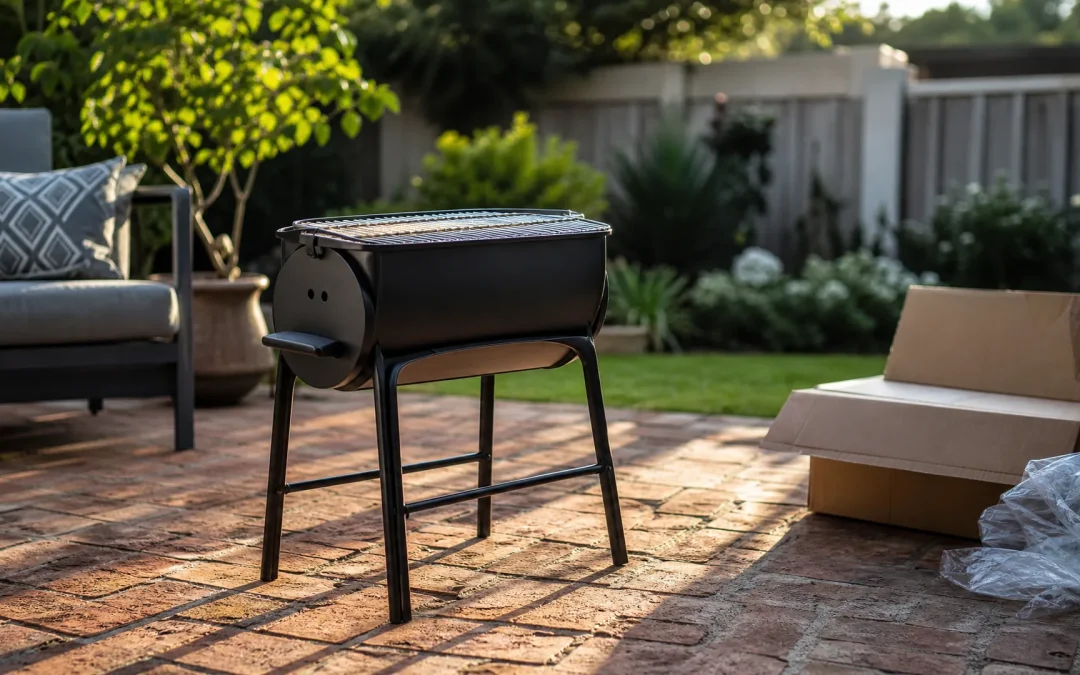
Shopping for a freestanding braai for sale in South Africa usually starts with one simple problem: you want to braai properly, but building a permanent structure isn’t an option. Maybe you’re renting. Maybe your patio isn’t ready for masonry work. Or maybe you just want the freedom to move your braai when your setup changes. That’s exactly where a freestanding unit earns its keep.
This guide skips the spec-sheet approach you’ll find on most retail sites. Instead, we’ll walk through how to actually choose a freestanding braai that suits your home, your fuel preference, and your budget, and how to buy it online without regretting the decision six months in.
Why Buy a Freestanding Braai in South Africa?
Freestanding braais exist for people who need flexibility. You don’t need council approval, a contractor, or a weekend of building work. You unbox it, position it, and you’re braaiing that evening.
They also suit a season of life rather than a permanent commitment. Renting a townhouse now but planning to buy a house in a few years? A freestanding braai moves with you. Redoing your garden and not sure exactly where the entertaining area will end up? Same logic applies.
Freestanding vs Built-In Braai: Which Fits Your Home?
A townhouse or apartment patio with no permission for structural changes is the classic case where a freestanding braai is the only realistic option. A homeowner doing a full garden revamp, on the other hand, might still choose a built-in unit for a permanent entertaining area.
The decision usually comes down to three things: how permanent your living situation is, how much budget you have for installation, and how much you value being able to reposition or replace the braai later. If you’re still weighing this up, the portable vs built-in braai comparison breaks down the trade-offs in more detail.
Freestanding doesn’t mean compromise. Well-made models hold heat and cook evenly, and they last for years. They just don’t require you to commit a corner of your garden to them permanently.
What to Check Before You Buy a Freestanding Braai
Not all freestanding braais are built the same. The differences show up fast once a unit meets South African sun, rain, and, in coastal areas, salt air. Before you buy, it pays to know what separates a braai that lasts a decade from one that rusts through in two summers.
Build Quality and Materials That Last Outdoors
Stainless steel grade matters more than most buyers realise. Grades used in outdoor braais vary widely in how well they resist corrosion. Coastal SA homes in particular need to weigh 304-grade steel against lower-grade alternatives to avoid premature rust. Cheaper steel might look identical in the showroom, but it won’t hold up once it’s living outside year-round.
Beyond the steel itself, check the welds. Clean, continuous welds hold up under heat and weather. Rough or inconsistent ones crack over time. Hinges on lids and doors should feel solid, not loose or wobbly, since these are usually the first parts to fail on lower-quality units.
If you want to know what failure actually looks like a few years down the line, signs it’s time to replace your braai is worth a read before you commit to a cheaper model. And once you’ve bought, ongoing care matters too. Keeping your braai rust-free covers the maintenance habits that extend a braai’s life regardless of where in the country you live.
Can a freestanding braai handle South Africa’s weather without a cover? A well-built stainless steel unit can survive sun and rain reasonably well, but a cover still extends its life significantly, especially near the coast, where humidity and salt speed up corrosion.
Mobility, Weight and Wheels
One of the biggest advantages of a freestanding braai is that it moves with you. That’s only true, though, if the wheels or castors are actually built for it. Cheap plastic wheels crack or seize up within a season or two of regular use.
Look for sturdy castors with a locking mechanism, especially if you plan to move the braai between a patio and a garden entertaining area. Weight matters too. A heavier unit is more stable in wind but harder to reposition solo. Think about how often you’ll actually be moving it before you decide what trade-off suits your lifestyle.
Choosing a Fuel Type: Gas, Charcoal or Hybrid
Fuel type is as much a lifestyle decision as a technical one. Neither option is objectively better. It depends on how you braai and how often.
Gas Freestanding Braai South Africa: Convenience First
Gas freestanding braais typically light instantly and hold a steady temperature. That makes them ideal for weeknight family dinners when you don’t have an hour to spare getting coals ready. Gas also gives you more precise heat control, which helps if you’re cooking multiple dishes at once.
Charcoal Freestanding Braai: Flavour and Tradition
Charcoal models reward those chasing the traditional smoky flavour that gas simply can’t replicate. For many South Africans, the ritual of building a fire and tending coals is part of the weekend braai experience, not a chore to avoid. Charcoal takes longer and needs more attention, but the payoff is flavour and atmosphere that gas can’t match.
Some buyers land on a hybrid unit that offers both options in one braai. If you’re still undecided, the gas braai vs charcoal braai breakdown covers the full comparison, including cost and maintenance differences over time.
Best Freestanding Braai Brands Worth Considering
Not every brand deserves shelf space, and that’s the point of buying from a retailer that curates rather than just stocks. Every freestanding braai in the Firehouse range is hand-picked by industry insiders, not just listed from a wholesaler catalogue. Each model has already been checked for build quality and long-term performance before it’s offered for sale.
So what actually makes a brand “premium” and worth paying more for? A few things consistently separate the better freestanding braai brands from the rest:
- Heavy-gauge steel construction that resists dents and warping under repeated heat cycles.
- A warranty that reflects genuine confidence in the product, not just a marketing line.
- Local parts availability, so a worn grid or burner doesn’t mean replacing the whole unit.
- Consistent finishing: smooth welds, tight-fitting doors, and hardware that doesn’t loosen after a few months of use.
You’re paying for fewer headaches over the life of the braai, not just a nicer-looking exterior. For a deeper look at which brands consistently deliver on these points, premium braai brands worth the investment and best braai brands for family entertaining are both useful next reads if you’re comparing options before you buy.
Where to Buy a Braai Online in South Africa Safely
Once you know what you’re looking for, buying a braai online in South Africa should be straightforward, but it’s worth being a little cautious. A braai is a long-term purchase, so the retailer you buy from matters as much as the model you choose.
Signs of a Trustworthy Retailer
Check for a few basics before you check out. Delivery timelines should be clear upfront, not vague. Warranty terms should be spelled out in writing, not just mentioned in passing. And ideally, there’s someone you can actually contact if you have a question about assembly or need after-sales support.
Reputable retailers also stand behind what they sell rather than simply drop-shipping whatever’s cheapest that month. Firehouse’s own guidance on braai lifespan reflects this. Checking welds, hinge quality, and wheel durability before buying is exactly the kind of advice a retailer gives when it actually stands behind its range, not just moves stock.
If a site offers no clear warranty information, no delivery details, and no way to reach a real person, treat that as a red flag regardless of how good the price looks.
Setting Up Your Freestanding Braai for Great Entertaining
Buying the right braai is only half the job. Where and how you set it up shapes the whole entertaining experience, from where guests naturally gather to how comfortable the space feels on a cool evening.
Think about proximity to seating, shelter from wind, and enough clearance for safe cooking. A freestanding braai’s biggest advantage here is that you can experiment. Move it closer to the action for a summer evening, or tuck it under cover during the rainy months. For more ideas on building out the space around your braai, outdoor entertaining space ideas is a good starting point.
If you’re ready to shortlist a model, browse Firehouse’s curated range of freestanding braais with the criteria in this guide in mind: build quality, mobility, and fuel type that suits how you actually cook. And if you’re still unsure which one fits your home, reach out to Firehouse’s team before you buy. Getting advice upfront is a lot cheaper than replacing a braai that wasn’t right for you in the first place.