
Braai Grate Rust Prevention and Care
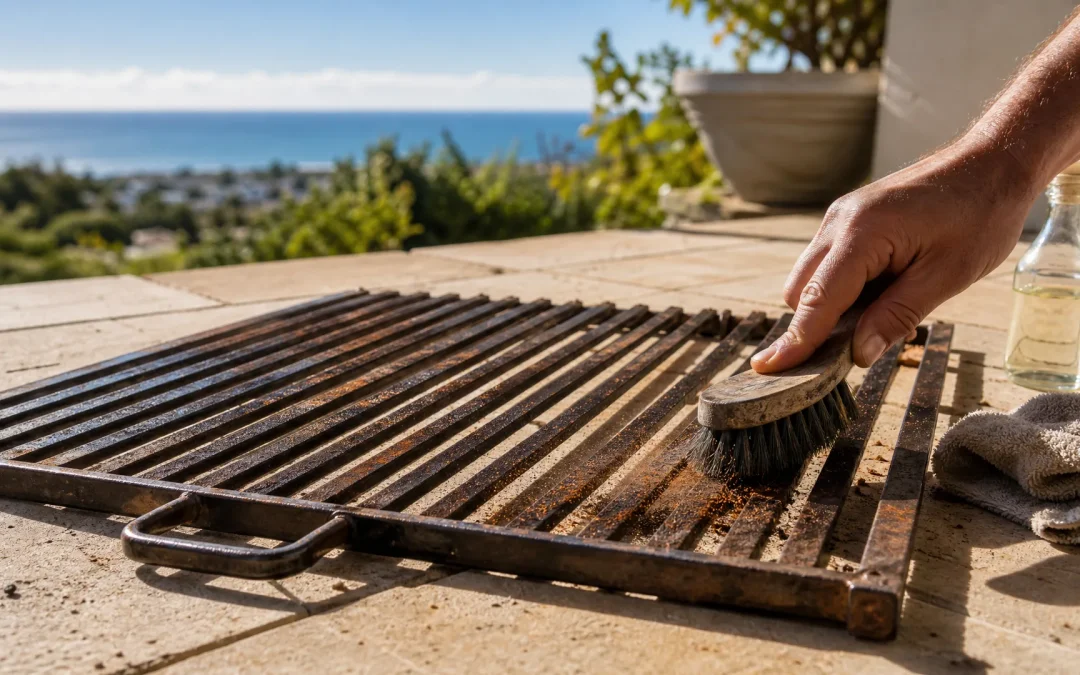
Braai grate rust prevention and care is one of those topics every South African braai owner eventually needs to take seriously, but rarely does until it’s too late. An orange-streaked grate sitting in the corner of the patio is a familiar sight, and almost always an avoidable one. The good news is that keeping rust off your grate is straightforward once you understand why it happens and build a simple routine around it.
Why Braai Grate Rust Is a Bigger Problem in South Africa
South Africa’s climate is genuinely tough on metal. Coastal areas like Durban and Cape Town’s Atlantic Seaboard expose braai grates to salt-laden air year-round, accelerating oxidation even on grates that are cleaned regularly. Inland on the highveld, the risk is more seasonal, but Johannesburg’s intense afternoon thunderstorms from October through March mean moisture is constantly finding your equipment.
The chemistry is simple: moisture plus oxygen plus bare metal equals rust. Heat cycles from braaiing actually speed the process up, because they open the metal’s pores and drive off the thin oil layer that keeps air and water out. South Africans also braai far more often than most, which means more heat cycles, more exposure, and more opportunity for oxidation if the grate isn’t protected between uses.
The reassuring part? Prevention really is simple. Once you know what you’re fighting, a few minutes after each braai is all it takes.
The Essential Braai Cleaning Routine After Every Braai
A good braai cleaning routine doesn’t need to be a production. Done consistently, it takes five minutes and keeps rust from ever getting a foothold. For a broader braai maintenance and cleaning guide that covers the full picture beyond the grate, that’s a worthwhile read alongside this one.
While the grate is still warm: the best time to clean
The single best window to clean your grate is right after the food comes off, while residual heat is still in the metal. Grease and carbon char haven’t hardened yet, so a stiff wire brush does the work in a few passes. Scrub the bars thoroughly, top and bottom, while the grate sits over dying coals or on a heat-safe surface.
Once you’ve brushed it down, let the grate cool completely before you do anything else. A warm grate wiped with oil too soon can smear carbon back into the surface rather than sealing it.
The right tools (and what to avoid)
- Stiff wire brush: the workhorse. Choose one with a sturdy handle and dense bristles. Replace it when the bristles start bending flat, a worn brush just moves grease around.
- Food-safe oil and a cloth or paper towel: for the final wipe-down after cooling.
- Avoid steel wool for routine cleaning, it leaves tiny metal fragments that can rust independently on your grate surface.
- Never leave a wet grate to air-dry. Water sitting on bare metal overnight is how surface rust starts. Always dry the grate fully before storing.
Keeping your grate clean after every session is the foundation of braai grate rust prevention and care, everything else builds on it.
How to Prevent Braai Rust Between Braais
Cleaning gets the carbon and grease off. But a clean grate with no protective layer is still bare metal sitting in South African humidity. This is where most people stop too early.
Oiling your grate: the one step most people skip
Once your grate is cool and clean, wipe a thin, even coat of oil over every surface, bars, frame, the underside. Thin is the key word. A heavy slick of oil goes rancid, smells unpleasant on your next braai, and doesn’t protect better than a light coat.
The best oils for this job are canola oil, flaxseed oil, or a dedicated braai/cast-iron seasoning oil. Canola is cheap, widely available, and has a high enough smoke point to work well. Flaxseed oil polymerises exceptionally well under heat, building a harder barrier over time, it’s the choice of serious cast-iron enthusiasts. Avoid olive oil for this purpose; its lower smoke point means it goes sticky and rancid quickly.
Apply with a folded paper towel or a lint-free cloth, then let the grate sit for a few minutes before storing. That thin film is your rust barrier.
Storage and covers: keeping moisture out
Where and how you store your grate matters as much as how you clean it. A few practical rules:
- Store in a dry location, under a roof, in a shed, or inside if space allows. Leaving a grate on the open patio exposes it to dew every night.
- Use a breathable braai cover, not airtight plastic. Airtight covers trap condensation, especially during Johannesburg’s humid summer evenings, and create the exact damp environment that feeds rust.
- Raise the grate off wet ground if storing on a concrete slab. Even a few centimetres of airflow underneath helps.
These habits together are how you prevent braai rust reliably, season after season.
Seasonal Braai Care: Adjusting Your Routine Through the Year
Generic DIY guides treat braai care as a single, year-round routine. South African conditions don’t work that way, seasonal braai care looks different depending on where you live and how often you’re firing up.
Summer (October to March on the highveld): You’re probably braaiing frequently, which is actually good for your grate, regular heat and oiling keep it in shape. The focus here is consistency. Clean after every session, oil before storing, and don’t let a single braai end with a dirty, uncovered grate. Highveld summer storms can drop humidity fast and catch you off guard.
Winter (April to September): Braais are less frequent, so grates sit unused for longer stretches. Before any extended storage gap, give the grate a thorough clean and a heavier oil treatment, two coats rather than one. If you’re in a particularly cold or damp region, consider storing the grate indoors entirely.
Coastal regions year-round: Salt air doesn’t take a season off. If you’re in Durban, Hermanus, or anywhere near the coast, treat your grate as if it’s always in summer storm conditions. Wipe it down with oil more frequently, even if you haven’t braaid, a monthly wipe during stretches of no use is a sensible habit.
Inland/highveld: Your main window of risk is summer. A disciplined summer routine carries you through the drier winter months with minimal extra effort.
When Rust Has Already Set In: How to Rescue Your Grate
Surface rust, that light orange blush that appears after a missed clean or a wet weekend, is fully recoverable. Heavier rust takes more work but is often still salvageable.
For light surface rust: Rub the affected area with fine steel wool until the rust lifts, wipe the grate clean, apply a coat of oil, and burn it off over heat. One re-seasoning cycle usually brings the surface back.
For heavier rust: A wire brush attachment on a drill, or vigorous hand-brushing, gets you back to bare metal faster. Once the loose rust is off, soak the grate in a white vinegar solution (equal parts vinegar and water) for two to three hours, vinegar’s acetic acid reacts with iron oxide and loosens deeper rust without damaging the underlying metal. Rinse, dry immediately and thoroughly, then run a classic re-seasoning cycle: thin coat of flaxseed or canola oil, heat until the oil polymerises, repeat twice. It’s the same technique South African braai craftsmen have used for generations and is still the most effective rust recovery method going.
When to call it: Cast iron grates that are oiled and stored correctly after each use can last decades. The same grate left wet and uncovered through a SA winter is often beyond practical rescue within a single season. If the metal is pitted deeply, structurally thin, or has through-rust holes, no amount of seasoning will fix it. That’s the moment to invest in a quality replacement rather than fight a losing battle.
When you’re ready to replace, getting started with braai entertaining is a useful read if you’re rethinking your whole setup, and the Firehouse range of replacement grates and complete braai units is a strong place to start.
Does Your Braai Grate Material Make a Difference?
Absolutely, and it’s worth knowing before you buy. The material your grate is made from determines how much ongoing braai grate maintenance it needs and how forgiving it is when life gets busy.
Cast iron offers outstanding heat retention and natural non-stick properties when seasoned. It needs regular oiling and is susceptible to rust when neglected, but a well-maintained cast iron grate is a lifetime tool. It rewards the consistent braai grate rust prevention and care routine described in this guide.
Stainless steel is naturally corrosion-resistant and requires noticeably less maintenance than cast iron. Marine-grade stainless steel in particular handles South Africa’s coastal salt air very well. It heats slightly differently from cast iron, but for low-maintenance durability it’s hard to beat.
Chrome-plated grates are the budget entry point. The chrome layer resists rust while it’s intact, but once it chips or scratches, which happens fairly quickly with regular use and wire brushing, the exposed steel underneath rusts fast. They work, but they’re not a long-term solution.
At Firehouse, the brands we stock, chosen by people who live and breathe the braai lifestyle, consistently specify cast iron or marine-grade stainless steel for grates precisely because of how South African conditions stress cheaper materials. If you’re comparing options, explore the premium braai brands that use superior materials to see how the spec choices play out across different builds.
The right grate for your setup also depends on whether you’re running a wood-fired vs gas braai, heat profiles differ, and that affects how quickly a grate cycles through the conditions that drive oxidation.
If your current grate is past saving, or you’re simply ready to upgrade to something that works with South Africa’s climate rather than against it, explore the Firehouse range of quality braais and grates, built for the conditions you actually braai in, and backed by people who take this seriously. And if you’re thinking about setting up your outdoor entertaining space around a new braai, that’s worth planning at the same time.