
Built-In Fireplace Installation Cost in South Africa
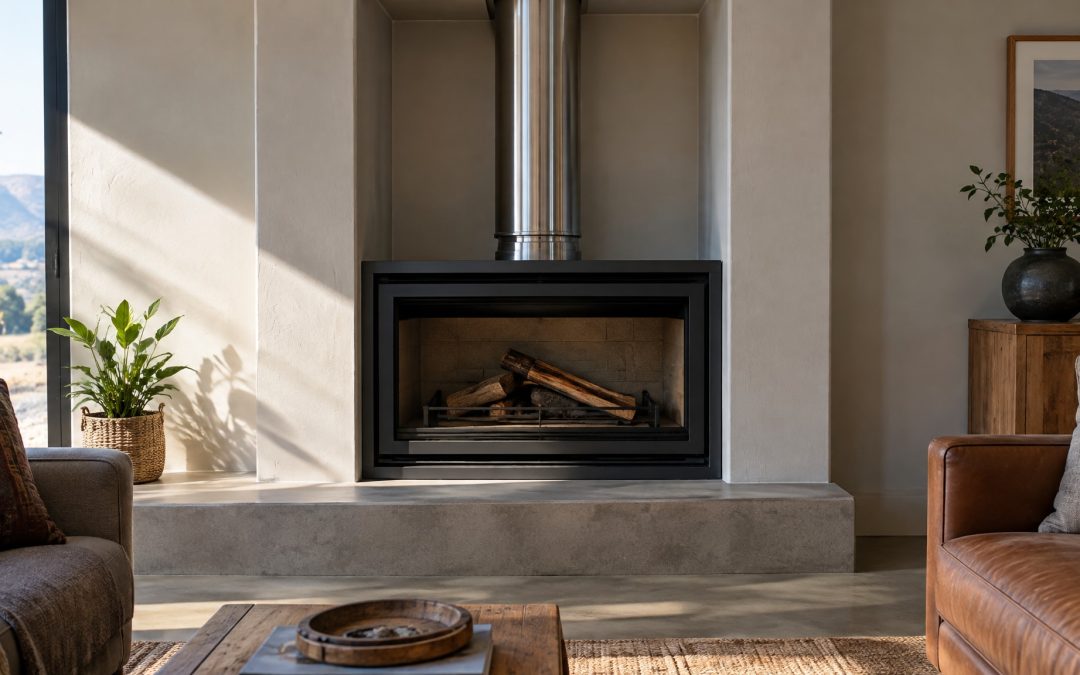
Picture your lounge on the first cold evening of winter: a fire burning steadily behind glass, the room warm right through, and no nasty surprise waiting in the final invoice. That’s the outcome worth planning for. Getting there means understanding built-in fireplace installation cost in South Africa as a whole project, not just the price of the unit.
This guide stays on the part of the bill most people underestimate: labour, flue work, surrounds and the finishing that follows.
What goes into the cost of installing a built-in fireplace
Installation is usually billed separately from the fireplace itself. The total typically stacks up like this:
- The unit, which is the fireplace insert you choose.
- Labour, meaning the time on site and the building work involved.
- The flue, which carries smoke out safely.
- The surround, including any hearth.
- Making good, the plastering, painting and tidy-up once everything is in.
We cover the unit in our guide to the unit price, so this article deals with everything else on that list.
You won’t find fixed rand figures for each line here, and that’s deliberate. Material and labour prices move, and two homes with the same fireplace can end up with very different installation bills because the walls, roofs and chimneys are different.
What you can do is learn which factors push each line up or down. Then any quote you receive makes sense.
Fireplace installation price in South Africa: what labour covers
Labour is priced on time on site and on how complicated the job is. It follows the building work, so the question isn’t really “what does an installer charge?” but “how much has to happen to your wall before the fire can go in?”
What drives labour time
The biggest driver is the opening. If your home already has a masonry opening that can take the unit, the installer is mostly fitting and connecting. If a new recess has to be formed in a finished wall, you’re paying for cutting, framing, building and reinforcing before the fireplace even arrives.
A typical case shows the gap. A closed combustion insert set into an existing masonry opening, served by a chimney that can be inspected and relined, usually involves far less building work than a new opening cut into a finished wall with a fresh flue run.
Other things add hours:
- Access. Carrying a heavy cast-iron unit up stairs or through a tight passage takes more hands and more time.
- The wall build-up. Brick, plasterboard and timber-frame walls each need a different approach, and some need extra protection around the fire.
- Finishing. The more plastering, tiling and painting the job needs, the longer the team stays.
Your own room will sit somewhere on that scale, and knowing where helps you read a quote with confidence.
Why a site visit gives the real number
Firehouse’s own listing for the Dovre 2100S built-in fireplace asks buyers to get in touch for a site visit, so the flue pipe requirements and installation costs can be worked out properly. That tells you something honest about the whole category: nobody can responsibly promise one installed price for a built-in fireplace without seeing the room.
A figure based on photos is a useful starting estimate, nothing more. Photos can’t show what’s inside the wall, how the roof sits above the spot you’ve chosen, or whether the existing chimney is sound.
If you’re budgeting seriously, treat a photo-based number as a rough range and let the site visit set the real one.
Flue installation cost in South Africa: the line that moves most
Flue work is usually the least predictable item on the bill. Route, height, number of bends and the condition of any existing chimney all move the price, and you often can’t know several of them until someone looks.
Route, height and roof work
Here’s how each driver works in plain terms.
Route. The flue can go up through the roof, out through a wall and then up outside, or into an existing chimney. Going through the roof means cutting the ceiling and roof covering. Going through a wall means more pipe and brackets outside. Using an existing chimney can be the simplest route, but only if the chimney passes inspection.
Height. A taller run means more pipe, more supports and more labour, and a double-storey home or a high-pitched roof pushes that further.
Bends. Every bend adds fittings and complexity, and the manufacturer’s instructions limit how many you can have. A straight run is usually cheaper and often performs better.
The top end. Flashing keeps rain out where the flue meets the roof, and the cowl at the top helps the flue draw cleanly. Tiled, IBR and slate roofs each need different flashing work.
Moving the fireplace even a metre or two can change the route entirely, so settle the position before you start collecting quotes.
Reusing an existing chimney and liner
An old chimney looks like a bargain, and sometimes it is. The catch is that an inspection decides whether it can be reused, and that inspection can change your quote in either direction.
If the chimney is sound, a new liner may be all it needs. If it’s cracked, blocked or the wrong size for the unit, relining it properly costs more, and in some cases a new flue run makes more sense.
Don’t assume an old chimney is a saving until someone has looked inside it. This approach also doesn’t suit homes where the chimney has been neglected for years without any checks.
Closed combustion fireplace installation: what changes the job
Closed combustion units are sealed from the room and burn with controlled air, which is why they heat so efficiently. If you want the full picture of the design, here’s our explainer on closed combustion versus open fireplaces.
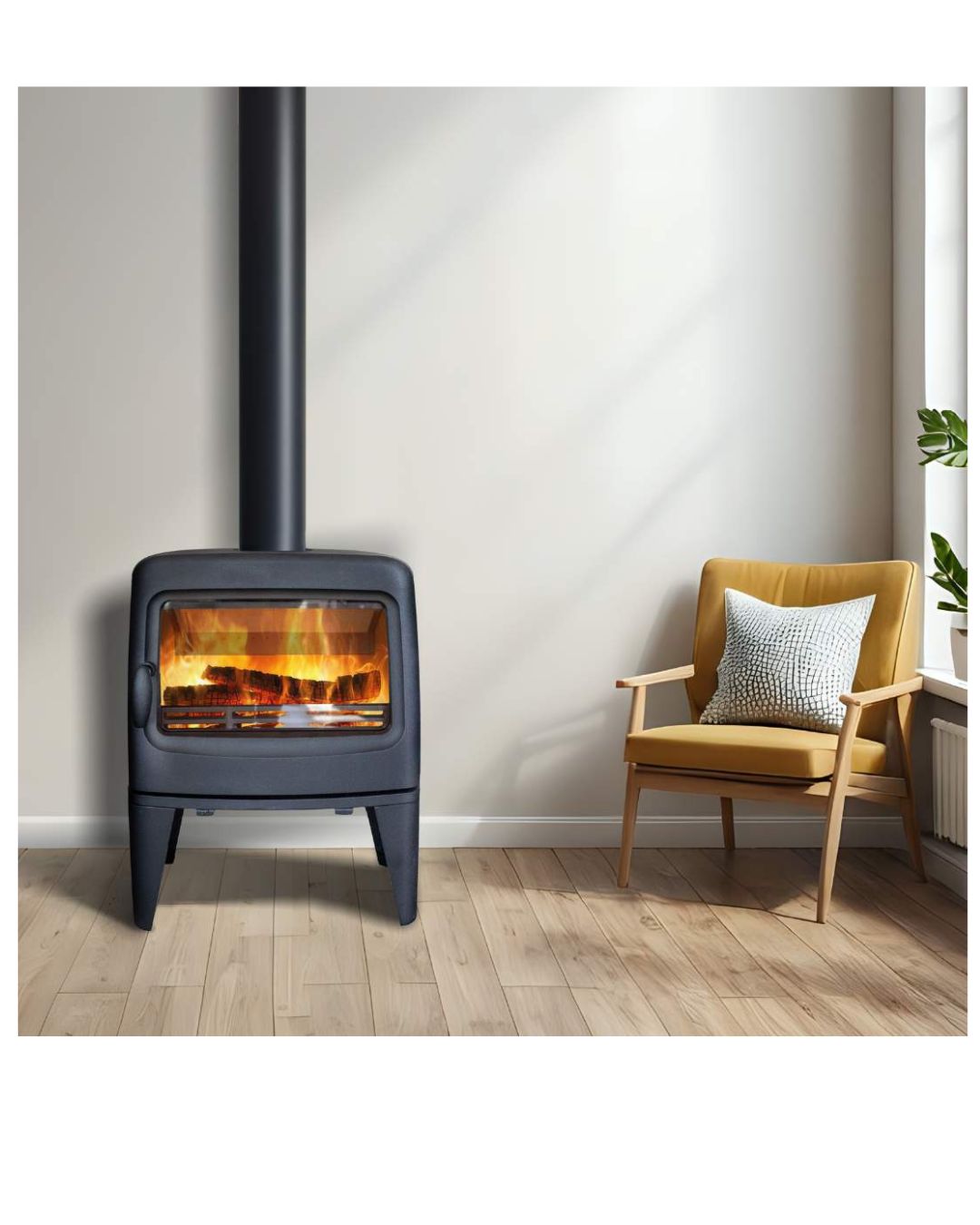
For installation, the key point is that a closed combustion unit has to go in to its manufacturer’s flue, clearance and air-supply specification. That specification sets the scope of the job, and cutting corners on it is exactly what you don’t want when the fire is burning a few metres from your sofa.
Sealed firebox, air supply and clearances
Because the firebox is sealed, the unit relies on the flue to draw properly, so the flue size and type are set by the manufacturer rather than chosen to suit a budget. Some installs also need an outside-air connection, which adds pipe work and sometimes more building work.
Clearances matter too. The instructions state how far the unit and flue must sit from combustible materials such as timber framing, and that can decide how deep the recess needs to be or what protection goes behind and around the unit.
All of this may sound like extra cost, but it’s the reverse. A properly specified install is what lets the unit run safely for years, and it saves you from paying to redo the work.
So use a qualified installer, and check your local building requirements before work begins, because approval rules can differ between municipalities. A good installer will know what your municipality expects and will tell you what’s needed upfront.
Fireplace surround cost: materials, hearth and finishing
The surround is where the fireplace stops being equipment and becomes part of the room. It’s also the line where you have the most say over the cost.
Surround materials and the look you want
Start with the look you want, then see what it does to the bill. Tile gives a clean, modern face and is usually straightforward to fit. Natural stone and brick bring warmth and texture, but they cost more in materials and labour, and stone is heavy. A timber mantel adds a classic touch, though it needs careful clearance from the heat. A plastered finish is seamless and minimal, and it suits a contemporary lounge.
Size matters as much as material. A broad chimney breast clad floor to ceiling in stone costs far more than a compact frame around the opening, even if the fireplace behind is identical.
If you’re still deciding what suits the room, choosing the right fit for your room is a good place to settle that first.
Trim plates, hearths and making good
Some built-in units arrive with a trim plate that covers the gap around the insert. The Bellido Llama Crystal 100 with its trim plate lists a 4-sided trim plate as part of the product, which is a clear example of what “trim included” means. With a unit like that, you’ve already covered part of the finishing.
Not every insert includes one, so check whether any quote covers three things:
- the trim around the unit
- the hearth, where one is needed
- making good, such as plaster repairs and paint after the work
A quote that leaves these out can look cheaper than it really is. You’ll then pay for them separately, often at a time when you least want another conversation about money.
Built-in or freestanding: how the install choice changes the bill
Built-in isn’t automatically the dearer route. If you already have an opening that suits an insert, going built-in can cost less than you’d expect. Where a new recess has to be formed, the building work adds up quickly, and a freestanding unit may be the lighter job.
Open versus closed combustion changes the scope too. So the type you choose is a budget decision as well as a style one. If you’re weighing a freestanding install, freestanding fireplace prices gives the unit-side comparison.
Units that work built-in or freestanding
Some units are made for either route. The NORTHERN FLAME KENNA 65 BUILT-IN/FREESTANDING FIREPLACE is titled for both, so you can choose how it goes in once you’ve seen the room. That keeps the install route open until it’s priced.
It’s worth asking an installer to quote both ways when a unit allows it. The difference often tells you where the real cost sits, whether that’s in the wall, the flue or the finishing.
If your plans include outdoor entertaining as well, a built-in braai and fireplace combo is worth a look before you commit to a layout. We’ve left unit prices out here on purpose, since the unit-price guide covers them.
Budgeting the whole job and booking a site visit
A simple structure keeps the project honest. Build your budget from these lines:
- The unit
- Labour
- The flue
- The surround
- Making good
- A contingency
When quotes come in, put the same questions to every installer. Does the price include the flue route you’ve agreed on? Is making good included, or only the fireplace fitting? Are the trim and hearth covered? Is the flue specified to the manufacturer’s instructions? And will a site visit confirm the figure?
Those answers matter more than the bottom line. A lower total that leaves out the flue or the finishing is usually just a delay of the real cost.
Setting a contingency for hidden work
Every build has surprises, and old walls and chimneys have more than most. A damp patch behind the plaster, a cracked liner or a lintel that needs reinforcing can all appear once work starts.
Put aside a buffer on top of the main budget, sized to what you can comfortably absorb. If you don’t use it, you’ve simply finished under budget. A contingency won’t cover a complete change of plan, though, so settle the position and the flue route before work starts.
Firehouse specialises in premium braais and fireplaces from trusted brands, and every product in the range is hand-picked by industry insiders who know what makes a great fireplace. If you’d like the flue route and surround priced for your own room, get in touch and book a site visit. There’s no pressure. We’d simply rather you had a real number before you commit to anything.
Frequently asked questions
How much does it cost to install a built-in fireplace?
Installation is billed on top of the unit and usually covers labour, flue work, the surround and making good. The total depends on whether you have an existing opening or need a new recess, plus the flue route and surround you choose. A site visit is the only way to get a reliable figure for your home.
How much does it cost to build a fireplace inside a house?
The biggest swing is the building work. An existing masonry opening with a sound chimney costs far less to adapt than a new recess cut into a finished wall with a fresh flue run. Surround material and size, then making good, make up most of the rest.
What are the different types of fireplaces?
The main choices are open or closed combustion, and built-in or freestanding. Closed combustion units are sealed from the room and installed to the manufacturer’s flue, clearance and air-supply specification. Each choice changes the scope of the install, so it changes the budget too.
Can I use my existing chimney for a new fireplace?
Sometimes, but only after an inspection. If the chimney is sound, a new liner may be enough. If it’s cracked, blocked or the wrong size for the unit, relining or a new flue run will cost more.
Do I need approval before installing a fireplace?
Approval rules can differ between municipalities, so check your local building requirements before work starts. A qualified installer will normally know what your area expects and can tell you what’s needed.