
Vent-Free Gas Fireplace Installation Requirements in SA
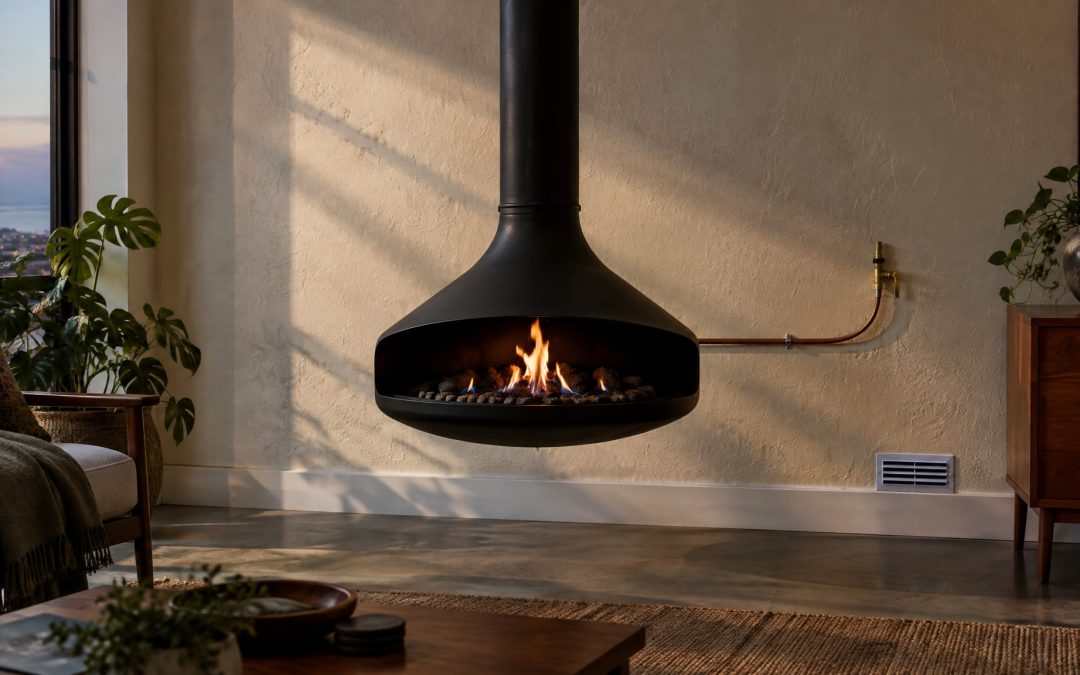
Picture a cold Durban winter evening, a flame going in the lounge, and no one having to knock a hole in the roof to make it happen. That’s the appeal of a vent-free gas fireplace, and it’s why so many homeowners are asking what the installation actually involves.
The short version: it’s simpler than building a chimney, but it isn’t casual. The gas, the room and the clearances all need proper attention. Here’s what to line up before anyone picks up a drill.
What Vent-Free Means for Your Gas Fireplace Installation
A vent-free gas fireplace has no flue or chimney. The unit burns gas and the combustion products go into the room, rather than up and out through a pipe.
That one fact shapes the whole installation. With no chimney to build, the job is driven by two things instead: the gas supply, and the air in the room your fireplace sits in.
Chimney rules don’t apply to a vent-free unit, because there isn’t a chimney. Room ventilation, clearances and the gas connection all still apply, and they carry more weight than they would with a flued fire.
A Gas Fireplace With No Flue: Same Idea, Different Labels
You’ll see these units listed as “no flue”, “flueless” or “ventless”. They describe the same kind of fireplace, so don’t treat them as three different products when you’re comparing options. The Chad-O-Chef Hanging Fireplace, for example, is described as an indoor flueless gas fireplace, and it sits in the same vent-free category as the Infiniti Fires wall units.
One more thing worth saying plainly: braai gas advice doesn’t carry over indoors.
An outdoor gas braai has open sky above it. A fireplace in your lounge has a ceiling, curtains and a sofa, so the rules about air and distance are stricter.
Installation Requirements for a Vent-Free Gas Fireplace in South Africa
Firehouse has specialised in sourcing and selling premium braais and fireplaces from trusted brands since 2018, so the Chad-O-Chef and Infiniti Fires examples in this guide come from a range the team knows in depth. The legal side of installation is the same whichever brand you choose.
Under SANS 10087, gas installations must be carried out by a licensed gas installer. Gas fires are among the installations that need a certificate of conformity once the work is signed off.
Keep that certificate with your home papers. You’ll want it for insurance questions and, one day, when you sell the house.
This guide covers what the installation involves. It isn’t a substitute for your installer’s site assessment, and it isn’t legal advice.
Plumber Versus Licensed Gas Installer
Plenty of homeowners assume a good plumber can connect a gas fire. Being a plumber doesn’t automatically make someone a licensed gas installer, because they’re separate qualifications, and the connection needs the second one.
Ask to see the licence before any work starts. A reputable installer won’t mind, and it takes a minute.
If someone can’t show it, find another installer. A cheaper quote isn’t worth an uncertified gas line running through your lounge, and you won’t get a certificate of conformity for work that wasn’t done by the right person.
Gas Bottle Setup and Gas Type for Your Vent-Free Fireplace
Bottle setup is where most of the practical decisions sit, so it helps to walk through it in order.
The cylinder stands upright, in a spot that’s safe and easy to reach and poses no hazard to people or property. Your installer needs to agree that the position is suitable, so settle it with them rather than after the fact.
Keep it away from heat, direct sun and drains. LPG is heavier than air, so any leak settles low and collects in the places you can’t see.
The installer then fits the regulator and hose, and both must suit the unit and the gas type. Once connected, joints are checked for leaks with soapy water. Bubbles mean a leak. Never use a flame to look for one.
Bottle-Fed Units Like the A.I. Haul
The A.I. Haul vent-free fireplace is listed as running from a 14kg gas bottle, and it comes with a logset and lava rocks. For a model like this, the cylinder’s position becomes part of the installation plan, not an afterthought.
Think about where the bottle will live before you fall in love with a spot for the fire. Can your installer run the hose neatly? Can you reach the cylinder valve without moving furniture? Those answers decide where the unit goes.
LPG or Natural Gas: Matching the Unit to Your Supply
Gas type is chosen when you order, and it has to match the supply your installer connects. The Chad-O-Chef 1210 Flameline is offered for LPG or natural gas, so you pick one on the order form.
Check what’s actually available at your home before you choose. Most homes run on bottled LPG, while some have a natural gas supply, and the unit must be ordered for the one you have.
A Chad-O-Chef installation starts with that match. Get it right on the order and the rest of the job runs smoothly.
Clearances and Wall Fixing: Chad-O-Chef and Infiniti Fires Examples
Every fireplace has a manual, and that manual sets the clearances for that model. Treat those figures as the minimum, never the target, and have your installer confirm them against your actual room.
Clearances to Walls, Furniture and Curtains
Real rooms are messier than a diagram. A sofa gets shuffled, curtains drift, and a vase appears on the mantel.
So add a practical buffer to the manual’s figures for sofas, curtains and décor, and think about how the room looks in daily use rather than on installation day. If a curtain can swing into the heat when someone opens a window, it’s too close.
Flames and heat don’t care how well something matches your colour scheme.
Wall-Mounted Chad-O-Chef and Infiniti Fires Installations
Wall-mounted units are popular because they free up floor space and suit modern rooms. The Symphony wall-mounted gas fireplace from Infiniti Fires is listed as bolting to the wall and connecting to a gas supply, with no messy or costly building work. The Picasso Wall Hanging Gas Fireplace, also from Infiniti Fires, is designed to be fitted at the height of a piece of art, and it’s listed with the same promise of no messy or costly building work.
On the Chad-O-Chef side, the Chad-O-Chef Hanging Fireplace (Vent-Free Gas) is the wall example, and it’s described as suiting a living room, dining room or indoor entertainment area.
“Bolts to the wall” still depends on the wall. It has to carry the unit’s weight, and plasterboard may need extra support behind it before anything is fixed.
Plan the gas run at the same time as the fixing point. Where the pipe enters, and how it reaches the unit, is easier to settle before the wall is drilled than after.
Room Size, Ventilation and Humidity Without a Flue
Without a flue, your room becomes the ventilation system. It needs enough air volume for the unit, and it needs fresh-air provision, which your installer assesses on site.
A tightly sealed room is the one to avoid. If you’ve weatherstripped every gap in a small study, a vent-free fire probably isn’t the right fit there.
Ventilation When There Is No Chimney
Good ventilation doesn’t mean a draughty room. It means the room can bring in fresh air while the fire burns, and your installer will tell you how much provision is needed and where it should go.
Humidity is worth knowing about, especially along the coast. LPG combustion can leave condensation on windows in humid homes, so if your windows already steam up in a Durban summer, mention it when you speak to your installer.
If a room simply can’t be ventilated well, a flued option makes more sense. This closed combustion fireplace for a small room guide is a good place to weigh that alternative.
Sizing the Unit to the Room
Listed coverage is a guide, and it’s a good one. The Chad-O-Chef Hanging Fireplace (Vent-Free Gas) is listed to heat areas of up to 44m² or 144m³, and it quotes both area and volume, so ceiling height matters as much as floor space.
Match the unit to the room from there. The Chad-O-Chef Contemporary Fireplace suits spacious rooms, while the Chad-O-Chef Drop-in Fireplace is listed for large open spaces. The Chad-O-Chef 1210 Flameline is listed for medium to large open spaces, up to 489m³, and comes in three sizes with different heating capacities.
Bigger isn’t automatically better. A unit far larger than your room will overheat it and use more gas than you need, which is why it helps to talk through the room before you order.
If you’re still deciding between vent-free and flued, our guide on how to choose a fireplace for your home lays out the trade-offs.
Vent-Free Fireplace Safety: What to Watch For
Vent-free designs generally rely on an oxygen depletion safety shut-off, which turns the fire off if the room’s oxygen drops. Your model’s manual has the detail on how its system works, so read it properly.
That shut-off doesn’t replace common sense. Fit a carbon monoxide alarm in the room, and keep ventilation in place, because good airflow is part of how a vent-free fireplace stays safe.
Know the warning signs:
- A yellow or lifting flame
- Soot on the unit or the wall around it
- Any smell of gas
If you notice any of these, shut the gas off at the supply and call your installer. Don’t relight the fire to see whether it clears.
Treat bedrooms and bathrooms as off-limits unless your installer confirms the room is suitable. These are small, often closed rooms where people sleep or shut the door, so the installer’s say-so comes first.
Before You Book: A Checklist for Your Installer
A short bit of prep makes the installer’s visit quicker and the quote more accurate. Before they arrive, gather these:
- Wall type and fixing point: brick, plasterboard or something else, and where the fire will hang or sit
- Room size and ventilation: floor area, ceiling height, windows, doors and any vents
- Gas type and cylinder spot: LPG or natural gas, and where an upright bottle could stand
- The model you’ve chosen: or the two you’re torn between
Once you’ve got those details, send them to the Firehouse team. Whether you’re in Durban, Umhlanga, Westville or anywhere else across our KZN service area, tell us your room size, wall type and gas supply, and we’ll recommend a Chad-O-Chef or Infiniti Fires unit that suits the room.
There’s no pressure in it. You’ll simply have someone who knows these fireplaces well on your side before you commit.
Then book a licensed gas installer for the connection, and ask to see their licence. If you’d like more background on how these units work, our full vent-free gas fireplace guide covers it.
Frequently asked questions
What are the rules for LPG gas in South Africa?
Gas installation work has to be done by a licensed gas installer under SANS 10087, and a gas fire needs a certificate of conformity once the job is signed off. The cylinder must stand upright in a safe, easy-to-reach spot that your installer agrees is suitable. The regulator and hose must also suit both the appliance and the gas type.
What are the requirements for a ventless gas fireplace?
You need a licensed gas installer, a certificate of conformity, a gas type that matches your supply, and clearances taken from the model’s manual. Because the unit has no flue, the room also needs enough air volume and fresh-air provision, which your installer assesses. A carbon monoxide alarm in the room is a sensible addition.
Can a plumber install a gas fireplace or gas geyser?
Only if they are also a licensed gas installer. Being a plumber doesn’t automatically give someone that licence, because gas work is a separate qualification. Ask to see the licence before any work starts, since without it you won’t get a valid certificate of conformity.
Do chimney regulations apply to a vent-free gas fireplace?
No, because a vent-free unit has no chimney or flue to build. The rules that still apply are room ventilation, clearances to walls, furniture and curtains, and the gas supply. If your room can’t be ventilated well, a flued closed combustion fireplace is the better choice.