
Closed Combustion Vs Open Fireplace South Africa: Which Is Right?
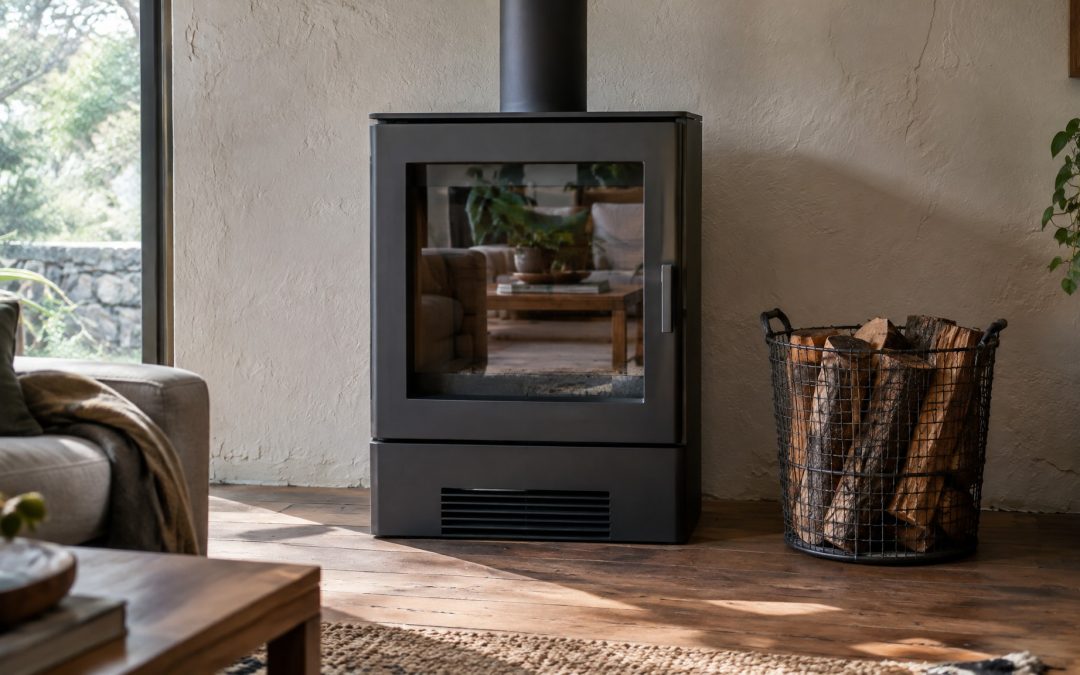
South African winters demand more than a flickering flame. They demand real warmth that lasts through the long, cold nights. The nostalgia of an open hearth is undeniable, but a lot of homeowners are finding out that traditional fireplaces don’t heat modern living spaces well or safely. The choice between a closed combustion fireplace and an open fireplace in South Africa comes down to this: do you want decorative ambiance, or a heating appliance that respects your fuel budget and your indoor air quality?
We put this comparison together to help you look past the aesthetics and understand the engineering that actually makes a difference in your home. Firehouse has hand-picked every fireplace in this range based on years of experience with South African homes, so each unit answers local heating needs rather than some generic international standard. That’s what lets us point you toward a stove that works for your specific space, instead of just selling you a box of steel and glass.
Understanding Heat Efficiency in South African Homes
The real difference in performance comes down to how each system handles airflow and heat transfer in your living space. An open fireplace works like a vacuum, pulling heated air from your room up the chimney along with the smoke. Often the result is net heat loss despite the flames in front of you. You’ll feel warmth directly at the fire, but the rest of the house cools down as the open hearth draws unconditioned outside air into the room to keep the fire burning.
Why Open Hearths Lose Most of Their Warmth
An open fire needs a strong draft to keep smoke out of the room, and that draft carries off most of the energy the fire generates. Typical open hearths hit efficiency ratings of only 10% to 20%. Most of the wood you buy goes up in smoke without ever warming your home. That inefficiency forces you to burn far more fuel just to stay comfortable, which is exactly the cycle of high consumption and low return that frustrates so many South African homeowners through peak winter.
How Closed Combustion Technology Retains Heat
Sealed combustion chambers change this by controlling the burn rate and capturing heat that would otherwise escape. The Canterbury stove uses a twin baffle system that recycles the initial smoke and keeps burning it before it’s expelled, which is the secondary burn technology an open fireplace simply doesn’t have. That process pulls extra thermal energy out of gases an open fire would just vent, pushing efficiency above 80% and turning your fireplace into a genuine primary heat source rather than a decoration.
Closed systems also keep the combustion air separate from your room air, so the fire never steals warmth you’ve already paid to generate. Instead, they radiate heat steadily through convection and radiation, holding a consistent temperature without the aggressive drafts you get from a traditional masonry fireplace. That matters whether you’re heating a well-insulated modern home or a draughty older property where every joule counts.
Safety and Indoor Air Quality Comparisons
Beyond efficiency, the sealed design of these units changes the safety picture for wood heating at home. You want to know your fireplace won’t compromise your family’s health or become a fire hazard while everyone’s asleep.
Controlling Smoke and Spark Risks
Open fires are unpredictable. They can spit embers onto carpets or let smoke drift into the room the moment the wind shifts outside. A closed combustion unit takes those variables off the table behind tempered glass, containing sparks and keeping combustion byproducts sealed in the firebox until they exit through the flue. That containment matters a lot in households with kids or pets, since the glass barrier stops direct contact with live coals and keeps rogue embers from landing on nearby furniture.
Oxygen Depletion and Ventilation Requirements
Indoor air quality takes a hit when an open fire pulls oxygen out of the living space, which can lead to stuffiness or, with poor ventilation, dangerous carbon monoxide buildup. Closed systems draw air either from outside or through controlled vents, which protects your indoor atmosphere and avoids the negative pressure problems open hearths create. Many modern units also build in glass cleaning airflow, which keeps the view clear and helps manage internal temperature at the same time, without you having to do anything.
This separation of combustion air and living space means you can run a fire overnight without worrying about oxygen depletion or smoke finding its way into the room. It turns the fireplace from something you have to supervise into a reliable appliance that fits modern building standards and the way people actually live.
Top Closed Combustion Fireplaces for Every Budget
What you choose depends on your room’s size, your taste, and your budget. We’ve grouped our top picks so you can see which model fits your heating needs and the look you’re going for.
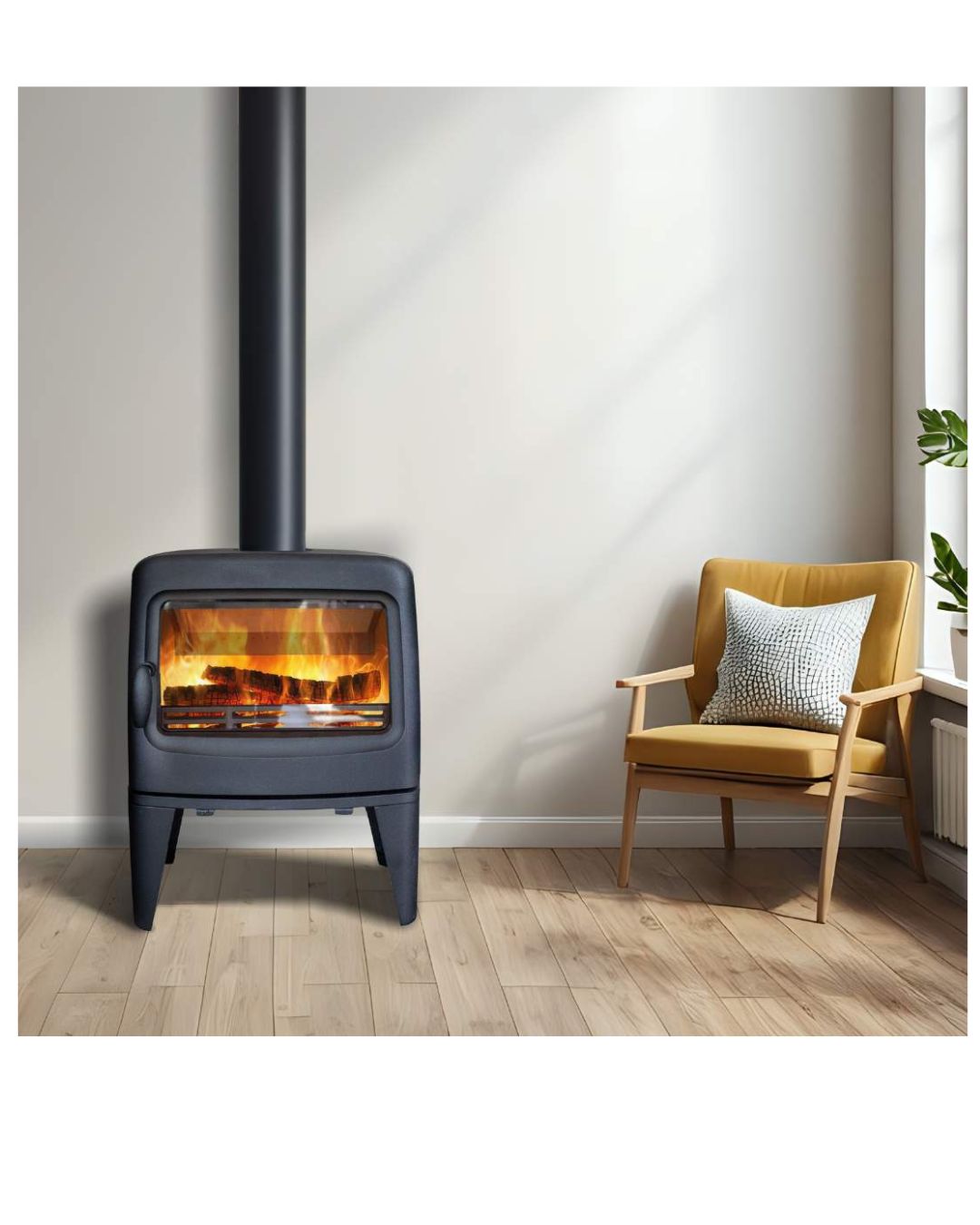
Entry-Level Efficiency: Canterbury and Vitoria S
A smaller space doesn’t mean you have to give up performance, as long as you pick a unit built for that volume. The Vitoria S has a vermiculite-lined interior and built-in glass cleaning airflow at 7.1kW output, a good example of how modern steel construction delivers both efficiency and convenience. At around ZAR 14,995, it’s a solid entry point if you want reliable heat in a small to medium room without the bulk of a larger stove.
The Canterbury is another strong option at around ZAR 13,995, bringing secondary burn technology into an accessible price bracket. Its steel body and cast iron door suit a range of home styles, and the twin baffle system gets the maximum heat out of every log. For detailed cost planning around this tier, our Calore fireplace budgeting guide breaks down what to expect when you invest in these efficient entry-level models.
Mid-Range Versatility: Home Fires R0803 and Dovre 325 CBS
Moving up in capacity opens the door to more versatility and higher output for medium-to-large rooms. The Dovre 325 CBS hits 81% nominal efficiency at a 5kW output, and it’s suited to heating areas up to 140m³ without wasting fuel up the chimney. Its square firebox and subtle curves give it a contemporary look that suits modern interiors, and the external air connection option makes it workable in tightly sealed homes.
If you need fuel flexibility, the Home Fires R0803’s multifuel capabilities let you burn wood and approved solid fuels in the same unit. At around ZAR 16,790, its spacious firebox takes larger logs and delivers 7–9kW through a thick steel body and thermo-refractory linings. That adaptability suits anyone who wants options beyond timber, especially where alternative fuels are cheaper or easier to come by.
Premium Performance: Chester, Dovre Tai55 WD, and Saga 107
A larger living space needs real output without losing the refined feel you expect from a premium stove. The Chester, a full cast-iron stove, delivers 10–14kW output at 81.3% nominal efficiency, proof that high output doesn’t have to come at the cost of performance. Its cast-iron body holds heat longer after the fire dies down than a steel stove can, for around ZAR 29,900.
The Dovre Tai55 WD carries that same reputation, with an 11kW nominal output and sober lines that anchor a sophisticated living room. At around ZAR 42,920, it’s a real investment, one backed by decades of reliable service and strong heating dynamics. The Dovre Saga 107 sits in the same premium tier at around ZAR 36,810, with its own distinct look for anyone set on top-tier Norwegian engineering. If you’re weighing up these higher-end options, our Dovre pricing and model breakdown goes deeper into what sets each variant apart.
Fuel Flexibility and Burning Control
Not every closed combustion fireplace takes the same fuel, and knowing the difference saves you an expensive mistake. Standard wood-burning units like the Dovre and Calore ranges are built specifically for timber, with grates and airflow designed around log combustion. Multifuel units like the Home Fires R0803 come with adjustable grates and ash management that handle coal or briquettes too, which gives households with different fuel access more to work with.
Airflow management is what sets modern closed systems apart from what came before, giving you real control over burn rate and temperature. Adjustable primary and secondary air controls let you dial the fire down for overnight burns that last eight hours or more, something an open hearth simply can’t do. That control means real fuel savings, since you’re matching output to actual heating demand instead of running flat out all the time.
Learning to work the controls takes a few days, but the payoff is predictable heat and less wood burned. Throttling the fire properly means you use less fuel across a winter, which chips away at that higher upfront price over time.
Installation Considerations for SA Properties
Good installation is what decides whether your fireplace performs the way it’s rated, or becomes a constant headache. Flue sizing has to match the manufacturer’s specs exactly. An undersized chimney causes poor draft and smoking, while an oversized one won’t hold enough flue gas temperature for safe operation. Clearances to combustible materials differ a lot between models, and freestanding units generally need less structural work than built-in ones.
A freestanding stove gives you placement flexibility and an easier retrofit, which is why it’s popular for renovations where you want to avoid major construction. A built-in unit looks seamless architecturally, but it needs careful planning around cavity size, insulation, and ventilation paths. Before you commit to a built-in, have a look at our real budget for built-in installations to understand the full scope of work beyond just the price of the unit.
South African building regulations require compliance with SANS standards for solid fuel appliances, particularly around floor protection and ceiling penetrations. Working with certified installers keeps your warranty valid and your insurance intact, protecting the investment you’ve made.
Long-Term Value and Maintenance
A closed combustion fireplace still needs upkeep, but it makes that upkeep predictable in a way an open hearth never is. You’ll empty the ash less often, since complete combustion leaves little residue, and many models come with a dedicated ash tray that keeps disposal mess-free. Glass needs cleaning now and then, though a modern airwash system cuts soot buildup a lot when the fire runs at the right temperature.
The higher upfront cost of a closed unit pays off through much lower fuel bills over its life. Where an open fireplace might burn four to five times more wood for the same perceived warmth, a sealed system stretches your fuel budget a long way. That matters more as wood prices move, which makes efficiency as much a financial hedge as an environmental one.
How often you service it depends on how hard you use it and the fuel quality, but annual servicing covers most moderate users. Replacing door seals, checking baffles, and sweeping the flue are simple jobs that keep performance and safety intact for decades, unlike an open fireplace, which often needs real masonry repair work over time.
Choosing the Right Fireplace for Your Lifestyle
Your decision should reflect how you actually live, not how you picture living with a fireplace. If you host big gatherings, you’ll probably want visual impact and fast heat, which points you toward a premium model like the Chester or the Dovre Tai55 WD. If you’re after background warmth all winter, an efficient mid-range unit that runs economically for long stretches without much attention suits you better.
Room size is the one thing you can’t get around. An oversized unit overheats a small room and forces you to damp it down, which kills the efficiency you paid for. An undersized stove in a big space never reaches proper operating temperature, which leads to creosote buildup and a fireplace that disappoints. Have a look at our guide on how to choose the right fireplace fit if you’re not sure how to match output to your room’s volume.
Firehouse recommends these seven models because they’ve proven themselves across distinct categories, not because they’re simply what we happen to stock. Each one has earned its place through real performance in South African conditions, backed by manufacturers who support their products here. When you’re ready to talk through your specific situation, reach out, and we’ll work from your home’s layout and your family’s heating habits, not a generic script.
Frequently Asked Questions
Can I convert my existing open fireplace to closed combustion?
Yes, many open fireplaces can accommodate a closed combustion insert, but the existing chimney must be lined and inspected for structural integrity first. The conversion typically costs less than a full new installation while delivering similar efficiency gains. Always verify compatibility with a qualified installer before purchasing an insert.
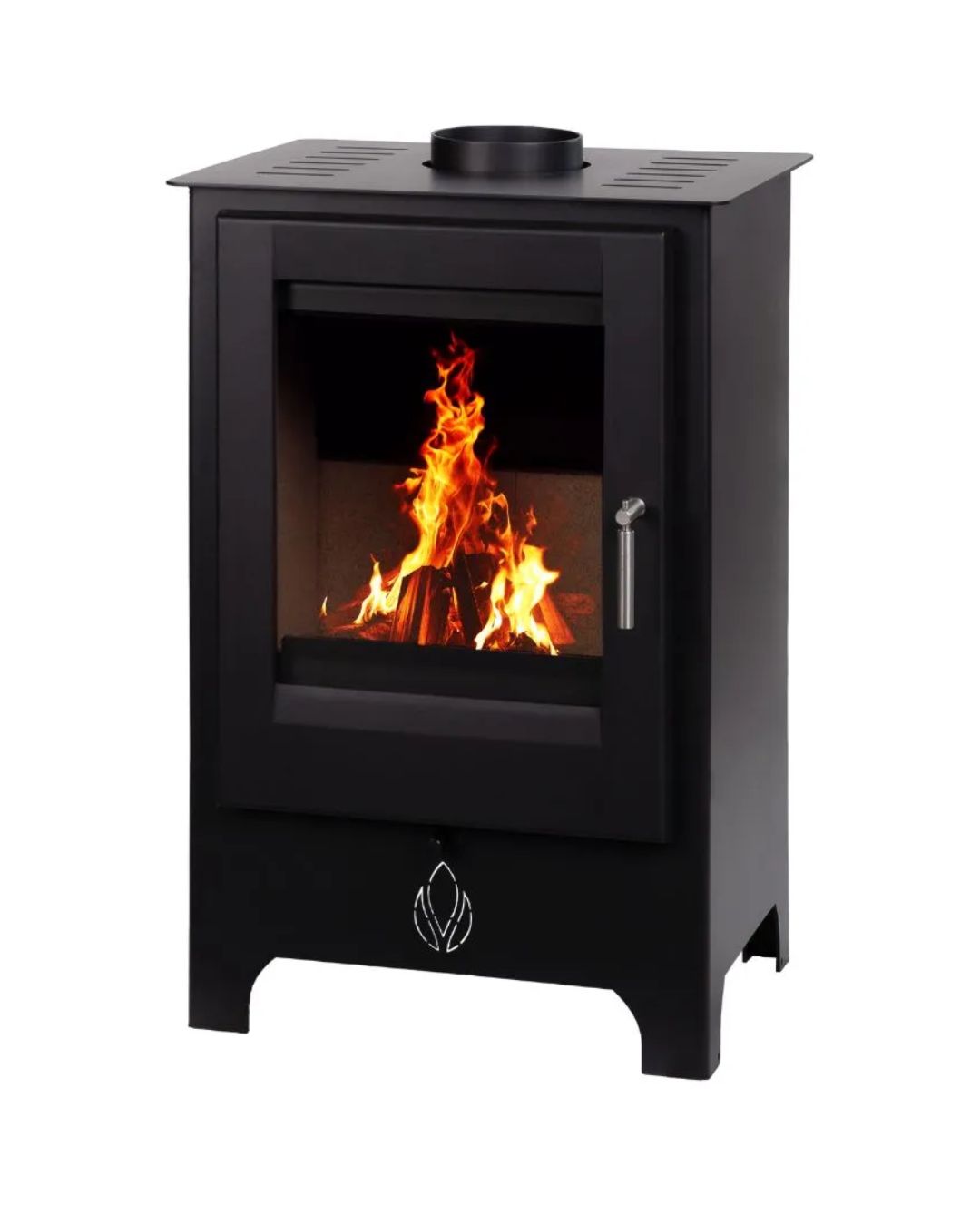
How often do I need to clean the glass on a closed combustion fireplace?
With proper operation and dry wood, modern airwash systems keep glass relatively clear, requiring cleaning only every few weeks during heavy use. If you notice rapid sooting, the fire is likely running too cool or the wood is too wet, indicating an operational issue rather than a maintenance failure. Use only approved glass cleaners to avoid damaging the ceramic surface.
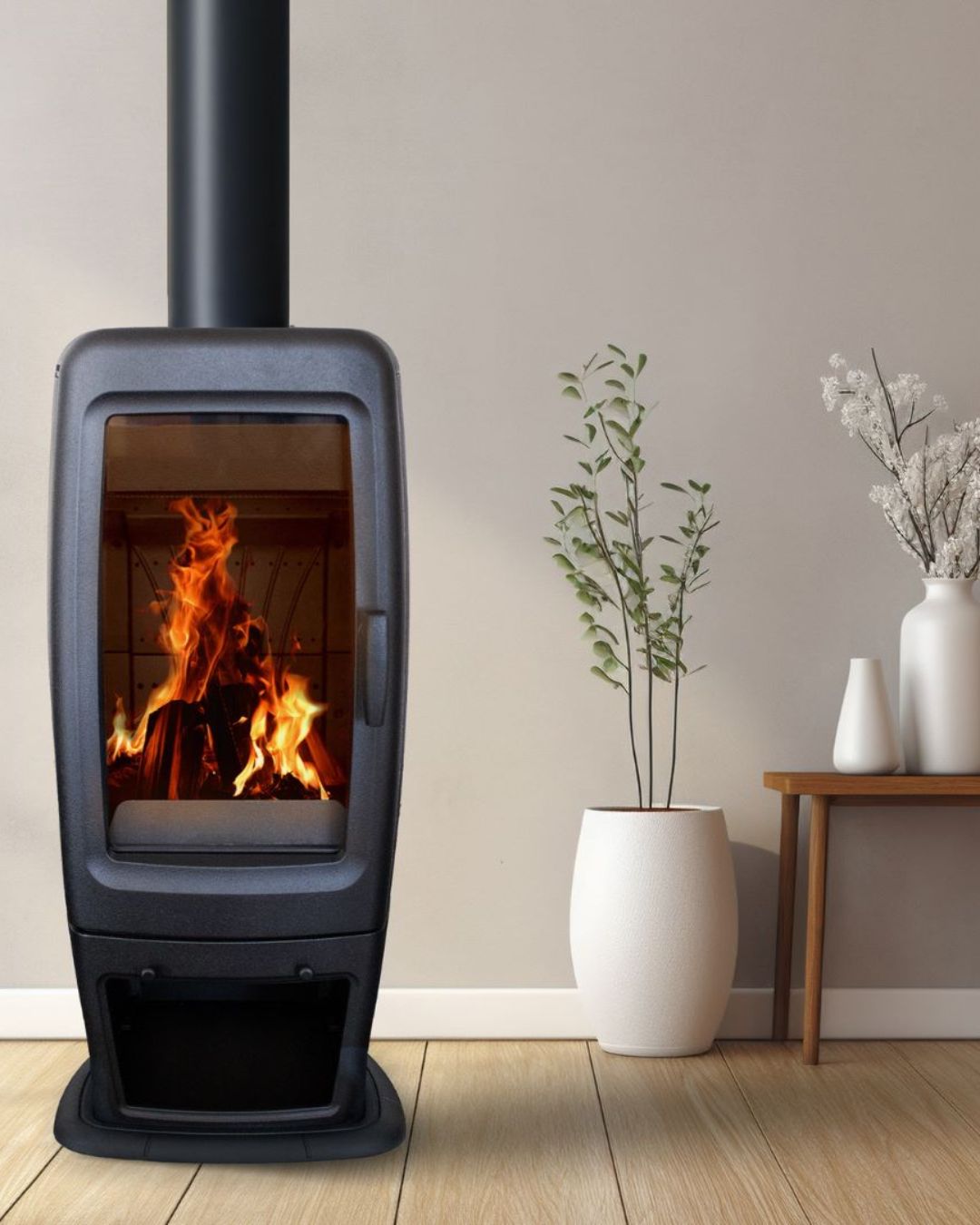
Do closed combustion fireplaces work during load shedding?
Absolutely, as purely mechanical appliances they operate independently of electricity and provide reliable heat during power outages. This independence is one of their key advantages over electric or gas alternatives in the South African context. Just ensure you have adequate natural light or battery lighting for safe refueling during dark periods.
What moisture content should firewood have for closed combustion units?
Wood must be seasoned to below 20% moisture content for efficient, clean burning in any closed combustion system. Wet wood causes excessive creosote buildup, reduces heat output dramatically, and fouls glass quickly regardless of the stove’s quality. Invest in a moisture meter or buy from reputable suppliers who guarantee kiln-dried or properly seasoned timber.