
Freestanding Fireplace Price South Africa: What to Budget
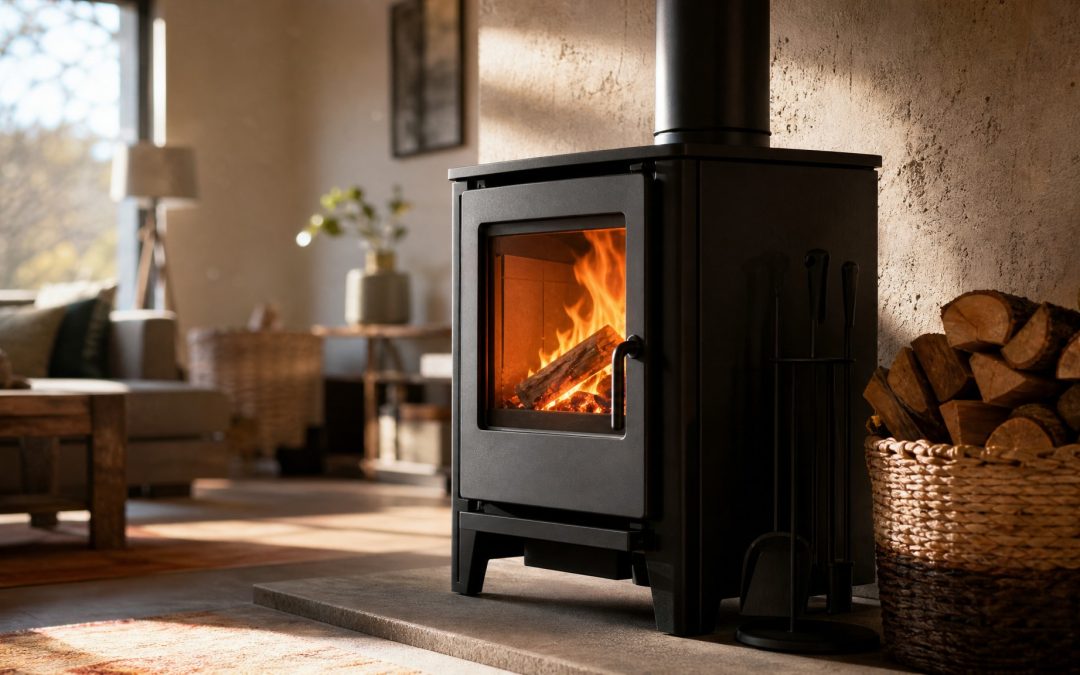
Shopping for a new heating unit takes more than comparing showroom tags, especially when you’re trying to set a realistic budget for your home. Freestanding fireplace prices in South Africa vary a lot, depending on whether you need a primary heat source for a chilly Highveld winter or just want ambient flame effects for evening entertaining. That distinction, more than brand or fuel type, drives the biggest gaps in quoted costs. True heating units need higher manufacturing standards than units built purely for ambiance, and the price tag shows it.
A cheap freestanding fireplace might solve an immediate aesthetic need, but it often lacks the thermal efficiency to actually warm a living space during load shedding or a cold snap. Understanding the real cost of ownership helps you avoid buyer’s remorse, so your investment delivers comfort for years rather than a few months. This breakdown covers what you’ll actually pay for wood, gas, and electric options.
Understanding Freestanding Fireplace Cost Ranges in SA
The market for freestanding units spans entry-level decorative appliances right up to high-performance heating machines built for serious cold. Specific figures move with exchange rates and stock availability, but the tiers themselves are consistent, and they track material quality, brand reputation, and verified heating capacity. Entry-level electric models sit at the bottom of the price band and work well as supplemental heaters. Mid-range steel wood burners and standard gas units form the core of the residential market. Premium cast iron wood stoves and high-efficiency gas fireplaces sit at the top, and their heat retention and longevity justify the higher outlay.
Reputable retailers price their units around tested performance, not the speculative specs you’ll find on unverified imports. That’s the whole idea behind how Firehouse curates its range: every unit is hand-picked and tested for South African conditions, so the price reflects verified performance rather than a spec sheet written for a different climate. This matters because a unit rated for European insulation standards can struggle in a drafty South African room. A cheaper unit like that ends up costing more per degree of heat it actually delivers.
Freestanding Wood Fireplace South Africa: Pricing Factors
Wood stays popular because it doesn’t depend on the grid, and it creates an atmosphere gas and electric can’t quite match. But the freestanding wood fireplace cost depends heavily on construction and installation, not just the stove itself. Base prices cover the unit alone, and the final number shifts based on the configuration your home needs. Buyers who focus only on the sticker price of the combustion chamber tend to underestimate the total project cost until the installation quote lands.
Steel vs Cast Iron Construction Costs
Material choice shapes both the upfront price and how your wood burner behaves once it’s lit. Steel units cost less to manufacture and buy, which makes them a good fit for holiday homes or spaces where quick heat-up matters more than steady warmth. They respond fast to fire and cool down fast once the flames die, fine for occasional use but less stable if you’re relying on it as your main heat source.
Cast iron units typically hold heat longer after the fire dies down, which is why they carry a higher price for homes in colder regions. Casting is more labour-intensive, the material is heavier, and both push manufacturing and transport costs up. But that thermal mass works like a heat battery: it keeps radiating warmth for hours after you’ve stopped adding logs, which improves fuel efficiency and keeps the room comfortable through the night.
Flue and Installation Add-Ons
The combustion unit is only part of the budget for a freestanding wood fireplace. Flue piping, roof flashing, cowls, and ceiling plates are mandatory, and their cost depends on your roof type and how far the stove sits from the ridge. A double-wall insulated flue system costs noticeably more than single-wall piping, but it’s often required for safety and compliance when the flue passes through ceilings or walls.
Installation labour is the other variable showrooms rarely include in their displayed prices. A core-drilled concrete roof or a multi-story void needs specialised equipment and a certified installer, which pushes costs above a standard ground-floor setup. Always ask for a site-specific quote. A generic installation fee won’t cover your actual structure.
Freestanding Gas Fireplace Price Breakdown
Gas gives you convenience and instant heat control, but understanding the freestanding gas fireplace price means separating the appliance cost from the infrastructure that runs it safely. The upfront price of a gas unit often looks competitive next to a wood burner, until you add ventilation kits, gas lines, and the compliance certificates the installation legally requires. For a deeper technical comparison of available models, our complete guide to gas fireplaces covers efficiency ratings and output specs across current ranges.
Unit Cost vs Running Expenses
Higher-efficiency gas fireplaces cost more upfront but burn less LPG or natural gas per kilowatt of heat. Budget models with lower efficiency ratings look attractive at purchase, then burn through fuel faster and get expensive to run over a long winter. Work out your likely monthly running cost against local fuel prices and how much you’ll actually use it, and think in terms of five years, not one.
Balanced flue systems cost more upfront, but they draw combustion air from outside instead of pulling warm room air up the chimney, which is a real efficiency gain. Because these sealed systems cut heat loss and protect indoor air quality, they’re worth the extra spend in a primary living area. Open-flued gas fires are cheaper to buy, but they waste enough energy that the initial saving can disappear into higher fuel bills.
Ventilation Requirements and Safety Compliance
Safety regulations for gas installations in South Africa aren’t optional, and they directly affect your final budget. Installations must comply with SANS 10087-1, which means a proper quote already includes certified gas practitioner fees and mandatory leak testing. Skipping that voids your insurance and creates a real safety risk, so never accept an installation offer that leaves out certification.
Ventilation matters just as much: adequate air supply is critical for safe gas combustion in modern, sealed homes. Ventilation requirements explained shows how room volume dictates vent size and placement, both of which installers have to price into the job. Retrofitting ventilation into an existing structure can mean masonry work or window changes, and those costs tend to show up unannounced.
Electric Options: Affordable Heating Alternatives
Electric freestanding fireplaces are the easiest entry point if you want ambiance without a complex install or fuel storage. Unit prices sit well below wood or gas, and plug-and-play operation skips professional installation fees altogether. These work best as supplemental heaters in a bedroom or study, backed by a primary heat source elsewhere in the house.
They won’t heat a whole home, and they won’t run during a power outage, so treat electric as a comfort add-on rather than a primary heating plan. Check that your existing circuits can handle the extra load before you buy. Older wiring sometimes needs upgrading to stop breakers tripping, and a higher-wattage model may need its own dedicated circuit, which brings in an electrician’s fee and narrows the gap between electric and entry-level gas.
Hidden Costs Beyond the Sticker Price
Budgeting properly means planning for costs that show up after you’ve chosen your unit. Professional installation, annual servicing, and replacement parts are the backbone of safe fireplace ownership, and they protect your warranty too. Skip them and you risk early equipment failure, plus safety hazards that cost far more than the money you saved.
Professional Installation Standards
Certified installation protects your household and keeps your manufacturer warranty intact. Manufacturers routinely reject claims tied to unqualified installs, which leaves you covering repair costs that proper workmanship would have avoided. Paying for accredited technicians upfront buys peace of mind, and it means your unit performs to its rated specification.
Maintenance and Service Intervals
Gas fireplaces need annual servicing by a qualified practitioner to stay safe and keep their warranty valid. During these visits, technicians clean burners, test safety valves, and check ventilation integrity, catching small issues before they turn into dangerous ones. Wood stoves need regular flue cleaning and gasket replacement to stay efficient and avoid chimney fires. Electric units just need the dust cleared from internal components now and then, so they don’t overheat.
Finding Value: Cheap Freestanding Fireplace South Africa vs Premium
Cutting the upfront spend is tempting, but telling real value from false economy takes a longer look than the price tag allows. A cheap freestanding fireplace often uses thinner materials, comes with no local technical support, and has no guaranteed supply of spare parts. When a component fails on an unsupported import, the whole unit tends to become disposable waste instead of something you can repair.
Where Budget Models Compromise
Lower-priced units get their cost advantage from thinner material, simpler air-wash systems, and minimal safety certification. Thin steel warps under repeated heating and cooling, which makes doors seal badly and glass crack early. Poor combustion design builds up more creosote in the flue and pulls less usable heat from every kilogram of wood, which pushes up both maintenance and fuel costs over time.
Long-Term Value of Curated Brands
Brands backed by local distributors tend to last for decades, because they’re designed to be repaired and their parts stay in stock locally. Jetmaster has a proven track record in South African homes, and Jetmaster fireplace budgeting shows how paying for recognised quality pays off in durability and resale value. Local support means you can replace a baffle plate or a door rope years down the line, instead of scrapping the whole unit.
Planning Your Purchase with Expert Guidance
Matching a fireplace to your room volume and lifestyle avoids the kind of costly mistake no amount of adjustment fixes afterward. An oversized unit overheats a small space and forces you to choke the airflow, which causes smouldering and a build-up of soot. An undersized one runs flat out without ever reaching a comfortable temperature, burning fuel and wearing out its own components in the process.
Talking to someone who understands local building quirks helps you land on a unit sized right for your actual heating needs. Before you commit to a purchase, our guide on choosing the right fireplace fit is worth a read, so your expectations match what the unit can actually do. Get the sizing and the budget right together, and the satisfaction lasts well past the first winter.