
Napoleon Braai South Africa: Models, Pricing & Where to Buy
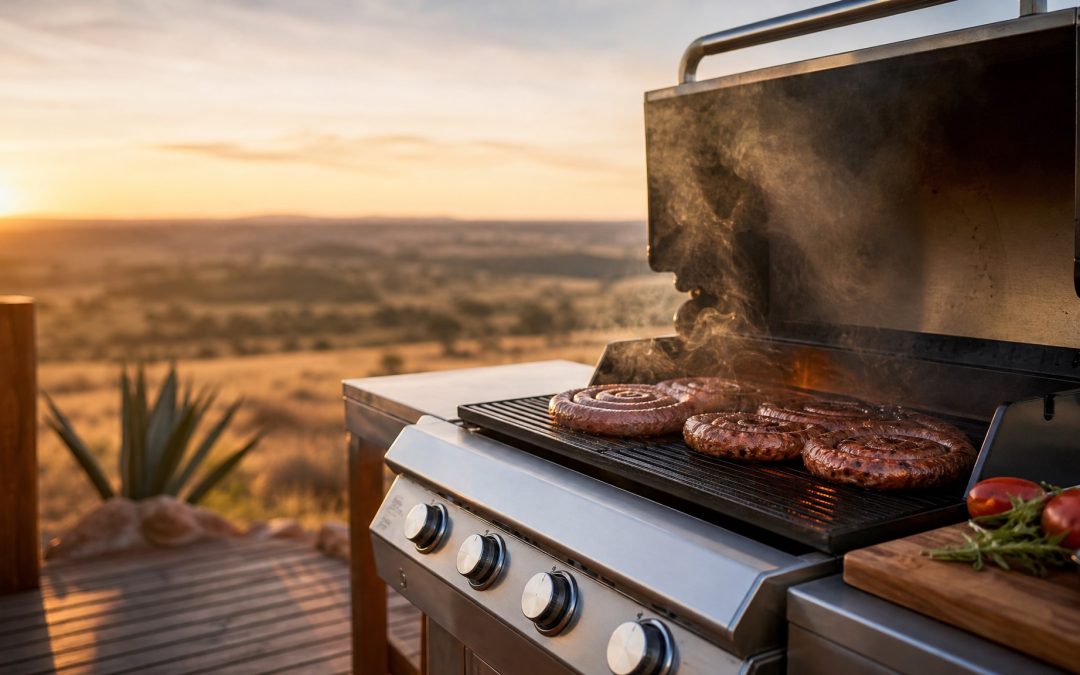
Choosing a premium outdoor cooking appliance in South Africa means looking past the glossy brochures. What matters is how the thing performs in our climate, at our braais, over years of use. A Napoleon braai is a distinct category of gas grilling: high direct heat and heavy stainless steel construction, rather than the indirect convection cooking you’ll find on many other premium brands. That distinction matters when you’re searing boerewors or roasting a leg of lamb on a windy Highveld afternoon. The engineering behind these units answers local problems that generic international spec sheets simply don’t address.
Firehouse curates its Napoleon range specifically for South African entertaining habits. We prioritise models with high heat output for large-format roasting over the compact urban variants you’ll see overseas, because that’s what bridges commercial-grade durability with everyday residential use. It’s a lineup built for homeowners who want restaurant-level results without running a restaurant kitchen. If you’re still weighing fuel types before committing to a premium gas unit, our gas versus charcoal comparison covers flavour and convenience in more depth.
Why Napoleon Braais Stand Out in the South African Market
The local market is full of gas grills that look impressive in a showroom and deteriorate fast under UV and coastal salt air. Choosing a unit built for longevity isn’t a preference here, it’s a financial call. You need equipment that holds together through a Highveld summer and a sudden winter storm, which is why material grade and assembly quality should drive your decision more than the feature list.
Premium Build Quality for Local Conditions
Napoleon’s patented JETFIRE™ ignition system is designed to light burners instantly, even in the wind you get on the Cape Town or Durban coastline. That reliability matters on a gusty spring evening when the last thing you want is a dead piezo igniter between you and dinner. The heavy-gauge stainless steel used in the critical components resists the corrosion that eats lesser alloys in our humid coastal air, so the unit keeps working, and looking good, for decades.
Premium stainless steel grates on the higher-tier models typically carry a lifetime warranty against rust-through. That addresses the single biggest failure point for braais in humid South African climates, and it’s a real signal of how much confidence the manufacturer has in its own material sourcing. Your investment shouldn’t need replacing just because the coast got to it first.
Key Features That Justify the Investment
High-BTU main burners deliver the intense direct heat that real South African braaing needs, and that’s what separates these units from lower-output appliances built mainly for slow American-style barbecue. The infrared side burners on select models add versatility too, letting you sear a steak or hold food warm without giving up primary grate space. That’s extra cooking surface exactly when a big gathering needs it.
This level of thermal performance comes with a trade-off, though.
A Napoleon braai isn’t built for low-and-slow smoking. If you want indirect convection cooking over high-heat searing, you’re better off with a dedicated offset or ceramic cooker. Knowing that upfront saves you the disappointment of a unit that doesn’t match how you actually cook.
Current Napoleon Braai Models Available in South Africa
Working out which configuration suits a South African garden takes some care, because importing every global variant would create confusion rather than choice. For broader context on selection criteria beyond brand-specific features, our gas braai buying guide covers the considerations that apply across manufacturers.
Freestanding Gas Braais for Flexible Entertaining
Freestanding units suit homeowners who might relocate or reconfigure their outdoor space from season to season, giving you premium performance without a permanent commitment. They sit easily into existing patios and can be turned to catch wind protection or fit the flow of a gathering, which makes them a strong fit for established gardens where hardscaping changes aren’t practical, or aren’t allowed by estate rules.
The integrated storage and prep surfaces mean you don’t need a separate utility table. Your whole braai station lives in one mobile footprint.
Built-In Units for Permanent Outdoor Kitchens
Built-in heads turn outdoor cooking into an architectural feature. They anchor an entertainment zone with professional-grade capability and a clean look. Specialist retailers note that built-in Napoleon units need professional gas installation to keep the warranty valid and to meet SANS 10400 safety standards, so factor that compliance cost into your project budget from the start. Our detailed guide on built-in braai options walks through cavity dimensions, ventilation requirements, and material compatibility for permanent installations.
These units also demand careful planning around gas line routing and electrical supply for lighting, so they really suit only homeowners committed to a long-term outdoor kitchen project.
Portable Options for Smaller Spaces
Compact models bring the Napoleon experience to a townhouse balcony or a camping trip without giving up the build quality the brand is known for. Premium engineering scales down well here. These units also work as a solid second braai for weekday meals or travel, holding consistent heat despite the smaller footprint and simpler burner setup.
Understanding Napoleon Gas Braai Prices in South Africa
Pricing in the premium braai sector shifts with exchange rates and import duties, so a static price list is never a reliable guide to true value. Rather than chase daily fluctuations, focus on the cost drivers that separate entry-level units from flagship models, because those are what determine long-term satisfaction, not the number on the price tag on day one. For a fuller framework that accounts for total ownership costs, our braai budget planning resource breaks down the hidden expenses many buyers miss.
Entry-Level vs Premium Model Cost Differences
The price gap between tiers reflects real differences, in stainless steel gauge, burner count, warranty coverage, not arbitrary branding. So it’s worth asking whether the lower-tier compromises actually suit how you’ll use the unit. Entry-level models sometimes use cast aluminium fireboxes instead of welded stainless steel. That cuts weight and cost, but it can shorten the lifespan in a harsh coastal environment where salt spray speeds up corrosion.
Premium models earn their higher price through better heat retention and a bigger cooking surface, one that handles a large-format roast without crowding. That directly affects how well you can feed a crowd.
Budgeting for Installation and Essential Accessories
The advertised price rarely covers the accessories you actually need, protective covers, rotisserie kits, compliant gas hoses, so budget extra beyond the base unit cost if you want to avoid a surprise at checkout. Professional installation fees vary a lot depending on site complexity and gas line distance, so get a quote before you buy rather than guessing.
Understanding safe gas installation requirements protects your warranty and your household, since a non-compliant setup voids manufacturer support and creates a real safety risk.
Napoleon vs Weber Braai: Which Suits Your Lifestyle?
Comparing these two premium brands means looking past the spec sheet, to the different philosophy each has about heat and cooking method. Both make excellent equipment. They just optimise for different outcomes, so the right choice depends entirely on what you cook most and how you like to manage a fire.
Comparing Heat Output and Cooking Style
Napoleon leans into high-BTU direct heat and infrared searing, built for a fast crust on meat, which lines up neatly with the traditional South African braai where speed and char matter. Weber tends to favour even convection heating and tighter lid seals that create an oven-like environment inside the grill. That makes Weber the stronger option for indirect roasting or baking, where gentle, circulating heat beats intense radiant heat.
Your own cooking style should decide this, not brand loyalty or what your neighbour bought. Force a convection-focused grill to do high-heat searing and you’ll end up frustrated with the result.
Warranty and After-Sales Support in SA
Local parts availability and serviceability matter as much as the purchase price, because even premium equipment needs the odd repair or replacement part over its life. Check that your retailer stocks consumable parts locally and has a relationship with certified technicians who can do warranty repairs without shipping the unit overseas. Downtime during peak entertaining season defeats the entire point of buying premium equipment.
After-sales support varies a lot between authorised dealers and grey market importers, which makes checking the dealer just as important as picking the model.
Where to Buy Napoleon Braais Online in South Africa Safely
The growth of online marketplaces has opened the door to unauthorised sellers moving grey imports, units without local warranty support or compliant gas fittings, and that exposes buyers to real financial and safety risk. Buying from a verified specialist means you get a unit configured for South African gas standards, with a manufacturer warranty that actually transfers to you as the local owner.
Verifying Authorized Dealer Status
Confirm dealer authorisation directly through Napoleon’s official South African distributor before you pay anyone. A legitimate stockist can show current certification and give you verifiable references if you ask. Grey imports might look cheaper upfront, but they lack access to proprietary parts and technical support, so they’re effectively disposable the moment a component fails outside the standard return window.
Insist on proof of authorised status. Don’t settle for a verbal assurance or an outdated certificate.
What to Expect from Specialist Retailers
A good specialist retailer gives you real pre-sales consultation, matching a specific model to your garden layout and how you actually entertain, which is what prevents the costly mismatches you sometimes see from a rushed purchase. Support after the sale should extend to installation guidance, seasoning instructions, and troubleshooting, things a generic e-commerce platform simply isn’t set up to offer.
That kind of curation saves you time, and it saves you from models that were never going to suit local conditions in the first place.
Expert Recommendations for Choosing Your Napoleon Model
Picking the right unit means weighing the technical specs against your own entertaining rhythm, your garden, and how ambitious you actually want to get at the grill, rather than just reaching for the biggest or most expensive model on the floor. Families hosting weekly gatherings usually do well with a freestanding mid-tier model. It balances cooking surface with manageable upkeep, and it skips the complexity of a built-in installation while still delivering genuine Napoleon performance.
Serious grillers who care about searing and temperature control should look at the flagship models, with infrared zones and multiple independent burner circuits that let you cook more than one thing, at more than one heat, at the same time. If you’re in a sectional title scheme and space is tight, a portable or compact freestanding unit still gets you real Napoleon quality without falling foul of body corporate rules.
Firehouse’s curated selection exists to make this decision easier. We pre-filter the global lineup for South African relevance, so every model on our floor has already proven itself in local conditions, not just in a marketing brochure. Get in touch with our team for guidance built around your garden and how you actually like to entertain.