
Braai Stand for Sale South Africa: What to Look For
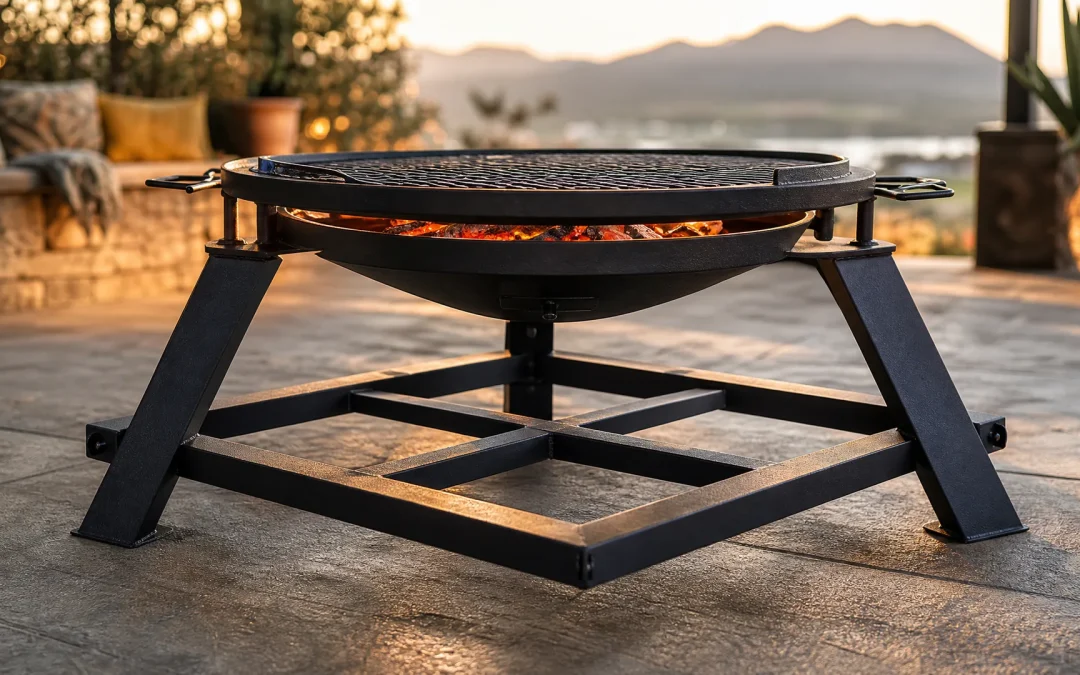
Finding a braai stand for sale in South Africa often means wading through generic marketplace listings with no real buying guidance and no technical detail. You deserve better than guessing whether a unit will hold your grill safely, or survive next winter’s storms without rusting through.
A quality stand is the functional foundation of your whole outdoor cooking setup, not an afterthought you grab because it was cheap. When you search for the right support system, you’re actually investing in safety, workflow, and the lifespan of the equipment you already spent good money on.
Why the Right Braai Stand Matters for Your Setup
Your braai stand decides how comfortably and safely you cook through those long weekend sessions when the fire’s hot and everyone’s hungry. A wobbly or poorly designed base turns a relaxing evening into a balancing act, and you end up watching the grates instead of the food.
Firehouse’s own view, built from years of curating stands, is simple: the footprint should always exceed the braai’s cooking surface area. That geometry between the cooking vessel and its support isn’t optional if you’re handling heavy cast iron or big cuts of meat over open flame.
Stability protects your investment in the braai itself. A fall can crack enamel, bend legs, or wreck internal gas components beyond repair. Treat the stand as a safety component, not decoration, and your expensive grill lasts decades instead of needing replacement after one bad night on the patio.
Steel Braai Stand South Africa: Material and Durability
Material choice decides whether your steel braai stand survives five years or five months, and where you live matters more than you’d think. The gap between marine-grade stainless and standard powder-coated mild steel is huge once salt air or highveld storms get involved.
Stainless Steel vs Powder-Coated Options
Stainless offers better corrosion resistance, but the grade varies a lot, so check the actual alloy before you buy for coastal use. Coastal homes need 304-grade stainless steel or a specialised marine coating; standard mild steel can corrode from salt exposure within months.
Powder-coated steel is still a solid choice inland, where salt spray isn’t a factor and upkeep is easier. Modern powder coating forms a thick, even barrier against moisture that beats old-style paint, though a scratch from moving the unit can expose bare metal if you’re not careful in transit.
Weather Resistance for Coastal and Highveld Climates
Your local climate sets the maintenance schedule, whichever material you land on. Highveld humidity and sudden summer storms call for drainage holes and covered storage, so water doesn’t pool inside tubular legs. Coastal air needs frequent rinsing to clear salt deposits before they start eating into even treated surfaces.
Knowing these pressures helps you pick a finish that matches how much upkeep you’re actually willing to do. Proper rust prevention and care stretches the life of any steel stand a long way, but no amount of maintenance fixes the wrong base material for your region.
Choosing a Portable Braai Stand for Small Patios
Urban living often means entertaining on a balcony or a compact patio, where every centimetre counts and a permanent structure just isn’t possible. A portable braai stand lets you wheel the cooking station out of the way when it’s not in use, so you get the floor space back for a dining table or normal foot traffic during the week.
This is where renters and apartment dwellers win: you get a proper grilling setup without touching masonry your landlord would never sign off on, and without leaving anything behind when you move.
Space-Saving Designs and Mobility
Look for folding mechanisms that cut the stored footprint by at least half, without needing tools or muscle to deploy. Wheels with locking brakes matter in small spaces: roll the unit against a wall to store it, then lock it firmly in place once you’re ready to cook.
A compact design shouldn’t cost you prep surface just to fold down smaller. The best braai stand for a small patio balances a tight collapsed size with real working space, so you’re not stuck balancing a plate on your lap because the maker chose portability over usability.
Weight Capacity and Stability Checks
Lightweight frames save space, but they carry risk if the maker skimped on cross-bracing or leg thickness to hit that low weight. Check the stated load rating against your grill’s actual weight, accessories included, since a rotisserie motor or cast iron grates add real mass once you’re cooking.
Push gently on the frame sideways before you load it with hot coals or a gas cylinder. If it flexes or rocks on uneven paving, it doesn’t have the rigidity for safe high-heat cooking in a tight space, and a tip-over there can mean real injury or damage.
Outdoor Braai Stand with Storage and Utility Features
Serious entertainers know an outdoor braai stand with storage turns a simple grilling spot into a proper outdoor kitchen. Built-in shelving keeps tongs, spices, and platters within arm’s reach, so you’re never turning your back on the fire to fetch something from inside.
That’s the difference between a casual weekend griller and a host who runs a dinner party that actually flows. Organise your tools and ingredients on dedicated surfaces and you spend less time hunting for things, more time with your guests, without losing control of the cook.
Integrated Shelving and Prep Space
Side tables and lower shelves should be heat-resistant, so they don’t warp or discolour sitting near radiant heat. Stainless steel or treated hardwood wipes clean after a marinade spill; plastic laminate tends to melt or stain for good once braai sauce and grease get on it.
Think about how much prep space you actually need, based on your usual menu and guest count. A stand with generous counter room lets you rest hot pots safely and plate up outside, cutting down on trips through the sliding door and keeping the whole evening in one spot.
Compatibility with Premium Braai Brands
Accessories and shelves need to line up with your specific grill model to be safe, and to look like they belong there rather than bolted on. A curated range from a reputable supplier means the bolt patterns match and the weight sits balanced, without the gaps or overhangs that plague generic universal fits.
Matching your stand to premium braai brands keeps your warranty intact and your performance where it should be. Generic add-ons look cheaper up front, but they often void the manufacturer’s warranty and cause trouble when parts don’t seat right or fail under heat.
Braai Stand vs Built-In Braai: Making the Right Choice
Choosing between a freestanding unit and permanent masonry means weighing upfront cost against future flexibility. A brick braai area locks you into one spot and a real bill; a good stand gives you full function immediately, at a fraction of the price.
Freestanding stands offer around 70% more flexibility for garden redesigns than fixed brick structures, according to industry comparisons of portable versus built-in outdoor kitchen setups, which makes them a better bet if you expect your layout to change. That matters if you’re planning to extend the patio, put in a pool, or just rearrange the outdoor furniture with the seasons, without hiring anyone to break down what’s already there.
Renters and new homeowners get the most out of starting with a premium stand while they figure out how they actually use the space. Exploring freestanding braai options lets you test different positions before you commit thousands of rand to something permanent you might regret.
The deeper comparison of portable versus built-in setups shows plenty of experienced braai masters end up preferring a movable unit even after owning a fixed one. A well-chosen stand can be your main setup for a flexible lifestyle, or a second station for big gatherings where more than one cooking zone keeps things moving.
Weber Braai Stand and Brand-Specific Compatibility
A stand built specifically for a model like the Weber outperforms a universal option, because it’s engineered around that unit’s exact weight distribution and centre of gravity. The mounting points and safety latches are built for that grill; a generic alternative can’t replicate that without modification, and improvising is where things go wrong.
The right branded stand locks your grill securely in place, so it doesn’t shift during lid operations or a gust of wind. That matters especially for kettle braais, where the bowl shape creates leverage forces a flat-top universal stand was never built to handle.
Matching Stands to Kettle and Gas Models
Gas braais need a stand rated for cylinder storage and gas line routing, which is a different job entirely from supporting a charcoal kettle. Check that your stand suits your fuel type and tank size. Force a mismatch and you get both a safety risk and a daily hassle every time you refill or adjust the settings.
Kettle braai stands often build in ash catchers and heat shields positioned for that model’s airflow. Those integrated features improve combustion and make cleanup easier in ways an aftermarket bolt-on just can’t match, which is what you’re paying the extra for.
Avoiding Generic Fitment Issues
A universal stand often leaves a gap between the grill body and the support frame, and that’s exactly where embers can drop onto decking or dry grass. The same mismatch concentrates stress on the wrong contact points, and that can bend a thin metal lip or crack a porcelain enamel finish that was never meant to bear structural load.
Forcing a badly fitted generic stand onto a premium grill risks voiding your warranty, and it creates a real tipping hazard for anyone standing nearby. Whatever you saved buying the cheap universal base disappears the moment your braai slides off it mid-cook.
Braai Stand Price South Africa and Value Assessment
Judging braai stand price in South Africa means looking past the sticker to check steel thickness, weld quality, and finish durability. A cheap unit built from thin-gauge tube with decorative welds might cost less today, but it’ll wobble, rust, or fail within two seasons of normal use.
Real value shows up when you work out the cost per year of reliable service, not the price on day one. Spend a bit more upfront for solid construction and the right material grade, and you save money over time by skipping the premature replacements and repairs that interrupt your entertaining plans.
A curated retailer offers real value through inventory picked to meet safety and durability standards, unlike an unverified marketplace listing where the specs are often vague or just wrong. Buy from people who understand local conditions and brand compatibility, and you can trust the stand to hold up through years of good food and good company.