
Weber Braai for Sale South Africa: Which Model to Buy
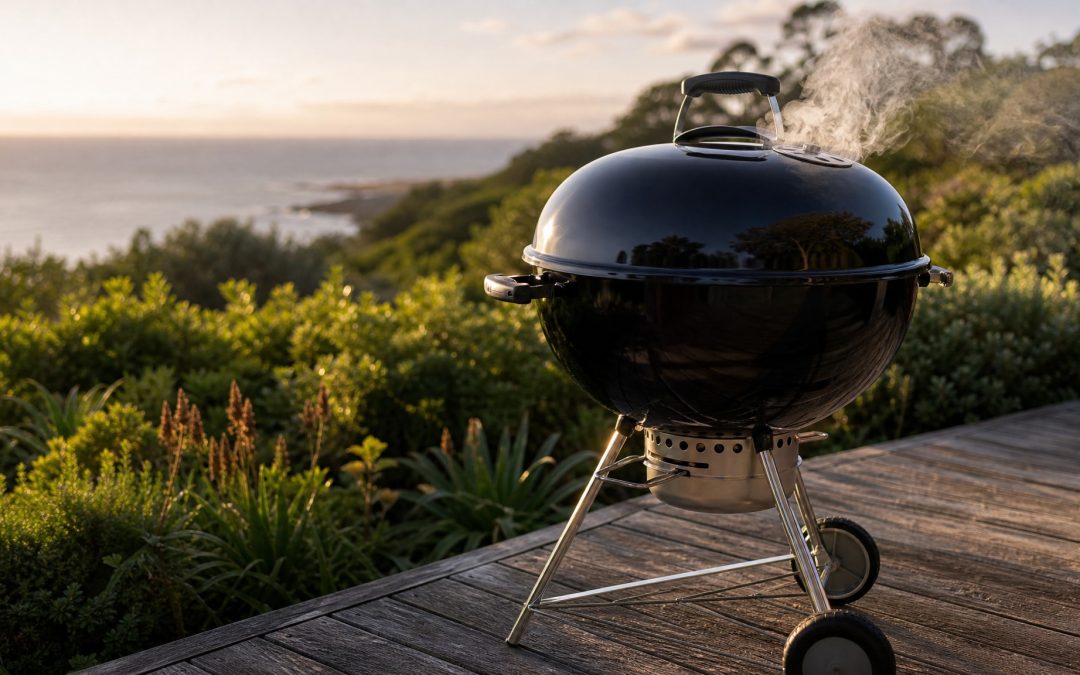
Finding the right Weber braai for sale in South Africa means wading through a market full of units that look identical but perform very differently once they’re outside in our conditions. You need equipment that handles intense sun, coastal humidity, and a high-heat entertaining culture without falling apart after one summer. Firehouse curates its Weber range based on hands-on testing in South African conditions, and we select only models that show up stronger on rust resistance and heat retention than what you’d find in a generic global catalogue. We filter out the generic imports and focus on units proven to deliver consistent results for serious local braaiers.
Why Weber Remains a Top Choice for South African Braaiers
Weber has held its reputation here because the engineering was built for outdoor cooking across variable climates. The porcelain-enamel coating on the premium bowls and lids resists peeling and rust even after exposure to salt air or frequent high-heat cycles. That’s why you still find twenty-year-old kettles working perfectly in backyards across the country. It matters because replacing a braai every few years costs more than buying quality once.
You want a unit that holds its temperature through wind gusts and the sudden drop in evening air. The lid seal and venting on a genuine Weber create a convection environment cheaper imitations can’t replicate, and that’s what gives you control over both direct searing and low-and-slow roasting. It’s the difference between a simple fire and a cooking instrument you can actually rely on.
Weber Kettle Braai Price in South Africa: What to Expect
Pricing swings a lot depending on whether you want a basic weekend unit or a full outdoor kitchen centrepiece. A standard compact kettle sits at the accessible end and handles casual gatherings just fine. Premium versions with advanced ash management and built-in thermometers cost more because of the extra manufacturing complexity and material grade. Knowing this gap upfront helps you avoid paying for features you’ll never touch, or underinvesting in a unit that frustrates you within months.
Entry-Level vs Premium Kettle Features
The real difference between standard and premium kettles usually comes down to integrated ash catchers and how thick the porcelain enamel is, and both directly affect cleanup time and how long the kettle lasts in coastal humidity. Entry-level models typically need manual ash removal through the bottom vents, which gets messy and leaves internal components exposed to moisture in storage. Premium versions include enclosed ash capture systems that keep your patio clean and protect the bowl’s interior from corrosive buildup between uses.
Lid thermometers are another feature that justifies the price step-up if you’re cooking beyond chops and boerewors. Without one, you’re guessing at internal temperature by lifting the lid, and every lift dumps heat and stretches out your cooking time. A built-in gauge lets you manage fuel precisely and get repeatable results on roasts and baked dishes.
Understanding Value Beyond the Sticker Price
Long-term value comes down to how often you cook and how well you keep up with maintenance over the years. Spending less upfront on a thinner-gauge steel model can look smart, until corrosion forces a replacement after three seasons of heavy use, and suddenly you’ve doubled your cost per year compared to buying a premium unit once. Our braai budgeting guide breaks these numbers down so you can match your spend to how you actually use a braai, not how you imagine you will.
Firehouse stocks specific kettle configurations chosen for local fuel types and entertaining habits, not every global SKU that exists. That means you get models tested with South African charcoal and wood, not units built for briquettes or indoor fireplace inserts sold elsewhere.
Weber Gas Braai Options for South African Entertaining
Gas braais typically reach cooking temperature within ten minutes, which is why they’re the go-to for weekday meals when charcoal prep time just isn’t practical. You get instant heat control that feels like cooking on an indoor stove, so you can do anything from breakfast eggs to late-night snacks without babysitting embers. That convenience doesn’t cost you quality, provided the unit has decent burner output and proper heat distribution plates.
Compact Gas Models for Urban Homes
Smaller patios and townhouse gardens need units that perform fully without eating up floor space. A two-burner setup gives you enough grate area for family meals and small gatherings while still fitting against a wall or into a tight entertainment corner. These models keep the same ignition reliability and corrosion-resistant materials as the bigger versions, so less square footage doesn’t mean a lesser build.
Storage gets easier too. Compact gas braais often come with folding side tables and a lower profile that tucks away neatly when you’re not using it, so weeknight dinners don’t cost you permanent outdoor living space.
High-Output Gas Braais for Large Gatherings
Hosting groups regularly means you need burner configurations that avoid hot spots and let you cook at different temperatures across the grate at once. Three or four-burner models give you distinct heat zones, so you can sear steaks while gently warming sides or toasting buns, without making guests wait in batches. Strong BTU output keeps recovery time short even as you load cold meat onto hot grates, which is what locks in the sear and the juices.
Corrosion resistance matters even more here, because bigger units are a bigger investment and often sit unused for longer stretches between braais. Stainless steel internals and enamel-coated exteriors hold up against the elements far better than painted alternatives, protecting that investment through repeated summers of heavy use.
Weber Braai Models Compared: Charcoal vs Gas vs Portable
Choosing between fuel types comes down to your own priorities around flavour, convenience, and how much time you actually have, not just the spec sheet. If you’re still weighing up the fundamentals, our gas braai vs charcoal braai comparison goes deeper into that decision. Each option is genuinely good at different things, so the right call depends on how you actually live and entertain, not on what the marketing copy tells you.
Flavour Profile and Cooking Style Differences
Charcoal gives you a smoky depth and traditional braai character that gas simply can’t match, and for purists chasing authentic flavour, that’s non-negotiable. Building and managing the fire becomes part of the evening’s entertainment, not just a chore before dinner. Gas trades some of that sensory richness for consistency and speed, which suits practical weeknight cooking.
Portable models split the difference: charcoal flavour in a format that travels to the beach, a campsite, or a friend’s place without a permanent braai setup. You give up some heat capacity and grate size for that mobility, which is why portables work best as a supplement to a home unit rather than a replacement for one.
Maintenance and Longevity Considerations
Charcoal units need regular ash removal and grate cleaning to stop corrosion and keep airflow working properly. Skip that, and wear speeds up fast, especially in humid air where leftover ash pulls in moisture and attacks the metal overnight. Gas braais need less frequent deep cleaning, but you still have to check burner tubes and grease trays periodically to avoid flare-ups and keep things safe.
How willing you are to do that upkeep should shape your fuel choice as much as taste does. Being honest about it now saves you the regret later, once the novelty wears off and the chores start piling up.
This isn’t the right setup for anyone hoping for a zero-maintenance appliance that performs no matter how it’s stored or treated. Every braai needs care in proportion to what it delivers, and skipping that care voids the warranty no matter how well-known the brand is.
Where to Buy Weber Braais in South Africa Safely
Authorised specialists offer warranty validation and assembly support that classifieds sites and mass retailers just can’t match. Buy from the wrong source and you risk a grey import with no local warranty, a refurbished unit sold as new, or a model missing safety components required under South African gas standards. Firehouse was founded in 2018 as a specialist retailer, and we offer post-purchase support and warranty facilitation that a generic marketplace has no way of providing on a premium braai investment.
You also get expert setup advice built around your actual space and how you actually cook. Mass retailers move boxes. Specialists make sure the box has the right product in it, and that you know how to run it safely from day one. That guidance is what stops you making costly mistakes, like placing a gas unit too close to a wall, or buying a charcoal model too small for the crowd you usually host.
If you’re weighing up alternatives beyond the standard Weber shapes, our freestanding braai options cover other premium setups worth a look alongside the traditional kettles and gas carts.
Essential Accessories That Extend Your Weber’s Lifespan
A fitted cover is probably the single most useful purchase you’ll make after the braai itself. South African UV degrades unprotected enamel and plastic fast, and a sudden afternoon storm adds the moisture that speeds up corrosion during storage. A good cover breathes enough to stop condensation building up, while still keeping out water and sun, so your braai keeps its looks and function through a hard season.
Cleaning kits matched to your specific model stop you damaging it with the wrong tools or chemicals. A wire brush meant for cast iron will strip a porcelain coating, and a gentle cleaner won’t touch carbonised grease on a stainless steel burner. Use the right accessories and you cut down on wear during maintenance, and keep your warranty intact.
Good storage habits matter just as much as the gear itself, especially near the coast, where salt spray works its way into gaps and speeds up deterioration. Our braai cover and storage tips cover climate-specific strategies to help your braai last, wherever you live.
Getting Expert Guidance Before You Commit
A personal conversation checks your model choice against your actual space, how often you entertain, and how much maintenance you’re really willing to do, before you spend a cent. Online spec sheets tell you what a braai can do in theory. An experienced advisor tells you what it will actually do in your backyard, with your lifestyle. That’s the conversation that closes the gap between expectation and reality.
Get in touch and talk it through rather than relying only on product pages and comparison charts. Every Firehouse team member has hands-on experience with the models we stock, and can point you toward a configuration based on how real South African customers, facing the same choices you are, actually use theirs.