
Braai Canopy for Sale South Africa: What to Look For
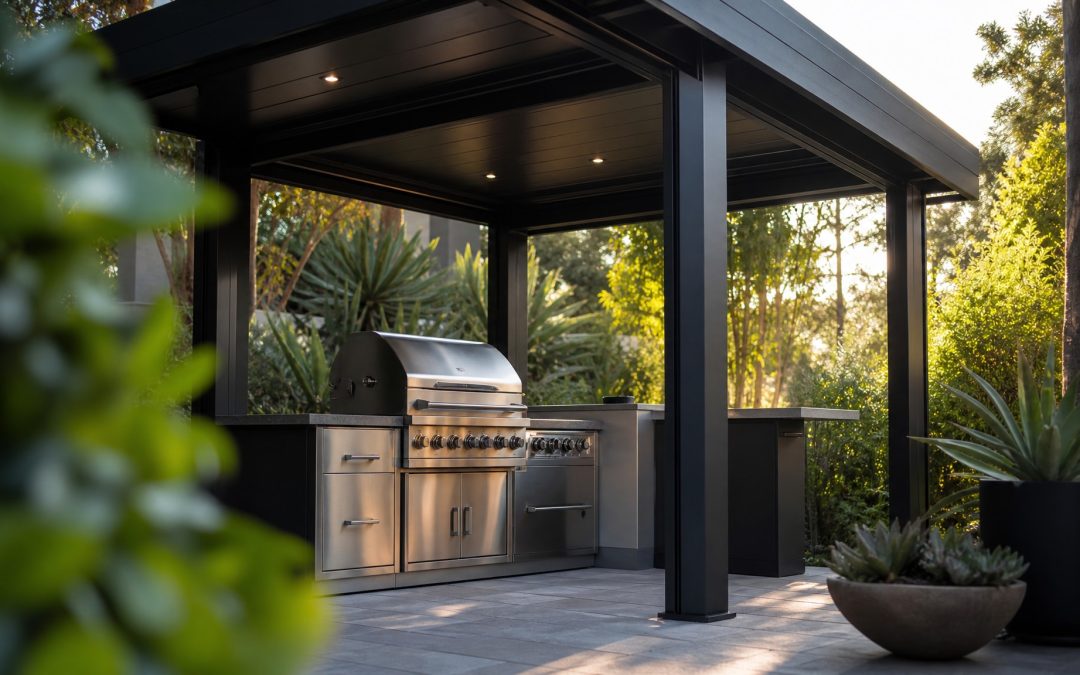
A premium braai setup deserves more than a flimsy fabric cover or an afterthought pergola. When you search for a braai canopy for sale in South Africa, you’re after permanent infrastructure that extends your entertaining season through Highveld thunderstorms and Cape winter rains. The right structure protects your investment from UV damage while giving you a defined outdoor room that works year-round.
This isn’t about basic shade. It’s about building a space where fire, food, and weather can coexist safely. Temporary solutions have their place, but a dedicated canopy turns a cooking station into a real extension of your home. Before you look at specific outdoor braai area cover ideas, understand that a true canopy is a structural commitment. It comes with real material and sizing decisions attached.
Why a Dedicated Braai Canopy Matters for SA Homes
South African weather demands more resilience than a standard patio umbrella can offer against sudden gusts or long stretches of sun. Your braai equipment is a serious financial outlay, and leaving it exposed to our climate wears down stainless steel surfaces, igniters, and powder-coated finishes faster than most manufacturers plan for.
A permanent weatherproof braai structure shields against the specific things that degrade an outdoor kitchen. UV radiation breaks down seals and fades finishes within months. Unexpected summer downpours can ruin prepared coals or damage gas components mid-cook.
Fabric covers only offer partial protection. They trap moisture against metal surfaces and often fail in the strong winds common to our region. A solid roof creates a dry zone that allows airflow without wetting the cooking surface, that’s what separates functional infrastructure from decoration.
Steel vs Thatch Braai Canopy: Choosing the Right Material
Choosing between steel and thatch means weighing fire safety against traditional looks, since each material behaves differently under South African conditions. Powder-coated steel canopies are increasingly preferred over thatch in coastal regions, thanks to better resistance to salt corrosion and lower fire risk from stray embers rising off an open flame.
Thatch has undeniable charm and good natural insulation, keeping the area beneath noticeably cooler in peak summer than uninsulated metal sheeting. But it’s an organic material. It needs regular treatment against fungal growth, and it carries a real combustion risk if your braai doesn’t have enough vertical clearance or spark arrestors.
Durability and Maintenance Requirements
Permanent braai structures typically need far less annual upkeep than fabric alternatives, provided they’re installed with UV-stable materials suited to local conditions. Steel frameworks with quality powder coating resist rust and fading for decades with little more than the odd wash, while thatch demands periodic re-thatching, pest control, and fire retardant treatment to stay safe and good-looking.
Factor these ongoing costs into your long-term budget, not just the purchase price. A steel structure might cost more upfront, but it cuts out the recurring expense and labour of maintaining organic roofing in our climate.
Aesthetic Fit for Modern vs Traditional Gardens
Your canopy’s look should complement your existing architecture and landscaping, not fight it. Sleek steel profiles with clean lines suit contemporary homes and minimalist gardens, tying in with modern outdoor furniture and built-in cabinetry.
Thatch remains the go-to for heritage properties, wine farm estates, and gardens with a rustic or indigenous feel, where steel or industrial materials would look out of place. Think about how the roof texture will photograph and age alongside your home’s exterior before you commit to either option.
Sizing Your Outdoor Braai Roof for Safety and Comfort
Getting the dimensions wrong compromises both safety and usability, which makes accurate measurement more important than looks when you’re planning a covered braai area. You need enough space to move freely around hot equipment without ducking or worrying about overhead hazards while you’re managing an active fire.
Check the fire safety requirements before you finalise any measurements. These standards exist because of real incidents and real engineering principles, not arbitrary caution.
Clearance Heights for Heat Management
The vertical distance between your cooking grate and the underside of the canopy decides whether heat dissipates safely or builds up dangerously above the flame zone. Wood-burning braais generally need more clearance than gas units, because open flames throw unpredictable sparks and higher radiant heat that can scorch or ignite whatever’s overhead.
Firehouse specialists point out that good ventilation design matters more than roof material alone for keeping smoke from building up in an enclosed braai area. Too little height traps heat at head level. That makes the space uncomfortable to cook in and can damage ceiling finishes no matter how fire-resistant they’re rated.
Overhang Dimensions for Weather Protection
Rain rarely falls straight down in a South African storm, so your roof needs to extend well past the braai footprint to keep the cooking zone dry when wind drives the rain sideways. Base your overhang on the prevailing wind direction and typical storm angles for your specific area rather than a generic rule that ignores local conditions.
Good lateral coverage also protects nearby seating and prep surfaces from splash-back and drifting ash while you’re cooking. Skimp on the overhang and you’ll end up relocating equipment or abandoning the fire right when shelter matters most.
Weatherproof Braai Structure Design Features
Keeping the rain out means nothing if smoke fills the space and chases guests indoors every time you light a fire. Good outdoor braai roof design balances weather exclusion with active airflow, because a sealed box becomes unusable the moment combustion starts.
The design has to solve both problems at once: keep water out, let smoke escape efficiently, and avoid downdrafts that push fumes back into the entertaining area. That takes deliberate engineering, not gaps left in the construction and hoped for the best.
Ventilation Strategies for Smoke Control
Fixed vents, adjustable louvres, or a raised ridge line create the pressure difference that draws smoke up and away from the space below. Position these openings correctly relative to wind patterns, and you keep rain out while maintaining the stack effect that clears smoke consistently as the fire burns hotter or cooler.
Avoid fully enclosing the sides unless you’re installing mechanical extraction built for solid fuel appliances. Natural ventilation relies on thermal buoyancy, and that fails when crosswinds overpower the intended airflow, or when the vents are placed against the prevailing breeze rather than with it.
Integrated Lighting and Heating Options
Overhead lighting turns an evening braai from guesswork into something you can actually see, so you can judge doneness and presentation properly. Plan the electrical conduits during initial fabrication rather than retrofitting later. Running cables through finished steel or thatch afterward compromises weatherproofing and creates a fire hazard.
Infrared heaters mounted to the canopy extend comfortable use into the cooler months without eating into your floor space. Make sure mounting points are rated for the heater’s weight and heat output, and check that the wiring meets outdoor electrical standards before you switch anything on.
Braai Canopy Installation Cost and Professional Fitment
Understanding braai canopy installation cost in South Africa means looking past the kit price to site preparation, foundation work, and compliance checks. Custom fabrication typically costs more than modular solutions, but it delivers exact fitment for awkward spaces or specific architectural integration that off-the-shelf products can’t match.
Professional installation ensures the structure holds up against wind loads and is properly anchored against the uplift forces a severe storm generates. DIY assembly saves on labour upfront, but it risks costly corrections down the line if the foundations turn out to be inadequate, or if council approval becomes a problem after non-compliant construction.
Electrical work for lighting and heating adds another layer that needs certified tradespeople who understand outdoor wet-area regulations. Budget for these specialist services upfront, rather than discovering mid-project that your wiring route breaks safety code or needs expensive rework.
Matching Your Canopy to Premium Braai Setups
Your canopy should enhance your cooking station, not dominate it visually or functionally. Scale matters a lot here: an oversized roof dwarfs a compact braai, while an undersized structure looks stingy above a substantial entertainment unit.
Good garden braai design planning treats the canopy as part of the whole entertaining space, not an isolated purchase. The structure frames what you do out there and shapes the sightlines from inside the house, so the proportions need to work from more than one angle.
Coordinating with Built-In Units
Permanent masonry or stainless steel braais need canopies that line up precisely with counter heights, storage zones, and service connections already built into the structure. Check your built-in braai selection specs before ordering canopy components, so clearance accounts for chimney flues, rotisserie motors, and hood mechanisms without anything getting in the way.
Matching materials between the braai cladding and canopy supports gives you visual cohesion, and it signals intentional design rather than a bolt-on addition. Match stone veneers, brick bonds, or metal finishes to tie the two elements together.
Complementing Freestanding Entertaining Areas
Mobile or semi-permanent braais do better with canopies that offer flexibility in positioning and can be reconfigured as your needs change. Look for adjustable footings or modular spans that handle different equipment layouts without a full rebuild when you upgrade or rearrange things.
Freestanding units often have no built-in weather protection of their own, which makes the canopy’s overhang and side screening even more important for comfort. Make sure the sheltered zone covers not just the braai but the prep space beside it, where you stage ingredients and tools while cooking.
Next Steps for Your Covered Braai Area Project
A braai canopy for sale in South Africa is a meaningful investment, and it deserves guidance suited to your specific site and how you actually entertain. Generic advice can’t account for your property’s wind patterns, soil stability, municipal rules, or the particular braai model you’re protecting.
Take an honest look at your current setup before you contact suppliers. Note the pain points, smoke drift, rain exposure, poor lighting, that the new structure needs to fix. Take measurements, photograph the existing conditions, and flag any underground services or overhead obstructions that could complicate the install.
Reach out to Firehouse for recommendations built around your braai configuration and how you live outdoors, rather than a one-size-fits-all answer. Our team understands where fire safety, weather performance, and good looks meet, and that’s what separates a successful install from an expensive disappointment.