
Built-In Braai for Sale South Africa: 2026 Buyer’s Guide
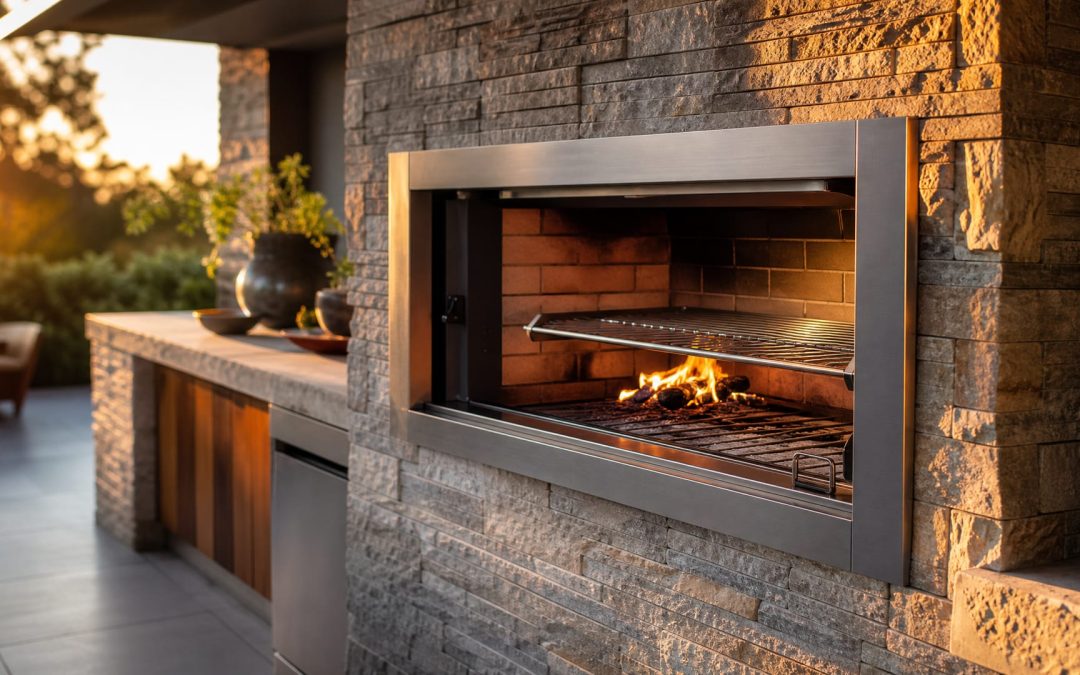
Finding the right built-in braai for sale in South Africa means looking past glossy photos to understand what actually arrives on your property. You’re not just buying a firebox. You’re investing in a permanent fixture that defines how your outdoor space works for years to come. The market runs from basic steel inserts to high-end modular systems, and telling them apart means knowing what you need before you commit. This guide cuts through the noise so you can compare units, materials, and real costs, and choose with confidence.
Understanding Built-In Braai Units in South Africa
A true built-in braai unit is nothing like a freestanding cart or a portable kettle. It’s a permanent architectural element, built into your masonry or outdoor kitchen structure. These units become the structural heart of your entertainment area, and that means planning placement, ventilation, and cladding before installation starts. When you browse a built-in braai for sale in South Africa, you’re usually looking at one of two things: a complete pre-assembled firebox ready for finishing, or a modular system that lets you configure things within your existing brickwork.
That distinction matters because it sets both your budget and your timeline. Freestanding braais give you flexibility, but they don’t offer the seamless integration or thermal mass of a permanent installation. If you’d rather take a DIY approach with more hands-on assembly, built-in braai kits sit somewhere between full custom masonry and pre-fabricated inserts. But for most homeowners after a premium finish without laying every brick themselves, a manufactured insert offers the best balance of performance and convenience.
We curate our built-in braai range based on hands-on testing of thermal efficiency and material resilience for South African conditions. A unit needs to perform on a windy Highveld evening just as well as it does during a humid coastal summer, so we build our recommendations around engineering, not just looks.
Brick vs Steel Built-In Braai: Material Comparison
Choosing between traditional brick and modern stainless steel is the single biggest decision you’ll make about performance and maintenance. Brick has timeless appeal, but steel inserts have evolved to solve a lot of the practical frustrations that come with older masonry designs, especially around cleaning and heat control.
Thermal retention and cooking performance
Brick construction is built around thermal mass. It absorbs heat slowly and radiates it evenly long after the flames die down, which is ideal for slow-roasting and baking, where steady ambient temperature matters more than raw searing power. Steel units respond faster to fuel adjustments and let you manage separate heat zones more precisely, so you get high heat for steaks and lower heat for vegetables on the same fire. Premium stainless steel inserts often come with integrated ash management systems that make cleanup easier than with traditional brick designs, which removes one of the biggest reasons people stop using their braai regularly.
Your cooking style should drive this choice, not just how it looks. If you mostly host big gatherings that need hours of steady roasting, brick’s thermal inertia serves you better. If you value quick start-up times and flexible zone cooking, a quality steel insert wins on day-to-day utility.
Durability in South African climates
South African weather is hard on materials: salt spray on the coast, intense UV inland, dry heat everywhere. Brick resists corrosion and UV degradation well, which makes it a safe default for exposed spots, though mortar joints can break down over decades without maintenance. Stainless steel holds up well too, as long as you pick the right grade. 304 stainless resists rust fine in most inland applications, while coastal properties need 316 marine-grade steel to stop pitting and surface corrosion.
Material choice shapes your long-term ownership experience directly. A cheaper steel unit might save you money upfront, but it can show weathering within a few seasons in a harsh environment. Choosing the right grade for your location prevents an early replacement and protects your property’s value.
Built-In Braai Price Expectations and Value Factors
Budgeting properly means understanding that the advertised price rarely reflects the final installed cost. The built-in braai price in South Africa moves a lot depending on size, material grade, and included accessories. Treat the base unit price as your total budget, and you’re setting yourself up for surprises mid-project.
Entry-level versus premium unit costs
Entry-level steel inserts usually cover smaller fireboxes suited to intimate patios, with basic functionality and none of the extras like integrated warming drawers or heavy-duty rotisserie brackets. Mid-range units give you a bigger cooking surface plus better insulation, improved airflow controls, and thicker gauge steel that handles higher sustained temperatures. Premium models earn their higher price through better engineering: double-walled construction for safety, precision dampers for smoke management, and compatibility with professional-grade accessories.
Think of pricing tiers as a measure of capability, not just luxury. A premium unit costs more because it solves problems cheaper units create, like uneven heating, hard-to-clean surfaces, or poor draft control. Our braai budgeting guide breaks down these numbers in more detail if you want to plan properly.
Hidden expenses in installation and finishing
The unit itself is only part of the equation. Professional installation, cladding materials, countertop fabrication, and gas line certification for hybrid models all add real cost that never shows up on the product tag. Electrical work for lighting or motorised spits needs certified professionals, and site prep, like reinforcing foundations or extending roofing, can push a budget up fast.
Always ask for a full quote covering labour and finishing materials before you commit to a unit. A seemingly cheap insert can turn expensive once you factor in custom metalwork or specialised masonry to fit it properly. Getting transparent costing upfront stops the project stalling later and keeps the finished braai matching what you actually wanted.
What Is Included in a Built-In Braai Purchase
Most post-purchase disappointment comes down to wrong assumptions about what’s in the box. Manufacturers disagree on what counts as standard versus optional, and assuming a unit arrives ready to cook can leave you scrambling before your planned event.
Standard firebox components and finishes
Most quality built-in braai units include the firebox, chimney connector, and basic grate supports as standard. Some manufacturers throw in an entry-level grid and ash pan; others sell the firebox as a bare shell and expect you to source cooking surfaces yourself. Finishes vary too. Powder-coated exteriors are common, but interior linings might be raw steel, refractory cement, or ceramic tile depending on the model tier.
Read the spec sheet properly before you order. Check whether the listed dimensions mean the cooking area or the external footprint, and confirm what ships in the box versus what you’ll need to buy separately. It takes minutes and saves you weeks of frustration.
Essential add-ons: grids, spits, and covers
Cooking grids, rotisserie spits, motors, and weather covers are often sold separately even with premium units, and mounting points and clearances are model-specific, so check compatibility before you buy any third-party accessory. We verify every unit we recommend for compatibility with standard South African spit motors and grid sizes before it goes on our site, so you can source spit and rotisserie kits that actually fit your firebox.
Weather protection deserves just as much attention. A fitted cover extends your braai’s life dramatically, especially near the coast or in high-rainfall areas, but generic covers rarely seal properly against driven rain or wind-blown dust. A manufacturer-approved cover made for your specific model protects your investment properly.
Not every built-in braai suits every household. Units built for heavy commercial-style entertaining can overwhelm a small courtyard, or run into local setback regulations.
Choosing Premium Finishes for Outdoor Entertaining
Finishes do two jobs: they set your aesthetic, and they decide how well the unit stands up to local weather. Picking the right finish is really a functional decision wearing a stylistic disguise, especially given how much South Africa’s climate varies by region.
Powder-coated steel holds its colour well and resists chipping on inland properties, with a wide range of shades to match your outdoor décor. Coastal buyers should go for marine-grade stainless steel or specialised marine coatings that resist salt-induced corrosion. You trade a smaller colour range for a much longer service life. Refractory linings inside the firebox protect the outer shell from thermal shock and improve heat radiation, which is worth the extra cost if you run hot fires often.
Your finish should match both your design vision and how much maintenance you’re willing to do. Matte black hides soot and fingerprints better than gloss finishes, and brushed stainless shows fewer scratches than mirror polish. Talk through your location and how you’ll actually use the braai with your supplier, so the finish you pick performs the way you expect.
Installation Considerations for Built-In Braai Units
Proper installation isn’t optional. It’s what keeps you safe, keeps performance where it should be, and keeps your warranty valid. Cut corners here and you risk fire hazards, poor draft that sends smoke back into your face, and a voided manufacturer guarantee that leaves you exposed if something goes wrong.
Built-in braai installations typically need a non-combustible base extending at least 300mm beyond the firebox perimeter for safety compliance. Ventilation requirements set the chimney height and diameter relative to the firebox opening, and poor draft is the single biggest cause of smoky, miserable braai sessions. Clearances from combustible walls, overhead structures, and neighbouring properties have to meet SANS standards, and a good installer knows these rules cold.
Hiring accredited installers who document their work protects your investment and your warranty claim later. Our safety requirements resource walks through baseline compliance expectations before you bring in contractors. If you need compatible spit motors or electrical integration, make sure your installer coordinates with qualified electricians so certification holds across every connected system.
Buyer’s Checklist Before You Order
Rushing into a purchase leads to costly corrections later. Take the time to check these essentials against your actual situation before you place an order.
Confirm your available space fits the unit’s external dimensions plus the clearances it needs on every side. Check fuel type compatibility against your existing infrastructure or planned supply lines. Find out which accessories ship standard, and budget for the ones that don’t, like grids, spits, and covers. Make sure your chosen finish suits your local climate and how much upkeep you’re willing to do. Confirm your installer holds the right certifications and gives you written warranty documentation. And talk to people who know built-in braai units in South Africa well enough to check your choice against how you actually entertain, not just how you imagine you will.
Contact Firehouse for recommendations built around your space, budget, and lifestyle. We know these products well, and we can help you dodge the common mistakes while finding the right centrepiece for your outdoor living area.