
Vent-Free Gas Fireplace South Africa: The Full Guide
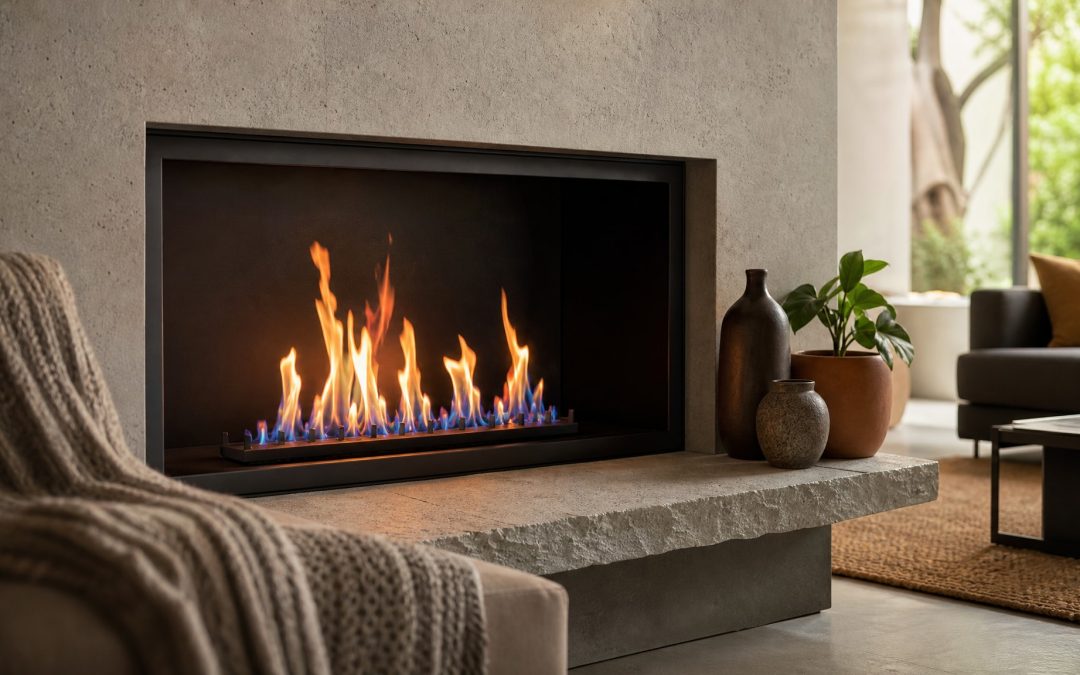
South African winters demand reliable heat, but not every home can take a chimney or flue. If you want real flame without ripping into walls, a vent-free gas fireplace is a practical fix. These units heat the room immediately and look modern, which matters in properties where building work is either impossible or just too expensive.
So can heating without external venting actually work for your home? This guide covers how these systems operate safely, where they sit legally under South African rules, and which models from brands like Chad-O-Chef and Infiniti Fires are worth your money.
How Vent-Free Gas Fireplaces Work Without a Chimney
A vent-free gas fireplace works differently to a wood or flued gas unit: it keeps all the heat it makes inside the room instead of losing it up a stack. The burner achieves close to complete combustion, so what comes off the flame is mostly water vapour and carbon dioxide, in quantities low enough to stay safe indoors. No external exhaust needed, and nothing wasted.
Understanding Flueless Combustion Technology
Flueless gas fireplaces rely on precision burners built to hit near-perfect air-to-fuel ratios. Get that mixture right and the flame burns clean and hot, with emissions that stay well inside safe indoor air quality limits for residential use.
The upshot: you get the full heat output into your living space, not watching a chunk of it vanish up a chimney. The trade-off is that moisture from combustion stays in the room too. That’s why getting the sizing and ventilation right matters so much when you plan the install.
Oxygen Depletion Sensors and Safety Standards
Safety is the question everyone asks about a gas fireplace with no chimney, and manufacturers answer it with mandatory monitoring. All vent-free gas fireplaces sold in South Africa must include an Oxygen Depletion Sensor (ODS) certified by the LP Gas Association of South Africa.
The sensor watches oxygen levels around the unit and shuts the gas off automatically if they drop below a safe threshold. Never disable or bypass it. It’s your main defence against incomplete combustion and carbon monoxide building up in a sealed room.
Flueless Gas Fireplace South Africa: Installation Rules and Room Sizing
Rules like these exist to protect you, and knowing them upfront saves you a costly compliance failure later. A flueless gas fireplace is legal for indoor use in South African homes only when it’s installed to specific room volume requirements and permanent ventilation standards, which vary with burner output and local municipal bylaws.
Legal Requirements for Indoor Installation
South African National Standards set minimum room volumes for vent-free appliances, to stop combustion byproducts building up dangerously over long runs. Your installer needs to check your space against these cubic metre thresholds before signing the compliance certificate your insurer and warranty will both want to see.
Permanent ventilation isn’t optional, whatever the room size. You’ll typically need fixed air vents that can’t be closed or blocked. These keep fresh air moving through the room, which supports clean combustion and keeps the air healthy to breathe through the whole heating season.
Calculating Heating Capacity for Your Space
Match the burner output to your room volume, or you’ll end up either under-heated or fighting condensation. Oversize a unit for a small room and humidity problems outrun your ventilation. Undersize it and you’re cold, tempted to run it flat out just to feel warm.
The Chad-O-Chef Hanging Fireplace heats areas up to 44m² or 144m³, which covers most standard living rooms and dining areas without a chimney in sight. Use that figure as your benchmark. Open-plan spaces may need more than one unit, or a higher-capacity model, to keep the whole zone comfortable.
Wall Mounted Gas Fireplace South Africa: Modern Design Solutions
Plenty of renovations stall the moment homeowners see what a traditional fireplace will cost in structural work. A wall mounted gas fireplace skips that problem entirely. You get real heat and a premium look without demolition, masonry, or a project that drags on for weeks.
Infiniti Fires Symphony and Picasso Models
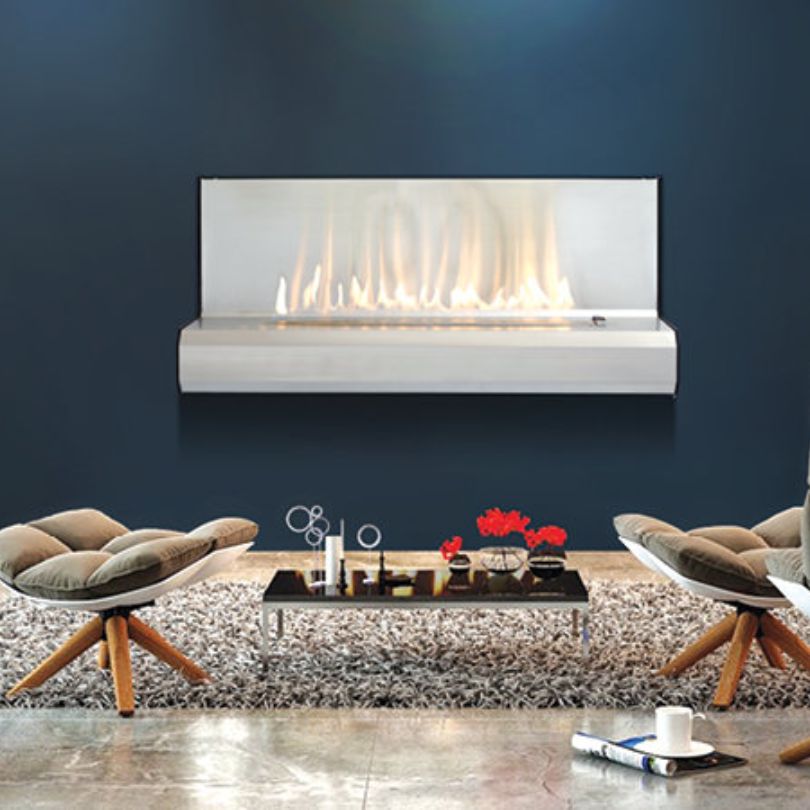
Infiniti Fires built its wall-mounted range for exactly this situation, where building work is unwanted or simply not possible. The Symphony and Picasso units bolt straight to the wall and connect to a gas line, with none of the mess a normal install brings.
The Symphony Wall Mounted Gas Fireplace has a brushed stainless steel rear wall that reflects the flames for a dramatic look, and still puts out genuine heat. The Picasso hangs at the height you’d hang a painting, so it reads as a design piece rather than just equipment on the wall, which suits anyone who cares about how the room looks as much as how warm it gets.
Space-Saving Benefits for Apartments and Renovations
Most apartments and townhouses won’t let you touch the structure, so a vent-free wall unit is often your only real gas option. These units take up no floor space at all. You need a secure mounting point and a gas connection, and that’s it, which matters in a smaller home.
Installation usually wraps up in hours, not days. No dust, no debris, no juggling contractors. You get warmth and ambiance running almost as soon as it’s delivered.
Chad-O-Chef Vent-Free Fireplace Range: From Drop-In to Statement Pieces
Chad-O-Chef leads the South African vent-free market because the range runs from entry-level units to genuine statement pieces, without cutting corners on safety or build. Whether you need basic heat for a modest lounge or a centrepiece for a big open-plan entertaining area, their lineup sits among the best gas fireplace brands sold here.
Versatile Heating with Drop-In and Hanging Units
Standard living areas usually suit a flexible form factor, one that works with your existing layout rather than demanding custom cabinetry. The Chad-O-Chef Hanging Fireplace mounts to the wall with minimal hardware, which makes it a good fit for apartments and smaller homes where floor space is tight.
Drop-in models slot into an existing fireplace cavity or a custom-built recess, turning an unused hearth into an efficient gas heater with no visible mechanics. Both formats handle spaces up to 44m², which covers most South African living areas with heat you can actually control.
Premium Aesthetics with Elegance and Contemporary Models
Larger homes often want a fireplace that acts as a design anchor, not an afterthought, and this is where Chad-O-Chef’s premium range earns its keep. The Elegance model pairs a neutral palette with textured finishes that sit well against high-end décor, and runs on newer burner technology for better efficiency and flame quality.
The Contemporary model pairs stainless steel with bold, modern lines, built to be the focal point in a room too big for anything subtle. Both sit in the ZAR 31,400 to ZAR 34,400 range, which reflects the materials, the larger heating capacity, and the finish work that sets them apart from more basic units.
High-Capacity Heating with the 1210 Flameline
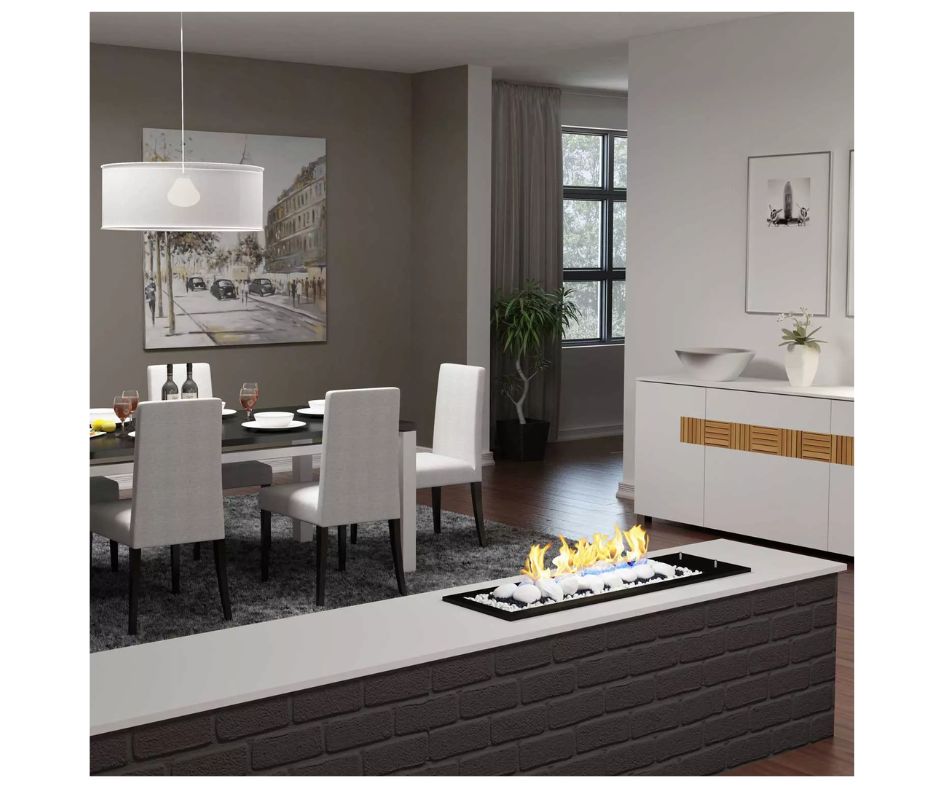
Open-plan entertaining areas are hard to heat because warmth spreads thin across a big volume with nothing to hold it in. The CHAD-O-CHEF 1210 FLAMELINE GAS FIREPLACE is built for exactly that, heating medium to large open spaces up to 489m³ with a minimalist stainless steel build that suits contemporary homes.
It comes in stainless steel or black mirror finishes, with a choice of fire glass colours, so you can match it to your own palette. Pricing runs around ZAR 18,000 to ZAR 21,500 depending on size and finish, which makes it a serious option if you entertain often and want consistent heat across a large zone.
Vent-Free vs Flued Units: Choosing the Right System
Choosing between vent-free and flued comes down to your property’s constraints, your tolerance for structural work, and what you actually want from the installation. Vent-free wins where speed, cost, and heat retention matter most. Flued systems suit open spaces where moisture control and unlimited runtime outrank upfront cost.
Flued fireplaces vent everything outside, so you can run them continuously with no ventilation worries or humidity buildup. The trade-off is heat loss up the flue, and chimney construction or twin-wall piping that can cost more than the fireplace itself in an older home.
Vent-free systems keep every bit of heat indoors, which makes them more efficient per unit of gas burned. The catch is mandatory ventilation and room size limits that cap how much burner output you can run, which rules them out for very small bedrooms or bathrooms even though they win almost everywhere else.
If you’re still choosing the right fireplace for your home, ask yourself what’s really driving the decision: budget, structure, or heating capacity. Vent-free solves the first two well. Flued wins when raw output and unlimited runtime matter more than cost and simplicity.
Budgeting for a Gas Fireplace No Chimney Setup
Budgeting for a fireplace goes beyond the sticker price. Factor in structural changes, compliance certification, and the gas you’ll actually burn. Knowing the full cost lets you compare vent-free fairly against traditional options that hide expenses in labour and materials.
Unit Pricing and Installation Considerations
Vent-free units run from around ZAR 13,700 for a basic hanging model up to over ZAR 34,000 for the premium statement pieces, with the difference coming down to capacity, materials, and finish. Installation cost barely moves across that range, since mounting and connecting to gas doesn’t change much from model to model.
Compare that to built-in fireplace costs for flued systems, where structural work often doubles or triples the total bill. Skip the chimney, the roof flashing, and the masonry repairs, and your vent-free install stays predictable, leaving room in the budget for a better unit or something else for the house.
Long-Term Efficiency and Running Costs
Every bit of heat a vent-free unit makes stays in your room. A flued system loses real energy up the exhaust. That difference shows up directly in your winter gas bill, which helps offset the extra you might pay upfront for a higher-spec vent-free model.
Maintenance stays light compared to wood-burning units; a yearly service is usually enough to keep things safe and your warranty intact. Fuel cost scales with how much you actually use it, and adjustable flame settings or a programmable thermostat on some models give you real control over that.
Expert Selection and Safe Operation Tips
Your safety, and how happy you are with the result, comes down to getting a qualified, registered gas installer who knows the local rules and the manufacturer’s specs. Only a registered installer can validate your warranty, issue the compliance certificate, and make sure the system runs within its designed safety limits from day one.
A yearly service keeps the burner calibrated, checks the ODS is working, and clears out anything affecting combustion efficiency. Skip it and you void the warranty, and performance drifts in ways the sensor alone won’t catch.
Good ventilation habits back up the mechanical safety systems. Crack a window or make sure the permanent vents stay clear, especially during long heating sessions in a tightly sealed modern home, where natural airflow alone may not be enough for clean combustion.
Frequently Asked Questions
Are there gas fireplaces that don’t need venting?
Yes, vent-free gas fireplaces operate safely without chimneys or external flues by using precision burners that achieve complete combustion. These units must include certified Oxygen Depletion Sensors and comply with South African room volume and ventilation regulations to ensure safe indoor operation.
What are the downsides of a ventless gas fireplace?
Vent-free fireplaces release moisture from combustion into the room, which can cause condensation if the unit is oversized or ventilation is inadequate. They also require permanent ventilation openings and have maximum room size restrictions that limit their use in very small spaces or bathrooms.
Where do the fumes go in a ventless gas fireplace?
Properly functioning vent-free units produce minimal fumes because complete combustion converts gas primarily into water vapour and carbon dioxide at safe levels. Any residual byproducts remain in the room, which is why mandatory ventilation and oxygen depletion sensors are required for safe operation.
How much does a vent-free gas fireplace cost?
Vent-free gas fireplaces in South Africa range from around ZAR 13,700 for basic hanging models to over ZAR 34,000 for premium statement pieces like the Chad-O-Chef Elegance. Installation costs are typically lower than flued alternatives because no chimney construction or structural modifications are required.