
Braai Maintenance and Cleaning Tips for Rust-Free Performance
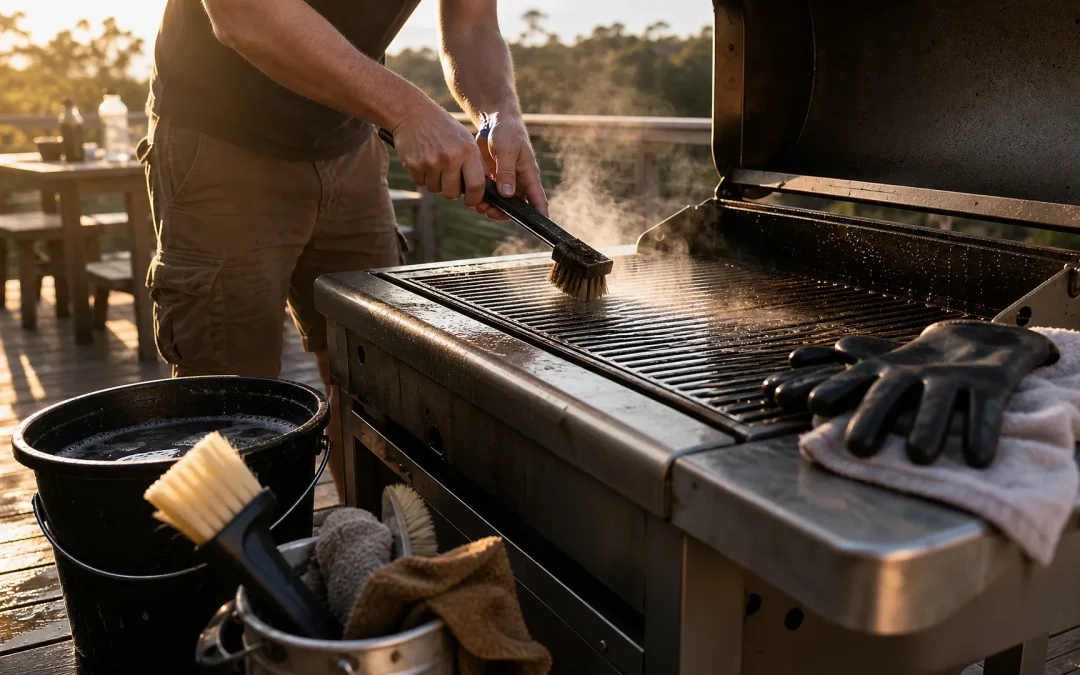
A good braai is one of life’s great pleasures, and for most South Africans, it’s far more than an appliance. It’s where stories get told, where families gather, where friendships are cemented over a cold one and a sizzling grid. That’s exactly why braai maintenance and cleaning tips deserve more than a quick wipe-down and a hope for the best. A braai that’s cared for properly can last decades. One that’s neglected can rust out in just a few seasons.
At Firehouse, we’ve seen both ends of that spectrum. The customers who get 10, 15, even 20 years out of their braais all share one thing: they built a simple, consistent care routine early. This guide gives you that routine, from the post-braai clean-up to seasonal checks and everything in between.
Why a Regular Braai Care Routine Makes All the Difference
A braai isn’t cheap, and for many South Africans, it’s the centrepiece of their outdoor entertaining space. Yet most braais age faster than they should simply because of inconsistent care.
Rust is the main enemy. Once it takes hold in a firebox, it spreads fast. Grease build-up attracts flare-ups and off-flavours. Neglected gas fittings become safety hazards. None of these are difficult problems to prevent, but they compound quickly when ignored.
The good news: a few minutes after each session and one or two deeper checks a year will keep almost any quality braai performing like new. That’s the whole philosophy behind this braai care guide.
How to Clean a Braai After Every Use
The single best habit you can build is cleaning your braai while it’s still warm, not the next morning, not next weekend. Residual heat makes grease and carbon far easier to remove.
Cleaning the Grates and Grids
Cast-iron grids benefit enormously from the burn-off and oil method. After cooking, let the braai run hot for 10–15 minutes. This carbonises leftover food residue, making it brittle and easy to brush off. Use a brass-bristle brush, not steel, which can scratch and strip seasoning from cast iron. Work across the grid while it’s warm, then wipe with a lightly oiled cloth once it cools.
This is the same technique pitmasters and braai competition regulars rely on to protect flavour and extend grid life. It works because heat and oil together form a non-stick, rust-resistant layer over time.
Porcelain-coated grids are more forgiving but still benefit from a warm brush-off. Avoid abrasive pads that can chip the coating.
Removing Ash and Grease Build-Up
Let ash cool completely before you empty it, hot ash in a bin is a fire risk. Once cool, empty the ash pan or firebox into a bag and dispose safely.
Grease traps and drip trays need attention every single session. Grease left sitting will go rancid, attract pests, and cause dangerous flare-ups. A quick wipe with a paper towel and a rinse with warm soapy water is all it takes. Don’t skip this step.
A deep clean, getting into the corners of the firebox, scrubbing the lid, and degreasing the grate holders, should happen every 8–10 uses, or roughly once a month during peak braai season.
Braai Rust Prevention: Protecting Your Investment Season to Season
Rust prevention is where most braai owners lose the battle, not from ignorance, but from inconsistency. South African climates vary dramatically, and both coastal and highveld conditions create their own challenges.
Covering and Storing Your Braai
Coastal homeowners, particularly in Cape Town and Durban, face an accelerated rust timeline. Salt-laden air is aggressive on exposed steel, and a braai left uncovered near the ocean can show surface rust within a single season without proper protection. The highveld brings a different threat: intense summer thunderstorms and humidity cycles that drive moisture into every seam and joint.
The solution is straightforward: cover your braai whenever it’s not in use. A quality, brand-specific cover fitted to your model makes a real difference over a generic tarpaulin. A good cover allows some ventilation (preventing condensation underneath) while keeping rain and salt air out.
For built-in braais, make sure the firebox and flue area are sealed or protected during periods of heavy rain. Standing water in a firebox is one of the fastest ways to accelerate rust from the inside out.
Treating Cast Iron and Steel Surfaces
Cast iron needs to be seasoned, that means wiping the surface with a thin layer of food-safe cooking oil (flaxseed, vegetable, or canola all work well) after cleaning. This oil layer polymerises over heat cycles and acts as a natural rust barrier.
For painted steel surfaces, inspect regularly for chips and bare spots. Heat-resistant spray paint rated above 600°C is an affordable way to touch up surface rust on a firebox before it penetrates deeper. Catching it early is the difference between a quick weekend fix and an expensive structural problem.
Maintaining Your Braai Through the Seasons
Autumn and Winter Prep
Autumn is the right time for a thorough deep clean, even if you plan to keep braaiing through winter (and most South Africans do). Work through the whole braai: scrub the firebox, inspect welds and painted surfaces for rust spots, and touch up any bare metal with heat-resistant paint before the winter rains arrive.
Check the condition of your cover and replace it if it’s cracking or has lost its water-resistance. A cover that lets in moisture is worse than none, because it traps humidity against the steel.
During winter downtime periods, re-oil cast-iron surfaces and store any removable grates and grids indoors if possible.
Spring Start-Up Check
Before your first proper spring braai session, run through a full inspection. For all braai types: check grates for heavy rust or warping, inspect welds and the firebox lining, and clean out any debris or nesting material that may have accumulated over winter.
For gas braais, this inspection is critical, see the gas-specific notes in the next section. For wood-fired braais, inspect the firebox floor and walls for cracks, and check that your ventilation vents open and close freely.
A few minutes in spring sets you up for a full season of hassle-free braaiing.
Gas Braai vs. Wood Braai: Maintenance Differences You Should Know
The core principles, keep it clean, keep moisture out, prevent rust, apply to both. But the specifics differ enough to pay attention to.
Gas braais require an annual inspection of burner ports, hoses, and regulators. Burner ports block up surprisingly often: spiders and insects are notorious for nesting in gas ports during winter downtime, which can cause uneven flames or dangerous blockages. Clear ports gently with a thin wire or a manufacturer-recommended tool. Check hoses for cracking or brittleness, and test the ignition before the season gets going. If a regulator is more than five years old and shows any signs of wear, replace it, gas fittings are not worth cutting corners on.
Wood and charcoal braais place more emphasis on ash management, grate seasoning, and firebox lining checks. The firebox lining in a quality cast-iron braai should be inspected for cracking annually. Heavy cracks compromise heat retention and structural integrity.
For a deeper look at which fuel type suits your lifestyle and how the day-to-day experience compares, the wood-fired vs. gas braai comparison covers it in full.
Long-Term Braai Care: When to Repair and When to Upgrade
Most braai problems are worth fixing. Surface rust, worn grates, a loose bolt, a cracked heat deflector, these are all normal maintenance items, not reasons to replace a braai. Quality spare grates and parts for most major brands are readily available, and a repaired braai with a solid firebox will outperform a budget replacement every time.
The signs that point to replacement rather than repair are more structural. Rust that has eaten through the walls of the firebox, not just the surface, but through the metal, can’t be painted over or patched meaningfully. A cracked cast-iron body (as opposed to surface crazing) compromises both safety and cooking performance. Persistent gas leaks that don’t resolve with a new hose or regulator warrant a serious look at the whole unit.
If you’re in that territory, it’s also worth thinking about what you actually want from your next braai. The right size, fuel type, and build quality matter enormously for long-term satisfaction. Choosing the right braai size for your garden is a good place to start, and if you’re working with a compact outdoor space, our guide to the best braai options for a smaller outdoor space is worth a read.
At Firehouse, every braai brand we stock comes with our own care guidance, because a premium braai that’s poorly maintained is a wasted investment. Whether you need a replacement grate, a quality cover, or advice on the right upgrade, our team is here to help you get the most out of every fire you light.