
Dovre Closed Combustion Fireplace Price South Africa 2026
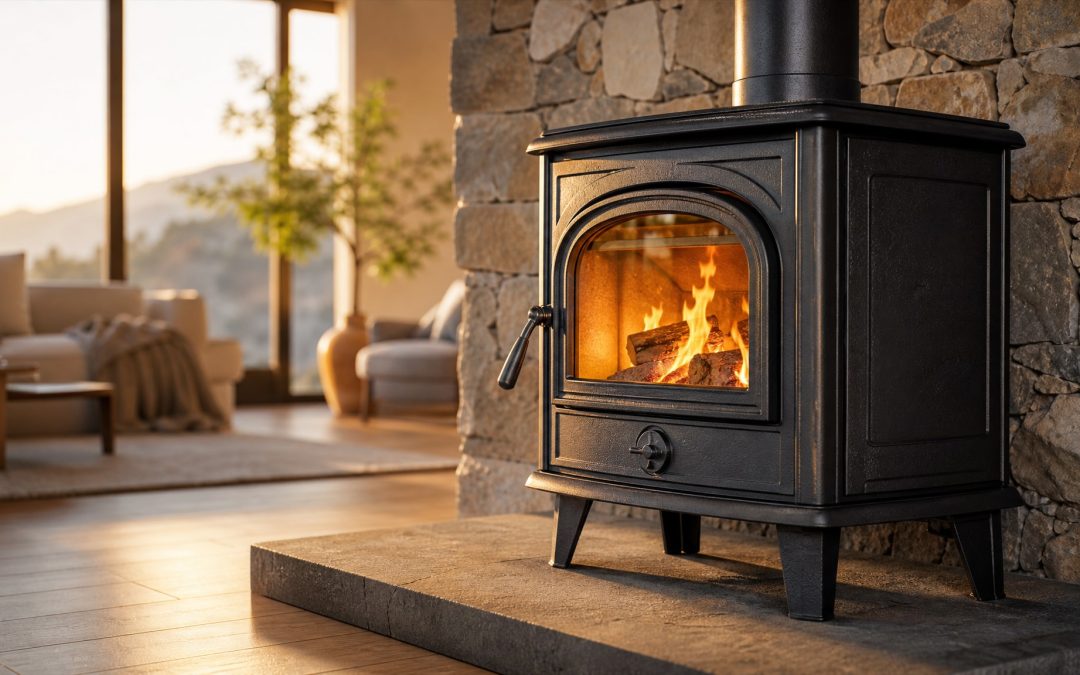
Finding the right Dovre closed combustion fireplace price in South Africa means looking past a single sticker figure. These Norwegian-engineered units are built from cast iron and designed for decades of service, which puts them in a premium bracket above standard steel stoves. You’re paying for heating efficiency and build quality that holds its value long after installation.
Prices shift with exchange rates and import cycles, so treat any published figure here as an indicative guide, not a fixed quote. The real cost depends on matching the model’s output to your room volume and accounting for whatever installation quirks your property throws up. This guide maps the current lineup against performance specs so you can shortlist the right unit before asking us for a proper assessment.
Current Dovre Closed Combustion Fireplace Prices
The Dovre range runs from compact freestanding stoves to substantial built-in units, and pricing tracks both the mass of cast iron used and how complex the combustion system is. Each model suits a different space, so comparing prices in isolation tells you less than weighing each one against your actual heating zone.
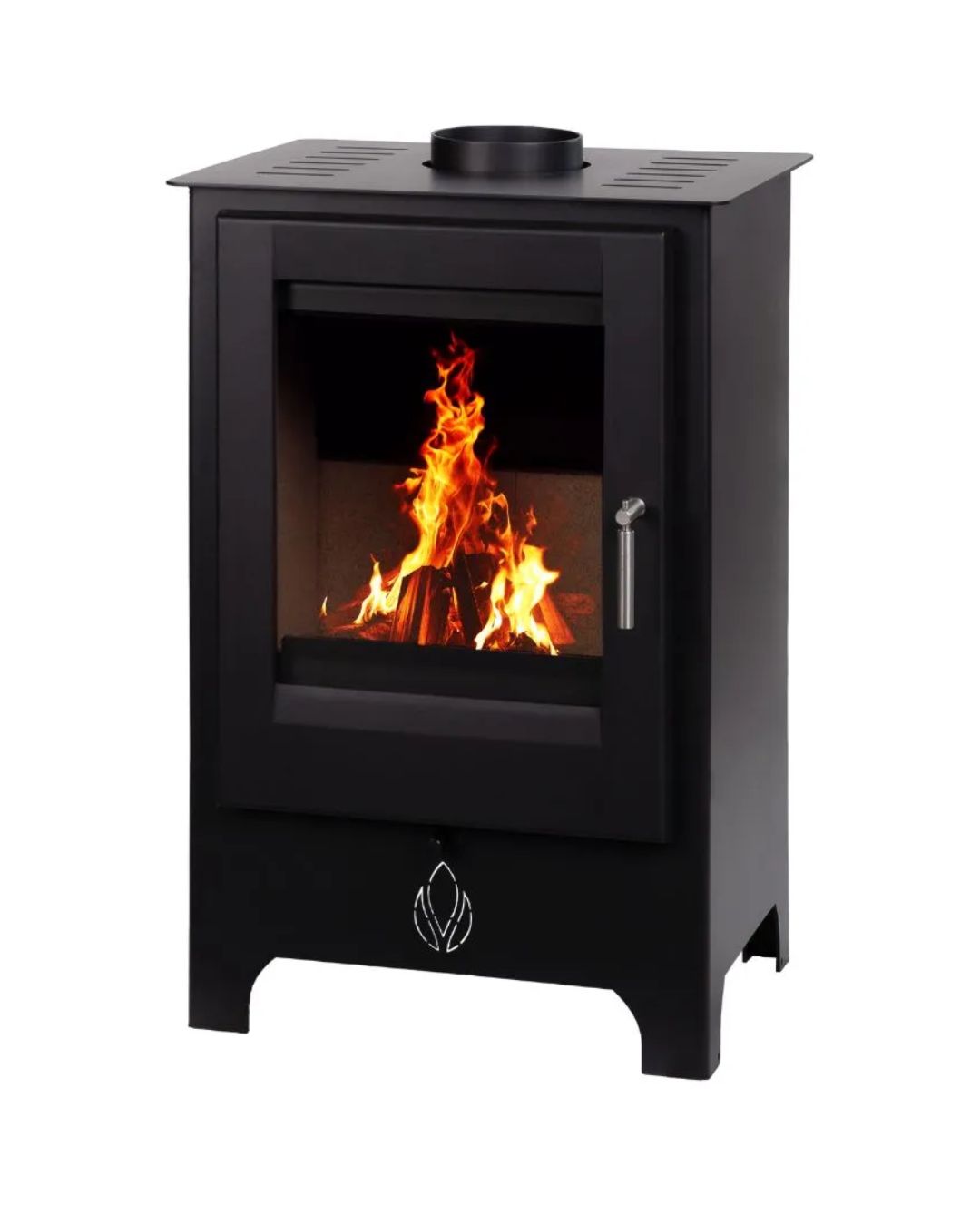
Freestanding Models: 325 CBS, Saga 107, and Rock 350
Freestanding units give you flexibility in placement and usually need less structural work to install. The Dovre 325 CBS Woodburning Closed Combustion Fireplace is the entry point into the premium range, with a nominal 5kW output, 81% efficiency, and enough reach to heat areas up to 140m³. It sits around ZAR 31,520, which buys you Dovre’s cast iron construction without giving up core thermal performance.
If you want panoramic flame visibility, the Dovre Saga 107 stands out with seven viewing windows and a 7kW nominal output. At around ZAR 36,810, it costs more than the 325 CBS, and the extra glass panels and more complex casting molds explain why. It heats the same 140m³ volume, but the fire becomes a centrepiece visible from multiple angles in open-plan layouts.
The Dovre Rock 350 takes a different approach, with a tablet base that lifts the firebox for better sightlines and adds usable surface area. Priced around ZAR 44,870, that reflects the extra material and design work in the base unit. Its 7kW nominal output covers up to 196m³, which makes it the stronger pick over the Saga once your space runs a bit larger.
Built-In and High-Output Options: 2100S and Tai55 WD
Built-in and high-output models ask for a bigger budget, mostly down to greater material density and the convection systems they need. The Dovre 2100S Built-In Fireplace starts around ZAR 41,780 for the unit alone, but that figure excludes the convection box and the flue components your specific site will need for safe operation. Firehouse recommends a site visit for built-in units like the 2100S, since flue pipe requirements and installation costs vary too much from property to property to pin down in a standard unit price.
The Dovre Tai55 WD delivers up to 13kW maximum performance, which puts it in a higher price tier than the compact units built for larger living spaces. At around ZAR 42,920, it offers serious value per kilowatt if your home needs real heat output across open-plan areas over 200m³. At 160kg, there’s a lot of cast iron in there absorbing and radiating heat long after the flames die down.
Matching kW Output to Your Heating Budget
Spending more only pays off if the extra kilowatts actually serve your space. Go too big and you’ll find yourself constantly damping the airflow, which causes incomplete combustion and soot on the glass. Go too small and the unit never reaches its ideal operating temperature. Your budget should track the cubic volume you need to heat, not the highest output on the shelf.
Compact Heating: 5kW to 7kW Units
Units in the 5kW to 7kW nominal range suit standard South African living rooms and enclosed entertainment areas up to 140m³. The 325 CBS, at 5kW nominal, gives you steady, manageable heat for insulated spaces where you want ambiance without overdoing the warmth. Step up to the 7kW Saga 107 or Rock 350 and you get coverage to 196m³ with the same efficient burn, giving you headroom for colder nights while staying controllable on milder ones.
This output band is the sweet spot between upfront cost and everyday usability for most suburban homes. You’re not paying for capacity you’ll never use, and your wood consumption stays proportional to actual need. For a deeper look at matching output to insulation and ceiling height, choosing the right fireplace fit walks through the spatial calculations that prevent expensive mismatches.
Large Space Solutions: 9kW to 13kW Performance
Open-plan living areas and double-volume spaces often need 9kW or more to stay comfortable through winter. The Tai55 WD’s 11kW nominal and 13kW maximum output is built for exactly that, moving enough heated air to kill cold zones in a big layout. The higher price starts to make sense once you weigh it against running two smaller units, or topping up with electric heaters that eat into the savings wood-burning is supposed to give you.
These larger units also carry more thermal mass, so they keep radiating heat for hours after you stop feeding them wood. That steady release smooths out the temperature swings you get in older, poorly insulated homes where heat escapes fast. Buying enough capacity upfront saves you the frustration of a gorgeous fireplace that never quite warms the room.
Understanding Closed Combustion Fireplace Costs Beyond the Unit
The advertised Dovre closed combustion fireplace price in South Africa covers the appliance, not the full installed system. Budget properly and factor in flue piping, labour, and any structural work your installation needs. Skip that step and the quotes that come in later will feel like sticker shock, so weigh it up before you compare models.
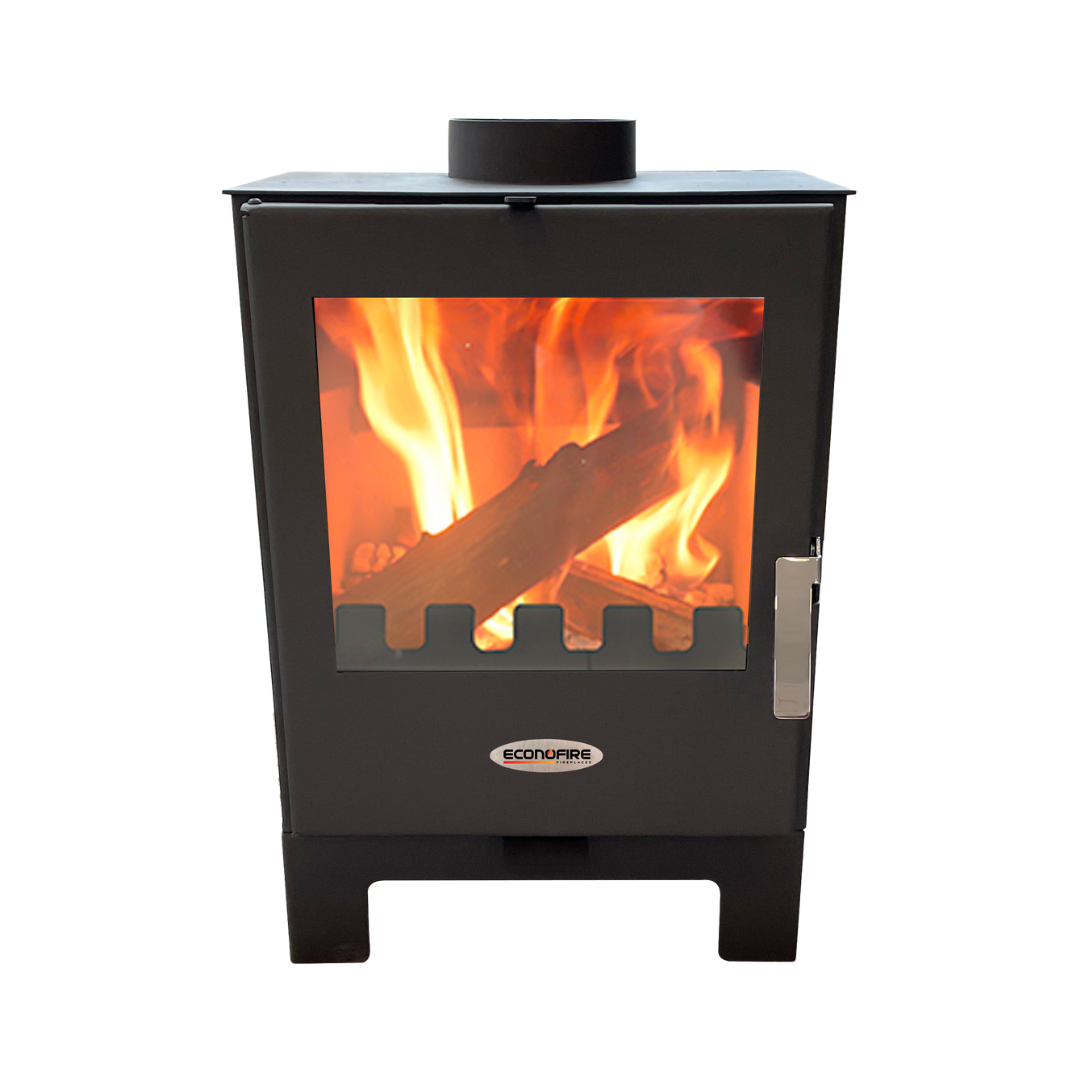
Installation Variables and Flue Requirements
Every installation throws up its own challenges that a standard price list can’t account for. Roof pitch, wall thickness, and distance to external air intakes all change the materials and labour hours needed to get it right. For built-in models especially, built-in fireplace installation costs swing a lot depending on whether an existing chimney can be lined or a new flue route has to be built through multiple floors.
Freestanding units are simpler in some ways, but they still need certified flue components matched to the stove’s outlet size. The Dovre Rock 350 uses a 150mm flue pipe outlet, and fitting the wrong diameter or non-compliant materials voids the warranty and creates a genuine safety hazard. Professional installers carry liability insurance and certification that protects your home insurance, which is why their fee is a real part of total ownership cost, not an optional extra.
Efficiency Ratings and Long-Term Wood Savings
Closed combustion technology hits 80 to 81% efficiency in models like the 325 CBS and Rock 350, meaning over four-fifths of the wood’s energy ends up as usable heat. A traditional open fireplace wastes most of that energy up the chimney, so you’d need far more fuel for comparable warmth.
Over five to ten years, the wood you save with a high-efficiency Dovre can offset a meaningful chunk of the price gap against cheaper alternatives. It also means less creosote building up in the flue, which lowers how often you need to service it and extends the life of its parts. You spend less on annual servicing and replacement parts, because the combustion process burns cleaner at the right temperatures. When you weigh up the cost, spread that premium over the years you’ll actually use the fireplace, rather than fixating on day-one spend.
Comparing Dovre Against Alternative Closed Combustion Brands
Dovre holds a specific spot in the market, built on cast iron construction and Scandinavian engineering heritage. Other brands sold locally offer different value propositions that might suit certain budgets or looks better. Knowing the difference helps you decide whether Dovre’s premium is worth it for your situation.
The Bronpi Boreal E1000S Closed Combustion Fireplace, priced around ZAR 42,900, competes directly with mid-range Dovre models on price, and its fan-assisted convection distributes heat faster. It suits buyers who want rapid warming over the slow-radiating thermal mass of cast iron. The Vitoria S Closed Combustion Fireplace, at around ZAR 14,995, is the entry point for buyers who want closed combustion benefits without Dovre’s material investment, though output and construction are simpler too.
Dovre’s edge is multi-generational durability and repairability. Cast iron sections can be swapped out individually instead of scrapping an entire welded steel body. That matters if you see the fireplace as a permanent fixture rather than something you’ll replace down the line. For a wider comparison across fuel types and installation styles, freestanding fireplace budgeting breaks down how brand positioning affects total cost of ownership.
Choosing the Right Dovre Model for Your Home
Picking a Dovre is about more than matching kilowatts to square metres. The unit has to fit your lifestyle and your interior as much as your heating sums. Think about how you’ll actually use the fire, not just what the spec sheet says.
Aesthetic Considerations: Modern Lines vs Traditional Cast Iron
The Tai55 WD has sober, contemporary lines that slot into minimalist interiors without dominating the room. Its clean geometry suits homeowners who want heating presence without ornate detailing fighting with modern furniture. The Saga 107 goes the other way: seven windows and curved castings bring a traditional, hand-built feel, creating a warm focal point in heritage or rustic settings where character matters as much as heat.
Let your existing décor guide the decision as much as the specs do. A sleek stove looks out of place in a Victorian cottage, and an ornate cast iron piece feels wrong in a concrete-and-glass pavilion. Dovre’s range spans both extremes because no single look suits every South African home.
Functional Features: Ash Trays, Side Windows, and Tablet Bases
The small details are what you’ll notice daily, long after the excitement of installation wears off. The 325 CBS comes with an integrated ash tray and detachable handle, which makes cleanup routine rather than a chore. The Saga 107’s side windows turn peripheral glances into an active flame display, rewarding seating angled to the side rather than facing it head-on.
The Rock 350’s tablet base gives you somewhere to rest a drink or a kindling basket, so you don’t need separate hearth accessories. None of this shows up in a kilowatt rating, but it shapes how naturally the fireplace fits into your evenings. Weight matters too: the 100kg 325 CBS is easier to move during a renovation than the 160kg Tai55 WD, which is worth knowing if your layout might change later.
Securing Accurate Quotes from Authorized Dealers
Online pricing guides are a useful starting point, but only a proper assessment gives you figures you can actually budget against. Your roof structure, wall composition and ventilation conditions all create variables a generic calculator can’t resolve.
Firehouse runs site evaluations specifically to capture those details before quoting a final cost. That way you don’t end up budgeting on unit price alone and getting hit with surprise expenses halfway through the project. Expert-led selection means the model you choose matches both your heating needs and your budget, without guesswork.
Send us your floor plans and a shortlist of models you’re considering, and we’ll move things along from there. We’ll confirm stock availability, talk through installation timelines, and give you a binding quote based on your property’s actual conditions, not an industry average.
Frequently Asked Questions About Dovre Pricing
Published prices here are indicative for 2026 and remain subject to currency swings and supplier adjustments through the year. Always ask us to confirm current pricing before you finalise a renovation budget or place an order, since imported goods carry real volatility. We provide real-time pricing tied to confirmed stock, not estimated ranges.
Financing depends on your individual credit assessment and our current lending partnerships rather than a fixed store policy. Get in touch to talk through payment structures for your specific purchase amount and timeline. We work with established financial providers who know home improvement finance, so we can help set up manageable repayment terms if you qualify.