
Outdoor Fireplace for Sale South Africa: Buyer’s Guide
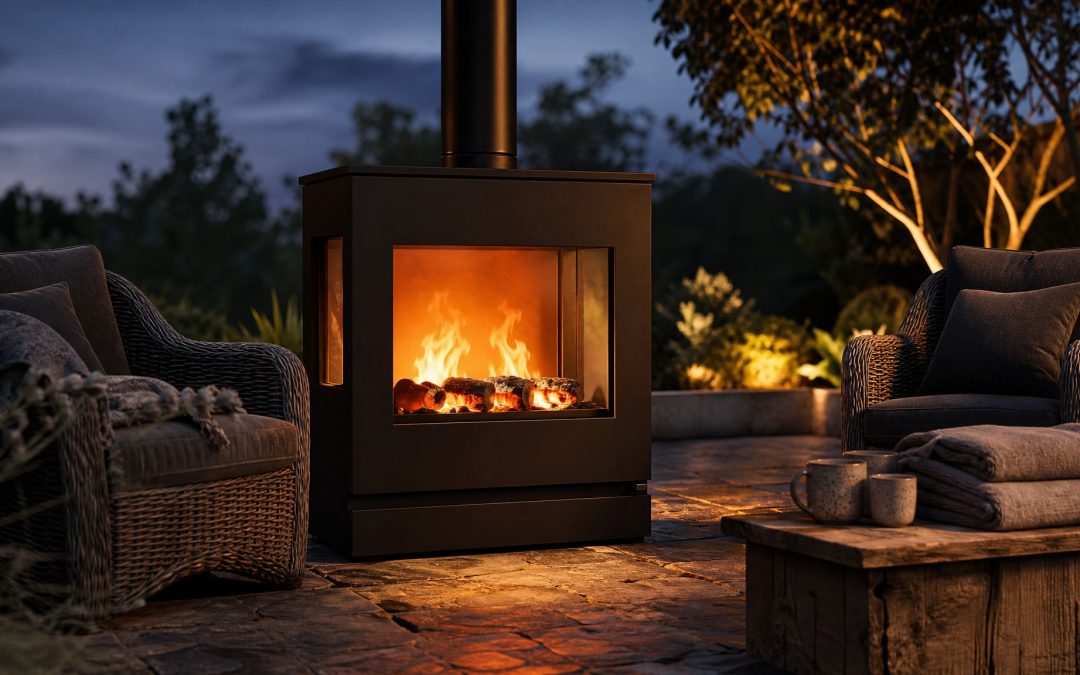
South African evenings have a way of turning chilly just as the braai coals reach their peak, sending guests reaching for jackets or drifting back indoors. A dedicated outdoor fireplace changes that. It throws steady, radiant warmth that keeps your entertainment area usable long after sunset. Unlike a cooking fire, these units are built for comfort and ambiance, so you can keep a gathering going without the smoke or unpredictability of an open flame.
Finding the right outdoor fireplace for sale in South Africa means looking past basic heating and thinking about how the unit fits your patio and the way you actually entertain. Firehouse picks its outdoor fireplace range with South African entertaining and weather in mind, so every freestanding unit on the list earns its place. This guide walks you through the models and the practical details that separate a real outdoor living feature from a garden ornament.
Why Choose a Freestanding Outdoor Fireplace Over a Built-In Braai
A built-in braai feeds people. A freestanding outdoor fireplace keeps them outside once they’ve eaten and want to linger. Your braai is essential for cooking, but it rarely throws comfortable heat once the flames die down. A closed combustion unit keeps radiating warmth for hours, without constant tending and without the eye-watering smoke.
Flexibility for Seasonal Entertaining
You can put a freestanding unit exactly where your guests naturally gather, instead of forcing everyone to huddle around a fixed cooking station. That mobility lets you shrink the space for winter intimacy or open it up for summer airflow. The fireplace becomes a focal point that moves with the seasons and with however you’re entertaining that night.
Heat Retention vs. Open Flames
Open fires lose most of their heat straight up into the night sky, and they leave you exposed to wind and ash. Closed combustion systems trap that thermal energy in a sealed chamber and release it slowly, through convection and radiation. You end up with far more usable warmth from every log you burn.
Top Freestanding Outdoor Fireplace Models Available Now
Picking a model is about matching heat output to the character of your home. The Wiking AM1402 and Wiking T1204 cast iron fireplaces are built to hold their heat for long periods, which is exactly what you want when a gathering runs late into the night.
Wiking Cast Iron Range for Rustic Durability
Cast iron is still the gold standard for outdoor heating. Its density soaks up thermal energy and releases it slowly, even once the fire has burned low. Both the Wiking AM1402 (around ZAR 20,990) and the Wiking T1204 (around ZAR 20,370) are multi-fuel, and both suit a classic or rustic-themed patio.
Each comes with a riddling grate and ash pan, which keeps maintenance simple despite the heavy-duty build. That matters if you host often: less downtime between evenings.
Modern Minimalism with Northern Flame Kenna 65
Contemporary patios usually call for cleaner lines than cast iron offers. The Northern Flame Kenna 65 is a minimalist insert with a large Schott Robax glass window, and the door hinge reverses, so it can open from either side depending on your layout.
An opaque black border frames the glass, a designer touch that sits well against sleek outdoor furniture or architectural concrete. The insert is built for efficient burning while keeping the flames fully visible, which is the whole point of a modern design like this.
High-Output Multi-Fuel Options from Home Fires
Some covered entertainment areas need serious heat to fight off the chill of open sides. The Home Fires R0801 (around ZAR 18,840) is built from precision-welded thick steel with thermo-refractory fire brick linings, and it burns wood logs or anthracite.
That matters because anthracite burns hotter and longer than wood, which gives you a reliable fuel option during wet winters when dry timber runs short. The large firebox also takes bigger logs, so you’re not refuelling every half hour during a long evening.
Patio Fireplace Design Ideas for South African Gardens
Fitting a fireplace into your garden is as much about sightlines and traffic flow as it is about heat. A well-placed unit should anchor your seating without blocking the path between kitchen, braai area, and pool deck.
Integrating Closed Combustion Units into Covered Patios
A roof protects your investment from rain, but it also raises ventilation questions an open garden never has to answer. Flue clearance and a non-combustible flooring base matter under cover, so it’s worth reading our outdoor braai area cover ideas before you settle on placement.
The Henley Elmwood, around ZAR 23,995 with a 6.5kW output, works well in these semi-enclosed spaces. It’s Eco Design Ready, which means a lower emissions profile, and the matt black finish with its Victorian-inspired styling reads as a proper lounge feature rather than something purely functional.
Complementing Your Existing Braai Setup
Your fireplace should sit alongside your cooking setup, not compete with it. Our braai and patio heater combo ideas are worth a look if you want separate zones for cooking and for sitting around afterward.
Keep the fireplace away from the braai and you avoid smoke drifting into the seating area, plus guests get somewhere comfortable to wait while food cooks. It also keeps grease splatter and the braai’s direct heat away from your fireplace’s finish.
Understanding Fuel Types and Efficiency for Outdoor Use
Multi-fuel capability is what turns an outdoor fireplace from a fair-weather extra into something you use year-round. Switching between wood and anthracite gives you control over burn rate and heat that a single-fuel unit can’t match.
Closed combustion also handles ash better than an open brazier, since the sealed chamber contains the debris and directs airflow precisely. The Bronpi Boreal E1000S, priced around ZAR 42,900, adds fan-assisted convection on top of that, pushing heated air out into the room rather than letting it just rise. According to the manufacturer, it’s built to heat rooms up to roughly 325 (unit specification cut off in source), so it’s one to check if you’ve got a larger semi-open space to warm.
That active push makes a real difference on still winter nights, when natural convection barely moves the air. Warm-up is faster and the heat spreads more evenly, which counts when you’re trying to keep a dozen people comfortable at once.
Anthracite burns with less visible flame but gives off sustained heat that outlasts a wood fire by hours. For the tail end of the evening, when conversation matters more than watching the flames, that’s the fuel that keeps things going without another trip to the wood store.
Installation and Safety Considerations for Outdoor Units
Professional installation isn’t optional if you want to keep your warranty and stay on the right side of safety standards. A certified installer knows the local rules on flue heights, clearance from combustible material, and structural support, and those rules shift between municipalities.
The non-combustible flooring base needs to extend past the unit’s own footprint, to catch stray embers and protect whatever’s underneath from radiant heat. Under a roof, a double-wall insulated flue stops heat building up in the ceiling cavity, which is where a slow fire risk can start.
Ventilation matters more in enclosed entertainment areas than people expect, because poor airflow lets carbon monoxide build up. Don’t assume open sides are enough ventilation on their own. Get it checked properly, so your new fireplace stays a feature and not a hazard.
Budgeting for Premium Outdoor Heating Solutions
What you pay for an outdoor fireplace tracks material quality, manufacturing precision and the engineering behind the heat, not just size. A cheaper steel unit might look like a saving upfront, but it usually can’t match the longevity or heat retention of cast iron or a well-built multi-fuel system.
Our freestanding fireplace pricing guide breaks down what drives cost at each price point. Spending more on better construction tends to pay off over years of use and better fuel economy.
It’s worth thinking about total cost, not just the sticker price: fuel use, upkeep, and how long the unit lasts. A fireplace that burns noticeably less wood each year earns back the difference in a few seasons.
Maintaining Your Outdoor Fireplace Year-Round
South African weather swings between coastal humidity and Highveld storms, so an outdoor fireplace needs looking after. A good fitted cover, used whenever the fireplace isn’t burning, keeps moisture out and stops rust from setting into the internal parts.
Ash should come out regularly. Leave it sitting and it draws moisture, which speeds up corrosion in steel and cast iron alike. Empty the ash pan after every real burn, and check the door seals now and then to make sure they’re still airtight.
If you’re near the coast, salt spray attacks metal finishes fast. Rinse the outside with fresh water once a month and use whatever protective treatment the manufacturer recommends.
A professional service, done once a year before winter, catches wear in the hinges and air controls before it turns into a real problem. That one check is usually what stands between a fireplace that works the night you need it and one that doesn’t.
Frequently Asked Questions
Can I install a closed combustion fireplace myself on my covered patio?
Self-installation voids most manufacturer warranties and risks non-compliance with local building regulations regarding flue clearances and ventilation. Professional installers carry certification that validates your insurance coverage and ensures safe operation in semi-enclosed spaces. Always use accredited technicians familiar with outdoor fireplace specifications.
How do I choose between wood-only and multi-fuel outdoor fireplaces?
Multi-fuel units offer flexibility to burn anthracite during wet weather or when you need sustained overnight heat without frequent reloading. Wood-only models typically cost less and suit users who prioritize flame aesthetics over fuel versatility. Consider your local fuel availability and whether you entertain year-round or seasonally.
What clearance distance is required between an outdoor fireplace and patio roofing?
Minimum clearance depends on flue type, ceiling material, and manufacturer specifications rather than a universal standard. Double-wall insulated flues generally allow reduced distances compared to single-wall installations. Your installer must calculate exact requirements based on your specific structure and chosen fireplace model.
Do outdoor fireplaces work effectively in windy coastal conditions?
Closed combustion units perform well in wind because their sealed chambers prevent gusts from disrupting combustion or blowing ash onto guests. Positioning the unit behind partial windbreaks further improves thermal comfort without compromising ventilation safety. Open braziers struggle significantly in exposed coastal locations by comparison.